Calf stretches target the gastrocnemius and soleus muscles in your lower legs, helping improve flexibility, prevent injuries, and ease discomfort from walking, running, or standing all day.
Tight calves don’t just affect your feet – they create a chain reaction that impacts your ankles, knees, and even your lower back. When your calves are tight, they limit dorsiflexion (the ability to bring your toes toward your shin), a movement essential for squats, lunges, and comfortable walking. This restricted mobility forces your knees and hips to compensate, often leading to pain in unexpected areas.
The calf stretches in this guide are among the most recommended exercises by physical therapists for conditions like plantar fasciitis, Achilles tendonitis, and stretches for shin splints. By retraining your calf muscles to lengthen properly, you’re protecting your entire lower body chain. Regular practice also enhances performance in exercises like jump squats, burpees, and reverse lunges. Whether you’re a runner, a desk worker, or simply someone who wants to move without discomfort, these calf stretches are your starting point.
✅ Enhances Flexibility – Loosens tight calves for better mobility.
✅ Reduces Muscle Soreness – Relieves stiffness after workouts or long periods on your feet.
✅ Improves Athletic Performance – Better calf flexibility means more power in jumps and sprints.
✅ Prevents Injuries – Stretching reduces the risk of strains and Achilles tendon issues.
✅ Promotes Relaxation – Helps release tension after a long day.
✅ Supports Ankle Health – Improves dorsiflexion, a critical movement for balance and stability during single leg RDL and reverse lunges.
✅ Alleviates Heel Pain – Tight calves are a primary contributor to plantar fasciitis; releasing them reduces morning foot pain.
✅ Protects the Achilles Tendon – Regular stretching keeps the tendon supple and resilient, preventing injuries common in kettlebell workouts and running.
✅ Improves Posture – Tight calves alter your gait, pulling on your posterior chain; releasing them helps you stand taller.
✅ Enhances Circulation – Stretching promotes blood flow, reducing swelling and fatigue in the lower legs.
The calf muscles consist of two primary muscles that work together to support movement:
| Muscle | Location | Function |
|---|---|---|
| Gastrocnemius | Superficial, two-headed muscle at the back of the lower leg | Plantar flexes the ankle; crosses the knee joint—tightness here affects knee extension |
| Soleus | Deep to the gastrocnemius, runs from below the knee to the heel | Plantar flexes the ankle; does not cross the knee—requires a bent knee to stretch effectively |
| Achilles Tendon | Connects both calf muscles to the heel bone | Transmits force for walking, running, and jumping; prone to injury when tight |
When your calves are tight, they limit ankle mobility and force your knees and hips to overcompensate during movements like squats, reverse lunges, and even walking. This is why calf stretches are essential for anyone performing leg workouts, bodyweight exercises, or hips exercises.

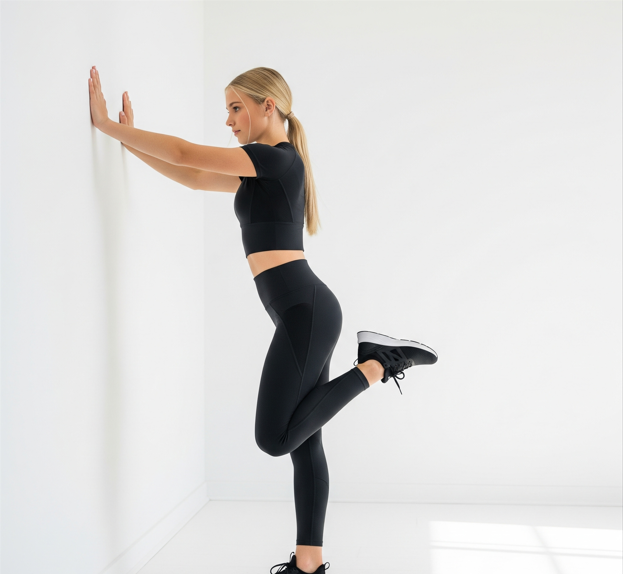
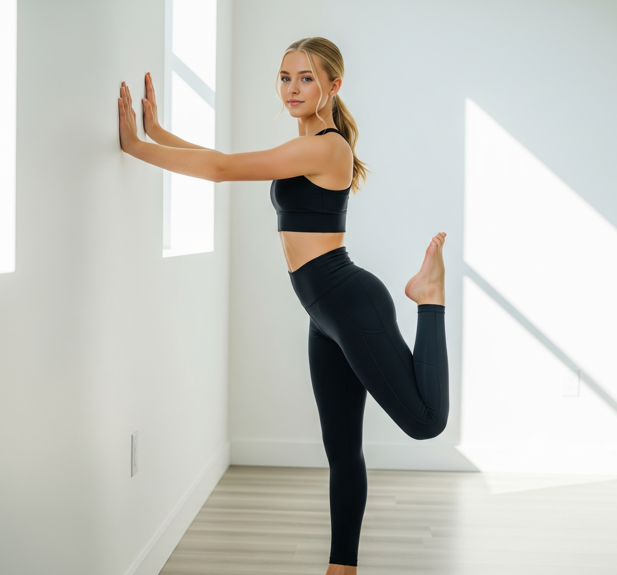
The classic stretch for immediate relief! Ideal for runners, dancers, or anyone who spends hours on their feet. Lean into a wall to gradually increase flexibility and prevent stiffness.
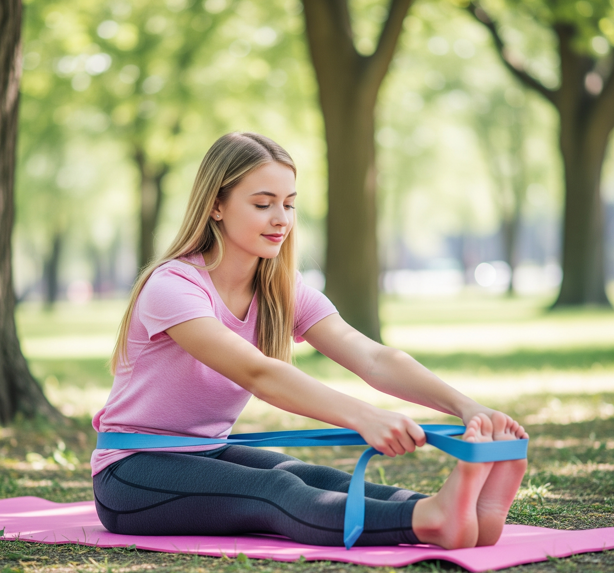
Perfect for office workers or post-workout recovery, this stretch targets deep calf muscles while keeping pressure off your joints. Simply pull your toes toward you for an easy yet effective flexibility boost.
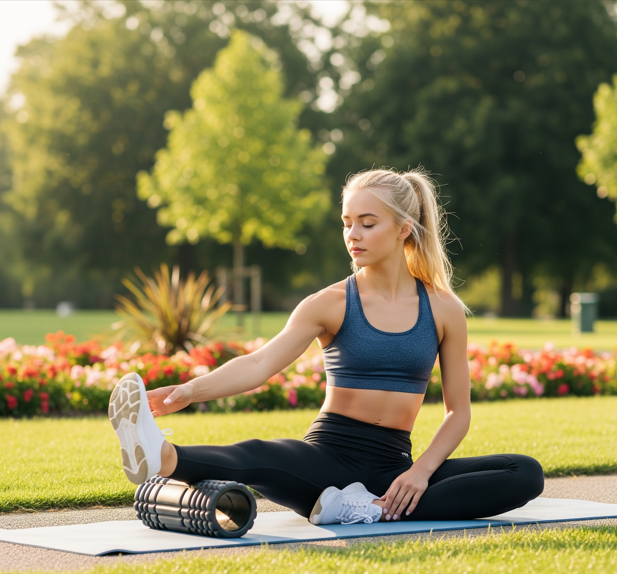
The ultimate tightness reliever! Rolling out your calves breaks up knots and improves circulation - think of it as a massage for overworked muscles. Go slow and breathe through tender spots.
Modifications:
Pro Tip: For deeper flexibility, try pointing and flexing your toes.
Modifications:
Muscle Worked | Difficulty Level |
Gastrocnemius (Upper Calf) | Beginner |
Soleus (Lower Calf) | Intermediate |
Achilles Tendon | Easy to Moderate |
🔹 Warm Up First – Walk or jog lightly before stretching.
🔹 Keep Heels Down – Avoid lifting them during standing calf stretches.
🔹 Control Foam Rolling – Don’t roll too fast; focus on tight areas.
🔹 Breathe Deeply – Helps muscles relax for better flexibility.
❌ Avoid These Mistakes
❌ Bouncing While Stretching – Can lead to strains (hold steady instead).
❌ Arching the Back – Keep your core engaged for proper form.
❌ Neglecting the Soleus – Bend the knee slightly to target deeper muscles.
❌ Skipping Post-Workout Stretches – Tight calves can lead to foot pain.
For best results, aim for daily stretching, especially after running, walking, or lower body workouts. Incorporate them into your 5-minute daily stretching routine or post-workout cool-down. Consistency is more important than intensity.
Yes. Tight calves place excessive stress on the shin bone and surrounding tissues, contributing to shin splints. Combining calf stretches with stretches for shin splints can provide comprehensive relief and prevent recurrence.
Absolutely. Tight calves are a major contributor to plantar fasciitis. Gentle calf stretches help release tension in the Achilles tendon, which connects to the plantar fascia. For a complete approach, combine with dorsiflexion exercises and supportive footwear.
Chronic tightness often indicates underlying weakness or muscle imbalance. Pair stretching with strengthening exercises like single leg RDL, reverse lunges, and calf raises found in leg workouts and bodyweight exercises guides.
Definitely. Limited ankle dorsiflexion from tight calves prevents proper squat form. Regular calf stretching, combined with hips exercises and reverse lunges, allows for deeper, safer squats.
Whether you prefer standing calf stretches, seated calf stretches, or foam rolling calf muscles, these moves will keep your lower legs flexible and pain-free. Add them to your routine for better movement and recovery!