
Tight glutes? These stretches target your gluteus maximus, medius, and minimus to relieve stiffness, improve flexibility, and prevent lower back pain. Perfect for desk workers, athletes, or anyone who sits all day!
When your glutes are tight, they pull on your pelvis and lower back, creating a chain reaction of tension that can lead to discomfort in your hips, knees, and even your ankles. The glutes are among the largest and most powerful muscles in your body – and when they’re restricted, everything from walking to squatting becomes harder. Glute Stretches are the most effective way to release this tension and restore natural movement patterns.
Regular stretching isn’t just about feeling good in the moment; it’s about restoring proper function, protecting your joints, and building a foundation for pain-free movement. Whether you’re looking to improve athletic performance, recover from long hours at a desk, or simply move through your day with greater ease, these glute stretches are your starting point.
Tight glutes don’t just affect your hips – they impact your entire body. From your lower back to your knees, tension in the glutes creates a ripple effect that limits mobility and invites pain. Regular glute stretching is one of the most effective ways to restore balance, improve performance, and feel better in your daily movements.
✅ Boosts flexibility in the hips and lower back for smoother movements
✅ Reduces pain from sitting or intense workouts
✅ Enhances posture by releasing tension in the glutes
✅ Improves mobility for running, squatting, and daily activities
✅ Calms the mind by linking breath with movement (yes, stretching is meditation too!)
✅ Alleviates Sciatica & Piriformis Syndrome – Targeted glute stretches relieve pressure on the sciatic nerve, reducing radiating leg pain and numbness.
✅ Improves Athletic Performance – Flexible glutes generate more power in sprinting, jumping, and lifting, translating to better results in exercises like reverse lunges and jump squats.
✅ Corrects Muscle Imbalances – Tight glutes often lead to overactive quads and hamstrings. Releasing them restores balance and prevents compensatory injuries.
✅ Supports Knee & Ankle Health – When glutes are tight, your knees and ankles absorb excess force. Regular stretching protects these joints during activities like burpees and box jumps.
✅ Enhances Sleep Quality – Releasing deep gluteal tension reduces nighttime discomfort, helping you fall asleep faster and stay asleep longer.
Whether you’re an athlete, a desk worker, or simply want to move without discomfort, these benefits make glute stretching a priority. Consistent practice unlocks relief that travels far beyond the glutes themselves.
Your glutes consist of three muscles:
Gluteus Maximus – The largest muscle in the body, responsible for hip extension and external rotation.
Gluteus Medius – Located on the outer hip, crucial for pelvic stability during walking and single leg RDL movements.
Gluteus Minimus – The deepest gluteal muscle, assisting with hip abduction and internal rotation.
Tightness occurs when these muscles remain in a shortened position for extended periods – common with prolonged sitting, poor posture, or repetitive activities like cycling. This tightness can lead to compensatory issues in the lower back, hamstrings, and even dorsiflexion during squats.
| Situation | Why It Matters |
|---|---|
| After sitting 2+ hours | Interrupts the tightening cycle that leads to glute amnesia |
| Post-workout | Promotes recovery and prevents DOMS in the glutes and hamstrings |
| Before bed | Releases accumulated tension, improving sleep quality |
| When you feel lower back ache | Tight glutes often mimic or contribute to lumbar discomfort |
For a comprehensive approach, combine glute stretches with posterior pelvic tilt stretch exercises to address both the glutes and their connection to pelvic alignment.

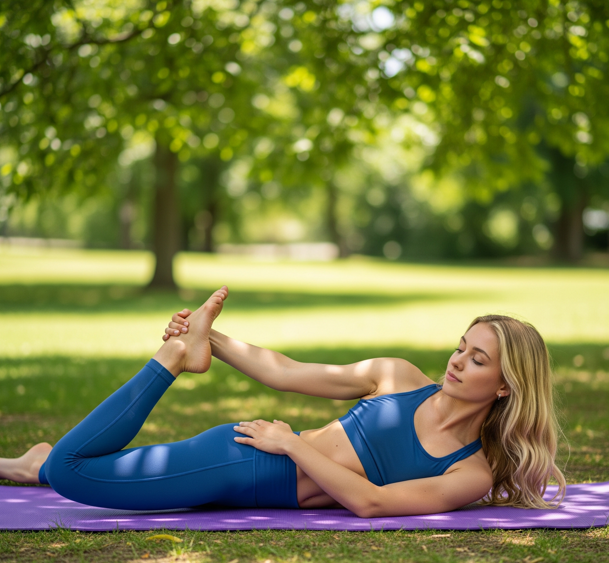
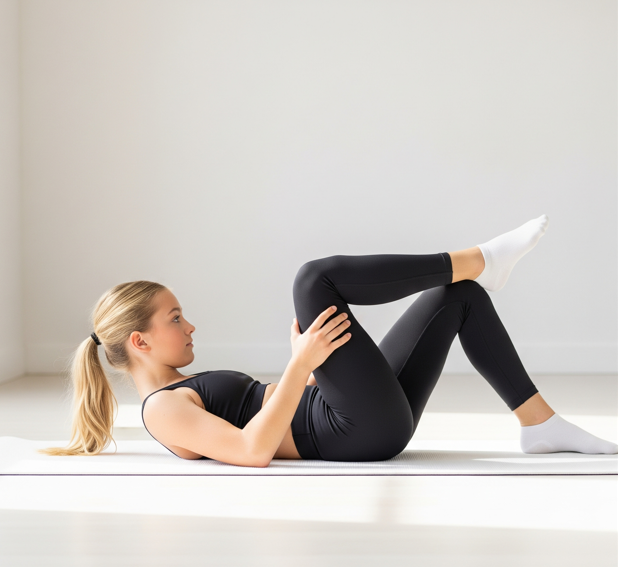
The Figure Four Glute Stretch also called the Sitting Figure Four Stretch, when performed seated relieves tight hips and glutes by crossing one ankle over the opposite knee and pulling the leg toward your chest. Hold for 30 seconds per side to release tension in the piriformis and lower back.
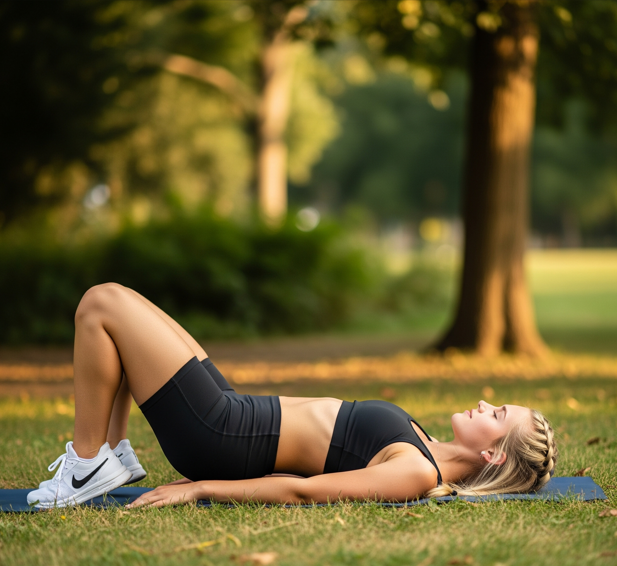
The Glute Bridge Pose strengthens your glutes, hamstrings, and core while improving hip mobility. Lie on your back, bend your knees, lift your hips toward the ceiling, and squeeze your glutes at the top. Hold for a few seconds, then lower with control.
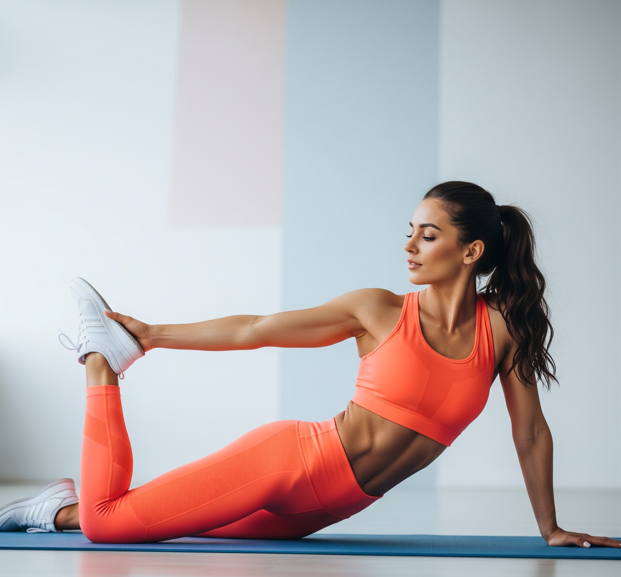
The Lying Figure Four Stretch, another variation of the Figure Four Glute Stretch, targets tight glutes and hips by lying on your back, crossing one ankle over the opposite knee (creating the "figure four" position), and gently pulling the thigh toward your chest. Hold this essential stretch for 20-30 seconds per side to improve flexibility.
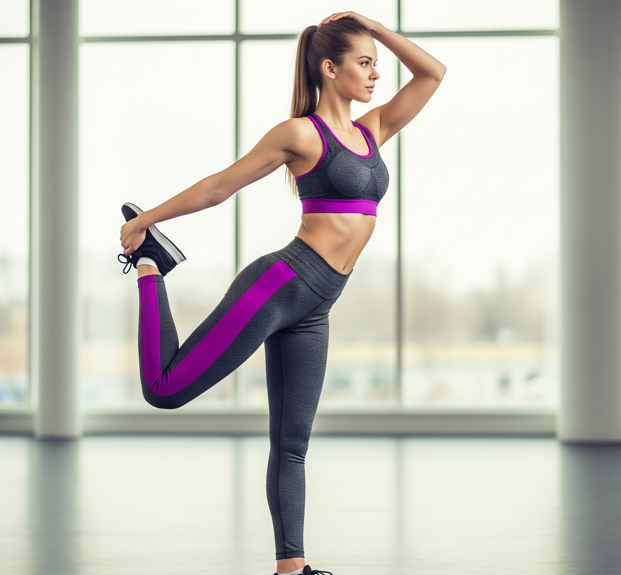
The Standing Glute Stretch releases tight hips and glutes by crossing one ankle over the opposite knee and bending into a mini squat. Hold for 20-30 seconds per side to improve mobility and ease lower-body tension.
💡 Modification: Can’t reach? Loop a towel around your thigh.
🔥 Advanced: Extend one leg straight while bridging.
Stretch | Muscles Worked | Difficulty |
Figure-Four | Glutes, Piriformis | Easy |
Glute Bridge | Glutes, Hamstrings | Moderate |
Lying Glute Stretch | Deep Glutes, Hips | Easy |
Standing Stretch | Glutes, Core | Moderate |
🛡️Warm up first (try marching in place for 1 minute).
🛡️Breathe deeply, no breath-holding!
🛡️Go slow, avoid bouncing or jerking.
🛡️Listen to your body stretch to tension, not pain.
Common Mistakes ❌
❌ Rounding the back (keep spine neutral).
❌ Overstretching (ease in gradually).
❌ Ignoring imbalances (stretch both sides equally!).
❌ Skipping hydration (muscles need water to flex!).
For best results, aim to stretch your glutes daily, especially if you sit for prolonged periods. Even 5-10 minutes of focused stretching can make a significant difference. Incorporate these stretches into your morning routine, during work breaks, or as part of your 5-minute daily stretching routine to build consistency without overwhelming your schedule.
Absolutely. Tight glutes pull on the pelvis, creating an anterior tilt that strains the lower back. This is one of the most common hidden causes of chronic lumbar discomfort. For a complete approach to relief, combine these glute stretches with exercises for lower back pain to address both the source and the symptoms effectively.
Glute stretches target the posterior chain – the muscles at the back of your body – while standing hip flexor stretches target the anterior chain (front of your hips). Both are essential for balanced mobility. When one group is tight and the other is weak or overstretched, it creates imbalances that affect posture, gait, and even Trendelenburg gait patterns.
Yes, when performed gently. Glute stretches, particularly the lying glute stretch and figure-four variations, can relieve pressure on the sciatic nerve by releasing the piriformis muscle. However, if you experience sharp or radiating pain, stop immediately. For a comprehensive approach to nerve-related discomfort, explore sciatic nerve stretches that specifically target the nerve pathway.
Definitely. Tight glutes limit hip mobility, which directly impacts how deep you can squat safely. When your glutes are flexible, your hips can move through their full range of motion, allowing for better form and reduced knee strain. Pair these stretches with reverse lunges and single leg RDL exercises to build strength alongside flexibility.
Pair these stretches with a 5-minute walk to double flexibility gains! 🚶♂️➡️🧘♀️