

Your latissimus dorsi (or “lats”) are those powerful “wing” muscles that help you pull, reach, and stabilize your spine. Whether you’re a gym-goer, swimmer, or desk worker, these latissimus stretching exercises can improve flexibility, relieve tightness, and help you move more freely.
✅ Relieves Upper Back Tension – Perfect for counteracting hunching over a desk or phone.
✅ Improves Flexibility – Enhances overhead mobility for lifts, swimming, or yoga poses.
✅ Reduces Shoulder Stiffness – Helps with pulling motions like rows and pull-ups.
✅ Supports Posture – Opens up tight lats to prevent rounded shoulders.
✅ Enhances Recovery – Great after workouts or long periods of sitting.
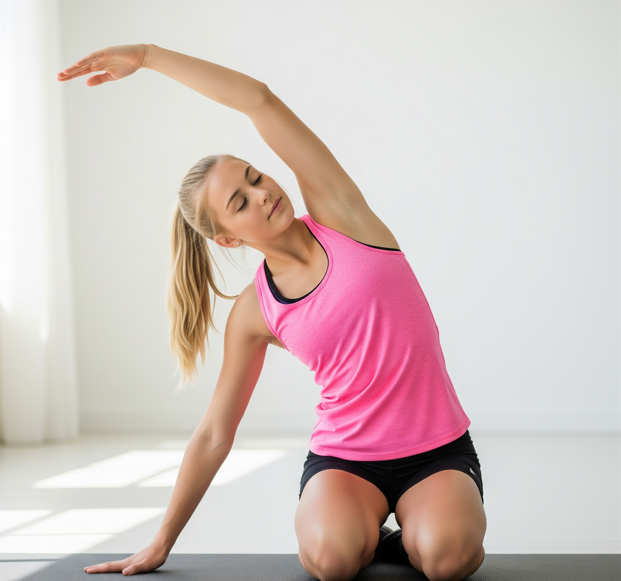
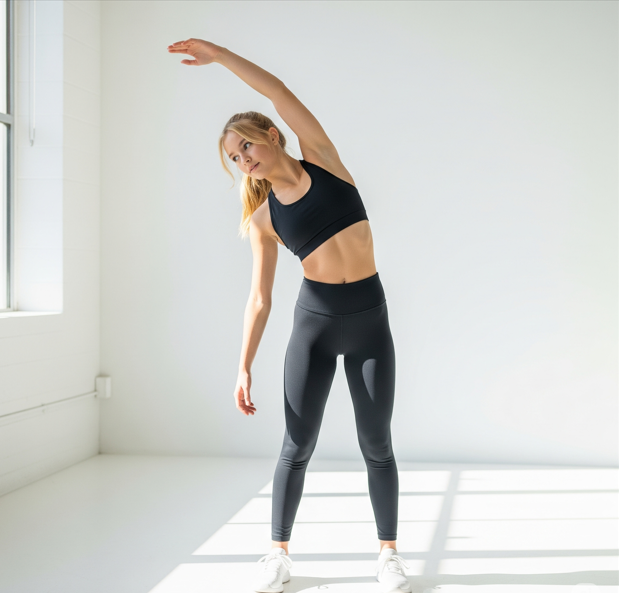
Like a tree bending in the wind, this simple side lean gently elongates your lats. Perfect for quick relief at work or pre-workout just reach up and sway
Reach for the sky to loosen tight lats! Stand tall, interlace fingers and press palms upward while leaning slightly sideways. Great for improving overhead mobility
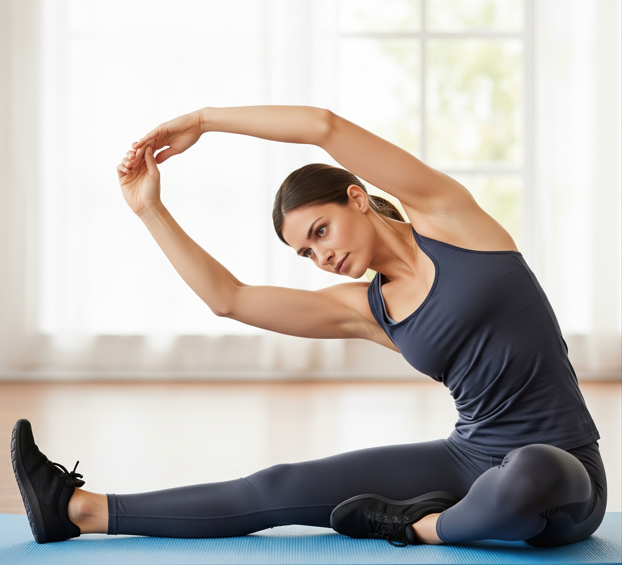
Office-friendly lat relief! Sit tall, extend one arm overhead and lean to the opposite side. Perfect for combating computer hunch

Gravity-powered deep stretch! Hang from a pull-up bar, relaxing shoulders to fully extend lats. Best for post-workout recovery
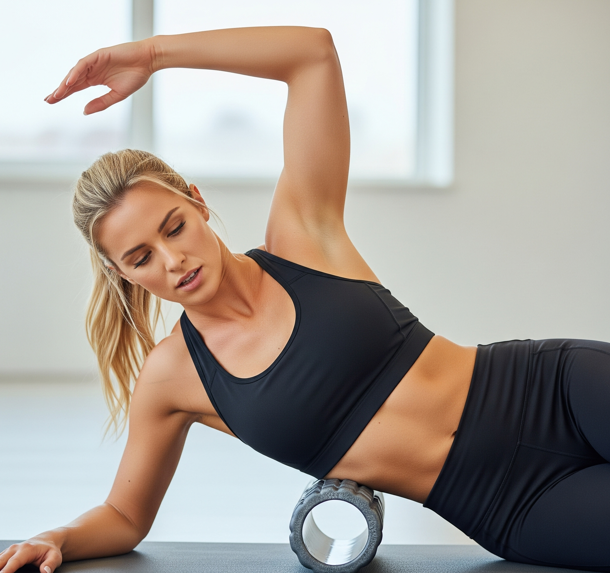
Your deep-tissue massage! Rolling your lats feels like ironing out stubborn wrinkles in your back muscles. Go slow tender spots mean you're in the right place!

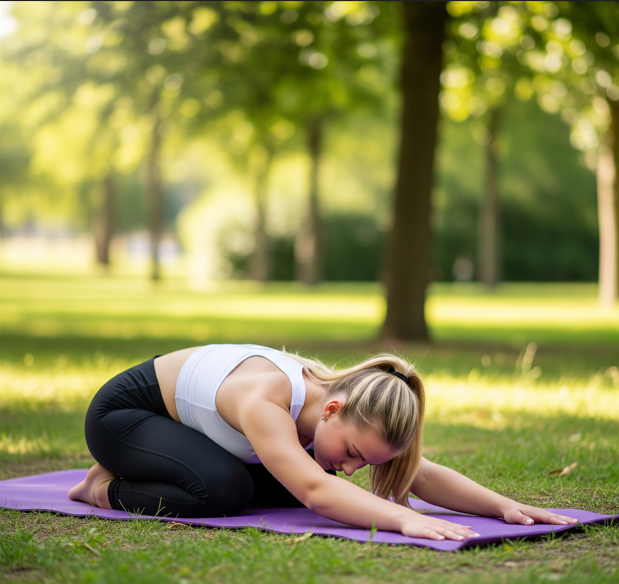
Targeted lat opener! Kneel and reach arms forward, lowering chest toward floor while keeping hips back. Ideal for weightlifters.
Muscles Worked | Difficulty Level |
Latissimus Dorsi | Beginner to Advanced |
Teres Major | Adjustable Intensity |
Obliques (Secondary) | Depends on Variation |
✔ Warm Up First – Light arm circles or cat-cow stretches prep the muscles.
✔ Breathe Deeply – Helps release tension for better flexibility.
✔ Engage Your Core – Prevents over-arching your lower back.
❌ Avoid These Mistakes
✖ Force the Stretch – Gentle tension is enough; pain means stop.
✖ Rush the Hold – Stay at least 20 sec for effective lengthening.
✖ Shrug Shoulders – Keep them relaxed and away from your ears.
Why It’s Essential:
Heavy pulling exercises (pull-ups, rows, deadlifts) constantly contract the lats
Without stretching, lats become shortened and tight
Tight lats pull on the shoulders, contributing to impingement and poor overhead mobility
How It Helps:
✅ Restores normal length after intense back workouts
✅ Improves overhead pressing mechanics
✅ Reduces shoulder strain during pushing movements
✅ Prevents the “rounded shoulder” posture that comes from overdeveloped front muscles
Why It’s Essential:
Swimming requires repetitive overhead reaching and pulling
The lats are the primary drivers of freestyle, backstroke, and butterfly
Swimmers often develop extremely tight lats from thousands of repetitive strokes
How It Helps:
✅ Maintains full range of motion for efficient stroke mechanics
✅ Reduces shoulder impingement risk common in swimmers
✅ Improves reach and pull-through power
✅Complements doorway stretch for complete shoulder health
Why It’s Essential:
Many poses require overhead arm position and spinal extension
Tight lats limit depth in backbends and arm balances
The lats connect directly to the pelvis, affecting hip positioning
How It Helps:
✅ Deepens expression of poses like Downward Dog and Wheel
✅ Improves arm balance stability through better shoulder mechanics
✅Complements child pose for complete back release
✅ Creates space in the upper body for freer breathing
Why It’s Essential:
Sitting at a computer places your arms forward, shortening the lats
Hours of forward reaching create adaptive shortening
Tight lats pull your shoulders forward and down, creating “computer posture”
How It Helps:
✅ Counters the forward pull of prolonged sitting
✅ Improves standing posture and shoulder position
✅ Reduces upper back and neck tension
✅ Can be done during quick work breaks
Why It’s Essential:
Sports requiring overhead motion constantly challenge lat flexibility
Tight lats limit reach and can contribute to shoulder injuries
The lats assist in generating power for serving and spiking
How It Helps:
✅ Maintains full overhead range for maximum reach
✅ Reduces strain on the rotator cuff
✅ Improves power transfer from core to arm
✅ Complements cat cow stretch for spinal mobility during warm-ups
Why It’s Essential:
Age-related stiffness affects the lats, limiting overhead reach
Tight lats contribute to the “stooped” posture common with aging
Maintaining lat flexibility preserves independence for daily activities
How It Helps:
✅ Maintains ability to reach overhead for items
✅ Improves posture and reduces the appearance of aging
✅ Gentle enough when modified with chair support
✅Complements side bend stretch for complete spinal mobility
Upon Waking:
Standing Overhead Reach: Stand tall, reach both arms overhead, and clasp your hands together. Gently lean to one side, holding for 20-30 seconds. This side bend stretch wakes up your lats and side body simultaneously.
Forward Fold with Arm Cross: From standing, fold forward and let your arms hang heavy. Cross your arms and let them dangle, feeling a stretch across your upper back and lats. Hold for 30 seconds, breathing deeply.
Doorway Lat Stretch: Walk to a doorway and place your forearms on the frame at chest height. Gently lean forward, letting your body weight create a stretch through your lats and chest. Hold for 20-30 seconds.
Why Morning Matters: Your lats shorten overnight while you sleep. Morning stretching sets the tone for mobile shoulders all day and prevents the “stiff start” that leads to compensation.
Mid-Morning (10-11am):
Seated Overhead Reach: Sit tall in your chair, reach both arms overhead, and clasp your hands. Gently lean to the right, holding for 20 seconds. Repeat on the left.
Chair Twist: Sit sideways in your chair, grasp the backrest, and gently twist to one side. This stretches the lats and rotates the spine simultaneously.
Standing Lat Stretch: Stand up, grab your right wrist with your left hand, and pull gently while leaning to the left. Hold for 20 seconds, then switch sides.
After Lunch (1-2pm):
Doorway Stretch: Take 60 seconds to find a doorway and perform a gentle lat stretch. This quick reset prevents afternoon slump.
Child Pose at Desk: If you have privacy, place your hands on your desk and walk them forward, lowering your chest toward your thighs. This seated child pose variation releases the lats without getting on the floor.
Late Afternoon (3-4pm):
Side Bend Stretch: Stand and perform 3 slow side bend stretches per side, holding each for 15-20 seconds. Focus on releasing accumulated tension from the day.
Before Workout (Dynamic Warm-Up):
Arm Circles: 30 seconds forward, 30 seconds backward
Cat Cow Stretch: 8-10 slow rounds to mobilize the spine and wake up the lats
Standing Side Bends: 5 per side, moving with your breath
Doorway Stretch (light): 15 seconds per side, gentle only
Why Before: Dynamic lat stretching prepares your lats for the demands of pulling and overhead movements, reducing injury risk and improving performance.
After Workout (Static Stretch):
Child Pose: Hold for 60-90 seconds, breathing deeply into your back. This is the ultimate lat release after pulling exercises.
Standing Lat Stretch: Hold each side for 45 seconds, focusing on deepening with each exhale
Doorway Stretch: Hold for 45-60 seconds, letting your chest and lats open fully
Cat Cow Stretch: 5 slow rounds to integrate the stretch into your spine
Why After: Your lats are warm and primed for lengthening post-workout. This is when you’ll make lasting flexibility gains.
After Dinner:
Child Pose: Sit on your heels and walk your arms forward, resting your forehead on the floor or a cushion. Stay for 2-3 minutes, breathing deeply into your back. This child pose variation is the perfect way to release the day’s tension from your lats.
Seated Side Bend: Sit cross-legged and perform slow side bend stretches to each side, holding for 30 seconds. Feel the stretch travel from your hip through your armpit.
Before Bed:
Reclined Lat Stretch: Lie on your back with knees bent. Reach both arms overhead and let them rest on the floor (or a pillow). Stay for 2-3 minutes, allowing gravity to stretch your lats.
Thread the Needle (optional): From all fours, thread one arm under the other, resting your shoulder and cheek on the floor. This gentle twist releases the lats and upper back simultaneously.
Deep Breathing: End with 5 deep breaths, imagining your lats widening and releasing with each exhale.
A: For general maintenance, 3-5 times weekly is sufficient. If you do a lot of pulling exercises (pull-ups, rows) or overhead sports, daily stretching produces the best results. Even 2-3 minutes of child pose daily makes a significant difference.
A: Absolutely! Tight lats pull on your shoulder blade and upper arm bone, altering shoulder mechanics. This can contribute to impingement, rotator cuff issues, and general shoulder discomfort. Releasing your lats often provides significant shoulder relief.
A: Yes! Unlike strengthening exercises that need recovery days, stretching is safe for daily practice. In fact, daily consistency produces far better results than occasional intense sessions. Just listen to your body—some days you’ll go deeper, some days you’ll be gentler.
A: Significantly! Tight lats pull your shoulders forward and down, contributing to rounded shoulders and forward head posture. Regular lat stretching allows your shoulders to return to their natural position, instantly improving your posture.
A: Yes, your lats attach to your pelvis. When they’re tight, they pull on your pelvis, which can affect your lower back alignment. Releasing your lats often provides unexpected lower back relief.
Whether you’re using latissimus dorsi foam roller techniques or simple stretches, keeping your lats loose improves flexibility, posture, and overall movement. Try these daily for best results!