
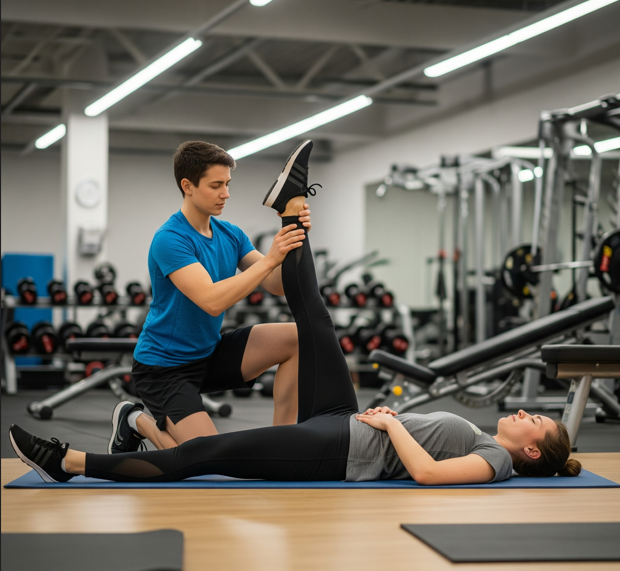
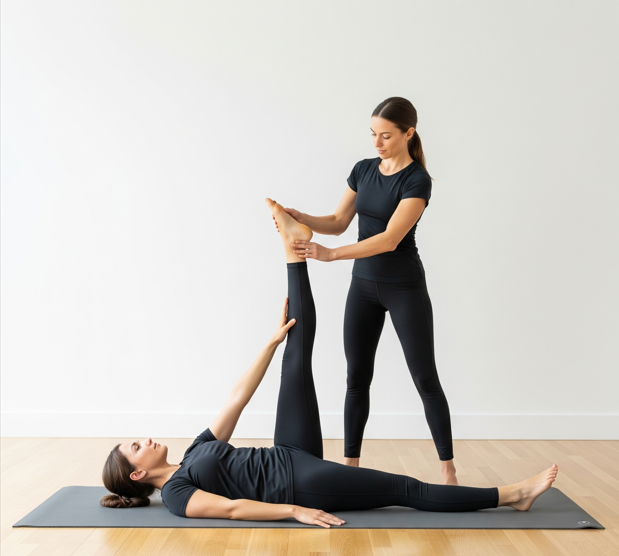
HIP FLEXOR

Types of PNF Stretching

Gastroc Stretches for Pain-Free Movement

PNF stretching is like ‘hacking’ your nervous system for faster flexibility gains. It’s the gold standard for athletes and rehab professionals.

Proprioceptive Neuromuscular Facilitation (PNF) combines passive stretching with muscle contraction to improve flexibility, range of motion, and muscle recovery. It’s especially effective for tight hamstrings, hips, and shoulders.


💪 Key Benefits of PNF Stretching

Boosts flexibility faster than static stretching

Improves muscle strength at extended ranges

Enhances body awareness (proprioception)

✅ Reduces injury risk by improving muscle control

Great for rehabilitation post-injury

PNF Stretching

Types of PNF Stretching

Types of PNF Stretching

Hold-Relax (HR) Technique

Hold-Relax (HR) Technique

The beginner-friendly PNF method! Stretch, isometrically contract the muscle, then relax deeper. Perfect for safely increasing flexibility in tight areas like hamstrings.
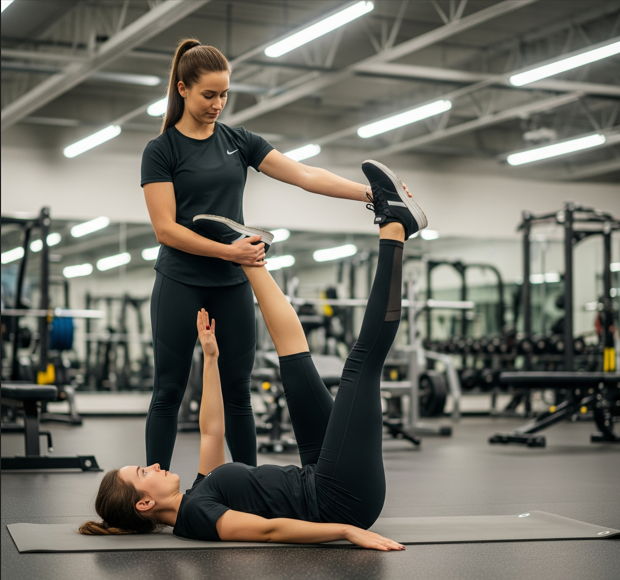
Contract-Relax (CR) Technique

Active tension release! Push against resistance before stretching further. The go-to for rehab pros to rebuild mobility after injuries
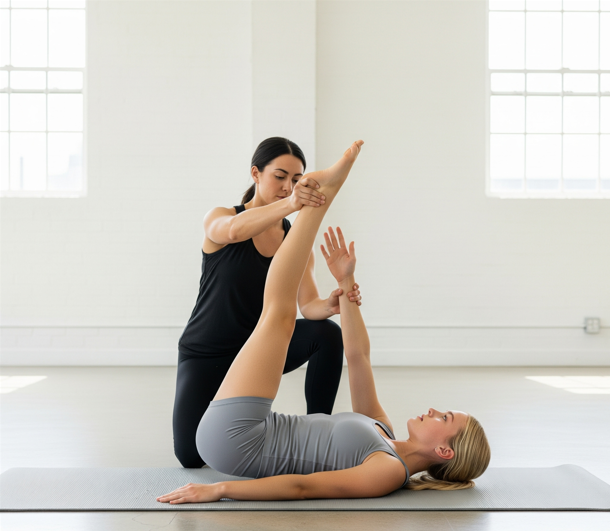
Hold-Relax-Agonist-Contraction (HRAC)

Hold-Relax-Agonist-Contraction (HRAC)

Advanced PNF magic! Combines isometric holds with opposing muscle contractions for maximum range-of-motion gains. Ideal for dancers and athletes needing extreme flexibility
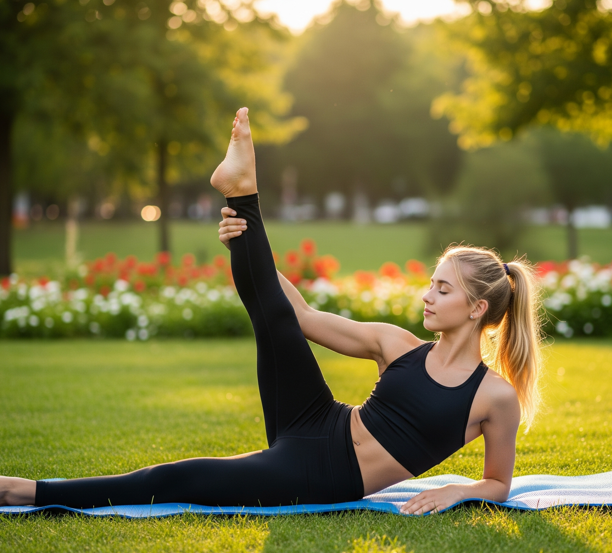
Reciprocal Inhibition (RI) Technique

Work smarter, not harder! Uses opposing muscle contractions to 'trick' tight muscles into relaxing. Great for stubborn muscle groups like hip flexors

How to Do PNF Stretching 📝

1️⃣ Hold-Relax (HR) Technique

  • Move into a passive stretch (e.g., hamstring stretch)
  • Hold for 10 sec, then contract the muscle isometrically (without moving) for 6 sec
  • Relax and deepen the stretch for 30 sec

2️⃣ Contract-Relax (CR) Technique

  • Stretch the target muscle passively
  • Contract the muscle concentrically (e.g., push against resistance) for 6 sec
  • Relax and move deeper into the stretch

3️⃣ Hold-Relax-Agonist-Contraction (HRAC)

  • Passive stretch → isometric hold (6 sec)
  • Relax → immediately contract the opposing muscle (e.g., quads during hamstring stretch)
  • Hold new stretch for 30 sec

4️⃣ Reciprocal Inhibition (RI) Technique

  • Passive Stretch: Gently stretch target muscle (e.g., calf stretch)
  • Activate Opposing Muscle: Contract the antagonist muscle (e.g., tibialis anterior by pulling toes up) for 6 sec
  • Relax & Deepen: Release and immediately deepen stretch for 30 sec
  • Repeat: 2-3 cycles per muscle group

Modifications:

  • Beginner: Use a strap/partner for support
  • Advanced: Add pulses in the stretched position

Quick Reference Table

PNF Type

Best For

Hold-Relax

Beginners, tight muscles

Contract-Relax

Intermediate flexibility

HRAC

Advanced range of motion

Safety Tricks 🛡️

✔ Warm up with light cardio first

Use a partner/towel for control

✔ Hydrate well after sessions

Avoid These Mistakes

Bounce during contractions

✖ Hold your breath (breathe steadily!)

✖ Force beyond pain (discomfort ≠ pain)

Quick Tip:

Pair PNF with dynamic stretching pre-workout and static stretching post-workout for ultimate results!