
HIP FLEXOR
Prone Cobra Exercise
Unlock Back Strength & Flexibility
Feeling like your posture resembles a question mark after hours at your desk? The Prone Cobra Exercise is here to save the day! 🌟 This powerful move targets your lower back, glutes, shoulders, and spinal extensors, helping you build strength while improving flexibility.
Think of it as a gentle yet effective way to “wake up” your back muscles like hitting the refresh button on your posture. Perfect for office warriors, athletes, or anyone looking to move with more ease!
The prone cobra exercise is often recommended in posture correction programs and upper back strengthening routines. It works especially well when combined with mobility drills like child’s pose stretch, chair spinal twist, and thread the needle stretch. Adding this movement into your weekly calisthenics flexibility workout routine can significantly improve spinal alignment and shoulder positioning.
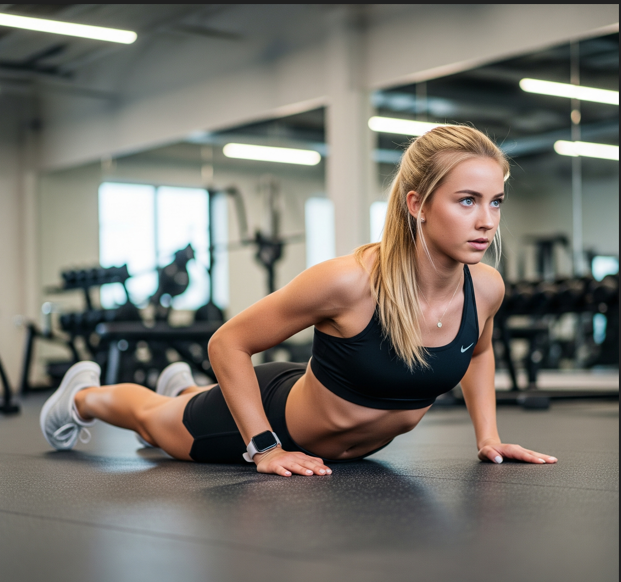
Prone Cobra Stretch
Key Benefits 💪
The prone cobra exercise is a simple yet highly effective bodyweight movement that strengthens the upper back, improves posture, and enhances overall shoulder stability without requiring any equipment.
Key benefits of Prone Cobra Stretch:
✅ Strengthens Postural Muscles – Fights slouching and promotes a taller, more confident stance.
✅ Enhances Flexibility 🧘 – Opens up the chest and shoulders, counteracting tightness from sitting.
✅ Reduces Lower Back Pain – Engages core and back muscles to support the spine.
✅ Improves Shoulder Mobility – Great for swimmers, gym-goers, or anyone with stiff shoulders.
✅ Boosts Mind-Body Awareness – Teaches control and mindful movement.
✅ Enhances Shoulder Stability – The prone cobra strengthens scapular stabilizers, improving shoulder control and reducing injury risk. It complements resistance band pull aparts and dumbbell tricep exercises for better upper body performance.
✅ Supports Spinal Mobility – Improved thoracic extension reduces stiffness caused by prolonged sitting. Pairing it with chair yoga spinal twist and knees to chest stretch enhances overall back mobility.
✅ Improves Breathing Mechanics – Opening the chest allows deeper breathing and better rib cage expansion. Combine with external oblique stretch and standing toe touch stretch to further improve flexibility.
✅ Builds Mind-Muscle Connection – Holding the position increases awareness of upper back engagement. This translates well into exercises like wall press ups and other bodyweight movements.
✅ Reduces Upper Back Fatigue – Strengthening postural muscles helps prevent daily strain. Add biceps wall stretch and triceps and shoulder stretch for balanced upper body recovery.
Adding the prone cobra exercise consistently to your routine can significantly improve posture, spinal alignment, and upper body strength. For best results, combine it with movements like wall push ups, latissimus dorsi stretch, and child’s pose stretch to create a complete upper back strengthening and mobility routine that supports long-term posture correction.
📋How To Do Prone Cobra Exercise
1️⃣Lie Face Down
Start flat on your stomach, legs straight, arms by your sides, palms down.
2️⃣Engage Your Core
Gently tighten your abs to protect your lower back.
3️⃣Lift Chest & Arms
Squeeze your shoulder blades together as you raise your chest and arms slightly off the ground (like a cobra rising!).
4️⃣Hold & Breathe
Return to the starting position with control.
5️⃣Lower Slowly
Shift slightly up/down the roller to target different areas.
🔥 Modifications:
- Beginner: Keep arms by your sides or lift just your chest.
- Advanced: Lift legs slightly for extra glute engagement.
For better results, perform this movement slowly and focus on controlled breathing. Avoid rushing through repetitions. You can pair prone cobra with band pull-aparts or wall push ups to reinforce scapular retraction. Following it with gentle stretches like arm stretches or a latissimus dorsi stretch helps release tension in the shoulders and upper back.
How Long Should You Hold the Prone Cobra?
The ideal hold time depends on your strength and experience level. Beginners should focus on proper form before increasing duration. This exercise is about controlled activation, not lifting as high as possible. It pairs well with band pull-aparts and wall push ups to reinforce upper back engagement.
Recommended Hold Times:
Beginners: 10-15 seconds
Intermediate: 20-30 seconds
Advanced: 30-45 seconds
Perform 2-3 sets
Focus on steady breathing and posture control
Muscles Worked in Prone Cobra Exercise
The prone cobra exercise primarily strengthens the upper back muscles responsible for posture correction and shoulder stability. It targets key scapular stabilizers while also engaging core muscles that support spinal alignment. This makes it an excellent addition to upper body training and mobility routines, especially when combined with movements like band pull-aparts and wall push ups.
Primary & Secondary Muscles Activated:
Rhomboids – Retract the shoulder blades and improve posture.
Middle & Lower Trapezius – Support scapular control and upper back strength.
Posterior Deltoids – Assist shoulder extension and stability.
Erector Spinae – Maintain spinal alignment.
Core Stabilizers – Prevent lower back overextension during the hold.
Who Should Do the Prone Cobra Exercise?
The prone cobra is ideal for individuals looking to improve posture, strengthen the upper back, and reduce shoulder tension. It is especially beneficial for people who spend long hours sitting or performing repetitive pushing exercises. Those following an at home calisthenics workout plan or working on calisthenics flexibility workout routines can greatly benefit from adding this movement.
This exercise is recommended for:
Office workers with rounded shoulders
Students with forward head posture
Athletes needing scapular stability
Individuals doing dumbbell tricep workouts
Anyone regularly performing resistance band pull aparts
📊 Quick Reference Table
Muscles Worked | Difficulty Level |
Lower Back, Glutes | Beginner-Friendly |
Shoulders, Spinal Extensors | Adjustable Intensity |
⚠️Safety Tricks
✅ Neutral Neck – Keep your gaze down to avoid straining.
✅ Controlled Movement – No jerking; slow lifts = better results.
✅ Breathe Deeply – Oxygen fuels muscle engagement and flexibility.
✅ Engage Core – Lightly brace your abs to protect the lower back and maintain spinal alignment.
✅ Squeeze Shoulder Blades – Focus on scapular retraction to properly activate the rhomboids and middle traps.
✅ Keep Legs Relaxed – Avoid excessive glute squeezing; the focus should remain on upper back activation.
✅ Short, Quality Holds – Prioritize proper form over longer hold times to prevent strain.
⚠️ Common Mistakes:
❌ Overarching the Lower Back – Focus on lifting from the upper back, not just the spine.
❌ Holding Breath – Steady breathing maximizes flexibility gains.
❌ Shrugging Shoulders – Keep shoulders relaxed and away from ears.
❌ Lifting Too High – Raising the chest excessively can compress the lower spine instead of strengthening the upper back.
❌ Looking Forward – Tilting the head up strains the neck; keep a neutral gaze downward.
❌ Rushing Repetitions – Fast movements reduce muscle engagement and posture benefits.
❌ Not Engaging Upper Back – Simply lifting the chest without squeezing the shoulder blades limits effectiveness.
FAQ
Is the prone cobra exercise good for posture correction?
Yes, the prone cobra is highly effective for improving posture. It strengthens the upper back muscles responsible for pulling the shoulders back and aligning the spine. Consistent practice can help reduce rounded shoulders and forward head posture caused by prolonged sitting.
Can beginners safely perform the prone cobra?
Yes, beginners can safely do this exercise as long as they focus on proper form. Start with short hold times and avoid lifting too high. Controlled movement and steady breathing are more important than intensity.
How often should I do the prone cobra exercise?
For posture improvement, 3-5 times per week is ideal. It can be included in warm-ups, cooldowns, or mobility sessions. Regular practice leads to better muscle endurance and spinal stability.
Does prone cobra help with shoulder pain?
It can help reduce shoulder discomfort caused by weak upper back muscles and poor posture. However, if you have an injury or sharp pain, consult a healthcare professional before performing the exercise.
Should I feel the exercise in my lower back?
You may feel slight engagement, but the primary activation should be in the upper back and shoulders. If you feel strain in the lower back, reduce the lift height and engage your core more actively.
Quick Tip:
Whether you’re chasing flexibility, better posture, or a stronger back, the Prone Cobra is a must-try! 🌟 Add it to your daily routine and feel the difference in just a few weeks. Your spine (and future self) will thank you!