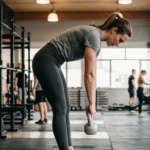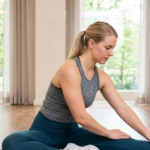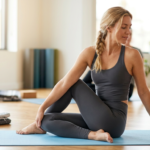
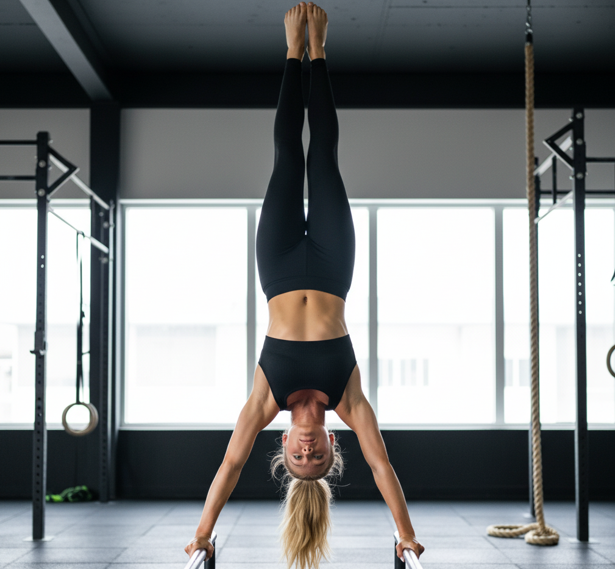
Looking to boost your flexibility and build functional strength, no fancy equipment required? A calisthenics workout routine is your best bet! This workout targets your core, upper body, and lower body, improving balance, posture, and overall mobility, making it perfect for both beginners and seasoned athletes.
✨ Key Benefits of Calisthenics Workout Routine
- 🧘♀️ Improves full-body flexibility: Helps your muscles move fluidly, enhancing range of motion and reducing stiffness.
- 💥 Builds lean muscle strength: Uses your body weight to develop strength naturally.
- 🧠 Boosts mental clarity: The rhythmic flow of calisthenics promotes focus and reduces stress.
- 🔥 Enhances coordination & balance: Engages stabilizer muscles often neglected in gym workouts
- ⏱️ Increases endurance: Ideal for anyone wanting a sustainable fitness lifestyle.
🏋️ Beginner Calisthenics Workout Routine: Your Complete Guide to Bodyweight Strength
“You don’t need a gym membership, expensive equipment, or hours of free time to build real strength. Calisthenics uses your own body weight to create resistance, and this beginner routine is the perfect starting point.”
🔍 What Is a Calisthenics Workout Routine?
A calisthenics workout routine is a bodyweight-based exercise plan that builds strength, endurance, and flexibility, no equipment needed. Think classic moves like push-ups, squats, and planks all powered by your own body weight. Whether you’re at home, in a park, or traveling, calisthenics goes where you go.
🔹 1. Warm-Up (5 minutes)
Start with arm circles, jumping jacks, and light jogging to get your blood flowing. Think of it as “waking up” your muscles for better flexibility and performance.
Add these mobility moves to your warm-up:
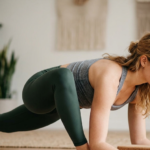
- Cat cow stretch – On hands and knees, alternate between arching your back (Cow) and rounding your spine (Cat) for 8-10 rounds. The cat cow stretch prepares your spine for the work ahead and connects breath to movement.
- Thread the needle stretch – From hands and knees, slide your right arm under your left, resting your shoulder on the floor. Hold for 15 seconds per side. The thread-the-needle stretch opens your upper back and shoulders, which is especially helpful before push-ups and planks.
A proper warm-up raises your heart rate, lubricates your joints, and reduces injury risk.
🔹 2. Push-Ups (3 sets of 10–15 reps)
Push-ups are the foundation of upper-body calisthenics strength. They target your chest, shoulders, triceps, and core.
- Place your hands slightly wider than shoulder-width
- Lower your chest toward the floor, keeping your core tight
- Push back up in a controlled, steady manner
Beginner Tip: Do them on your knees or against a wall if full push-ups are too challenging
Advanced Move: Try explosive push-ups for power training. Push hard enough that your hands leave the floor 💥
Form Cue: Keep your elbows at about 45 degrees from your body, not flared straight out.
🔹 3. Squats (3 sets of 15–20 reps)
Squats build lower body strength, improve hip mobility, and strengthen your knees.
- Stand with feet shoulder-width apart
- Lower your hips as if sitting on an invisible chair
- Keep your back straight and chest lifted throughout
This move builds flexibility in your hips and knees while strengthening your legs.
🔥 Try Jump Squats (Advanced Move): Add a jump as you rise to boost heart rate, power, and leg flexibility a great way to turn squats into a mini cardio burst.
Form Cue: Keep your weight in your heels, not your toes. Your knees should track over your toes, not cave inward.
🔹 4. Plank Hold (3 rounds of 30–60 seconds)
The plank is a full-body stability exercise that builds endurance in your core, shoulders, and back.
- Keep your elbows directly under your shoulders
- Maintain a straight line from head to heels
- Engage your core like you’re bracing for a punch
This works perfectly as a plank for abs to strengthen your core and improve flexibility in your spine over time.
Beginner Tip: Drop to your knees if holding a full plank is too challenging
Advanced Move: Add shoulder taps or leg lifts to increase difficulty
Form Cue: Don’t let your hips sag or pike up. Imagine your body is a straight board.
🔹 5. Stretch & Cool Down (5–10 minutes)
After your workout, your muscles are warm and primed for stretching. This is when you’ll make lasting flexibility gains.
Seated Hamstring Stretch – Sit on the floor with one leg extended, the other bent with the sole against your inner thigh. Reach toward your extended foot, keeping your back straight. Hold for 20-30 seconds per side. The seated hamstring stretch releases the back of your legs after squats and jumps.
Cat Cow Stretch – On hands and knees, move through 5-8 slow rounds of cat cow to decompress your spine after planks and push-ups.
Thread the Needle Stretch – From hands and knees, slide one arm under the other, resting your shoulder on the floor. Hold for 20-30 seconds per side. This opens your upper back and rotator cuff after pressing work.
Sleeper Stretch – Lie on your side with your arm at 90 degrees. Use your opposite hand to gently press your wrist toward the floor. Hold for 20-30 seconds per side. The sleeper stretch targets internal rotation of the shoulder important for shoulder health, especially if you do a lot of push-ups and planks.
Shoulder Rolls – Roll your shoulders forward and backward 10 times each to ease tension and improve posture.
🔧 Progression Path for Beginners
| Week | Focus | Push-Ups | Squats | Plank |
|---|---|---|---|---|
| 1-2 | Form mastery | Knee or incline | Bodyweight | 20-30 seconds |
| 3-4 | Volume | 3×10 standard | 3×15 | 30-45 seconds |
| 5-6 | Intensity | 3×12-15 | 3×20 | 45-60 seconds |
| 7-8 | Challenge | Diamond or decline | Jump squats | Add shoulder taps |
📅 Weekly Schedule Example
| Day | Workout | Focus |
|---|---|---|
| Monday | Full routine | Strength endurance |
| Tuesday | Rest or light walk | Active recovery |
| Wednesday | Full routine | Increase reps |
| Thursday | Rest | Full recovery |
| Friday | Full routine | Form focus |
| Saturday | Active recovery | Stretching, light mobility |
| Sunday | Rest | Complete rest |
⚠️ Safety Tricks to Keep in Mind
✅ Warm up properly before starting. Cold muscles don’t perform well
✅ Maintain good posture throughout each movement
✅ Breathe deeply; never hold your breath during exercises
✅ Stop if you feel pain (discomfort is okay, sharp pain isn’t)
✅ Listen to your body rest when you need to
✅ Stay hydrated before, during, and after your workout
🚫 Common Mistakes to Avoid
❌ Skipping warm-ups or cool-down stretches
❌ Doing reps too quickly, control is more important than speed
❌ Forgetting to stay hydrated
❌ Ignoring rest days (muscles need time to recover)
❌ Comparing your progress to others, your journey is your own
❌ Neglecting mobility work like cat cow stretch and thread the needle stretch
🔍 FAQs
🧩 1. What is a Calisthenics Workout Routine?
💬 A calisthenics workout routine is a bodyweight-based exercise plan that builds strength, endurance, and flexibility, no equipment needed! Think classic moves like push-ups, squats, and planks all powered by your own body weight.
🧩 2. Can Beginners Start Calisthenics Easily?
💬 Absolutely! A beginner calisthenics workout routine starts with simple exercises like wall sits, modified push-ups, and bodyweight squats. These moves help build core strength and improve flexibility safely and effectively.
🧩 3. How Often Should I Do Calisthenics?
💬 For best results, aim for 3–4 sessions per week. This gives your muscles the perfect balance of work and recovery, preventing fatigue while boosting performance over time.
🧩 4. Does Calisthenics Help in Weight Loss?
💬 Yes, definitely! 💥 Calisthenics workouts boost metabolism, burn calories, and tone muscles, helping you get lean, strong, and more flexible without heavy gym equipment.
🧩 5. How Long Until I See Results?
💬 With consistent training and a balanced diet, most beginners notice visible improvements in 4–6 weeks, from better flexibility to stronger muscles and enhanced stamina. 💪
🧩 6. What Stretches Should I Do After Calisthenics?
💬 Focus on seated hamstring stretch, cat cow stretch, thread the needle stretch, and sleeper stretch to release tension in your legs, spine, upper back, and shoulders.
🧩 7. Why Is the Sleeper Stretch Important for Calisthenics?
💬 The sleeper stretch targets internal rotation of the shoulder joint. Since push-ups and planks can tighten the front of your shoulders, this stretch maintains balance and prevents impingement.
🏁 Final Thoughts
A calisthenics workout routine isn’t just about getting stronger; it’s about becoming more flexible, agile, and confident in your body. Remember: consistency beats intensity. Start small, stay safe, and celebrate every little gain along the way! 🌈
Incorporate mobility work like the cat cow stretch, the thread the needle stretch, the seated hamstring stretch, and the sleeper stretch into your cool-down to maintain the flexibility you need for long-term progress.