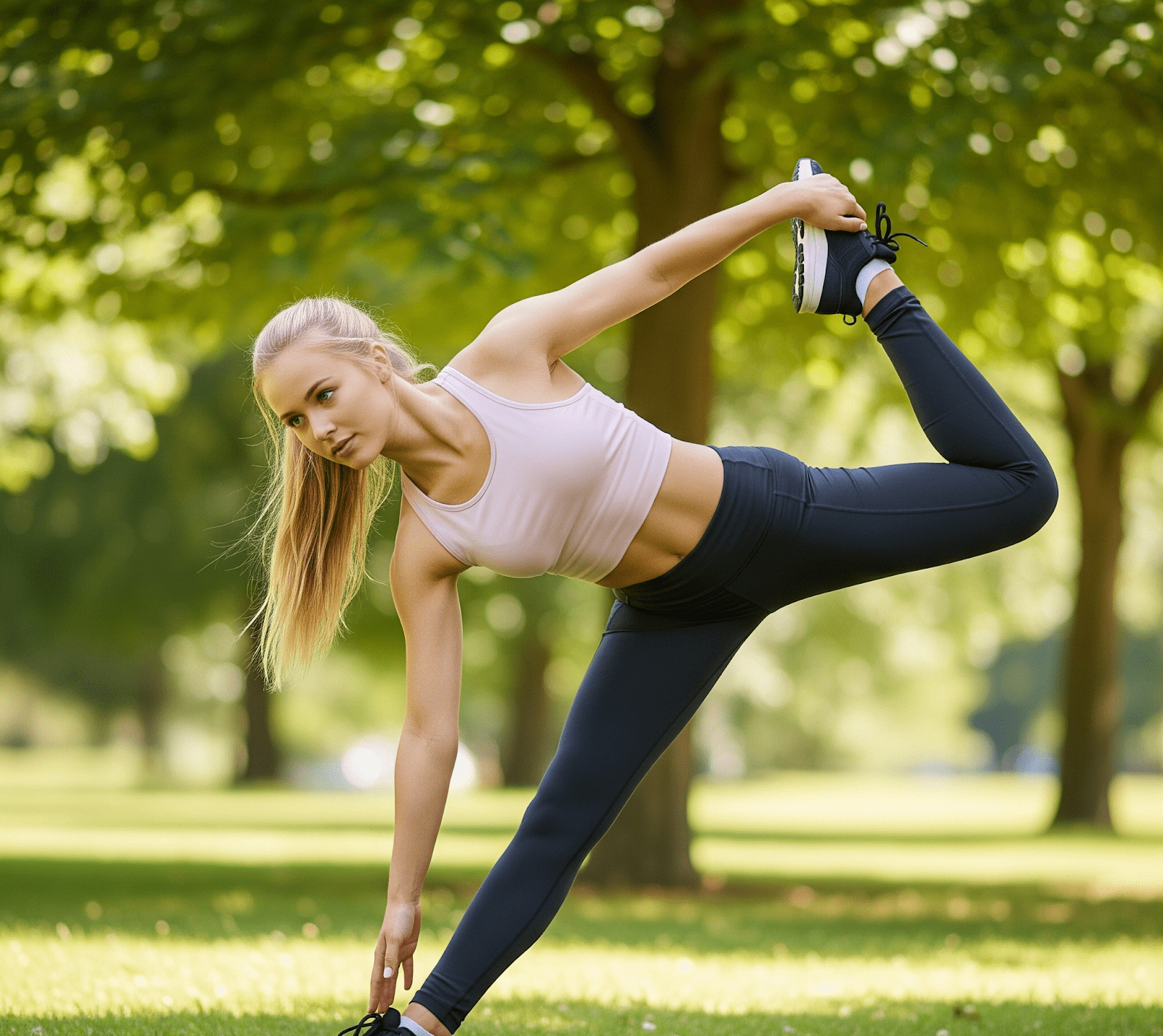
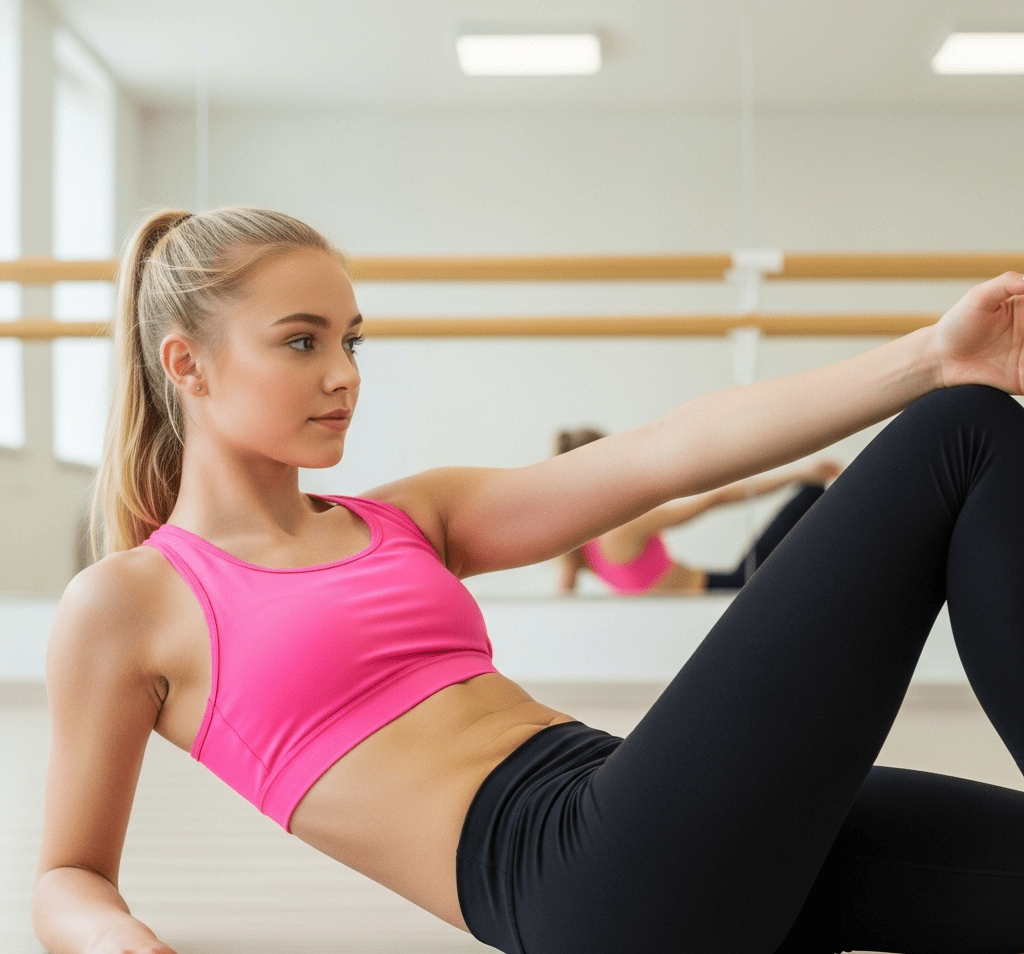
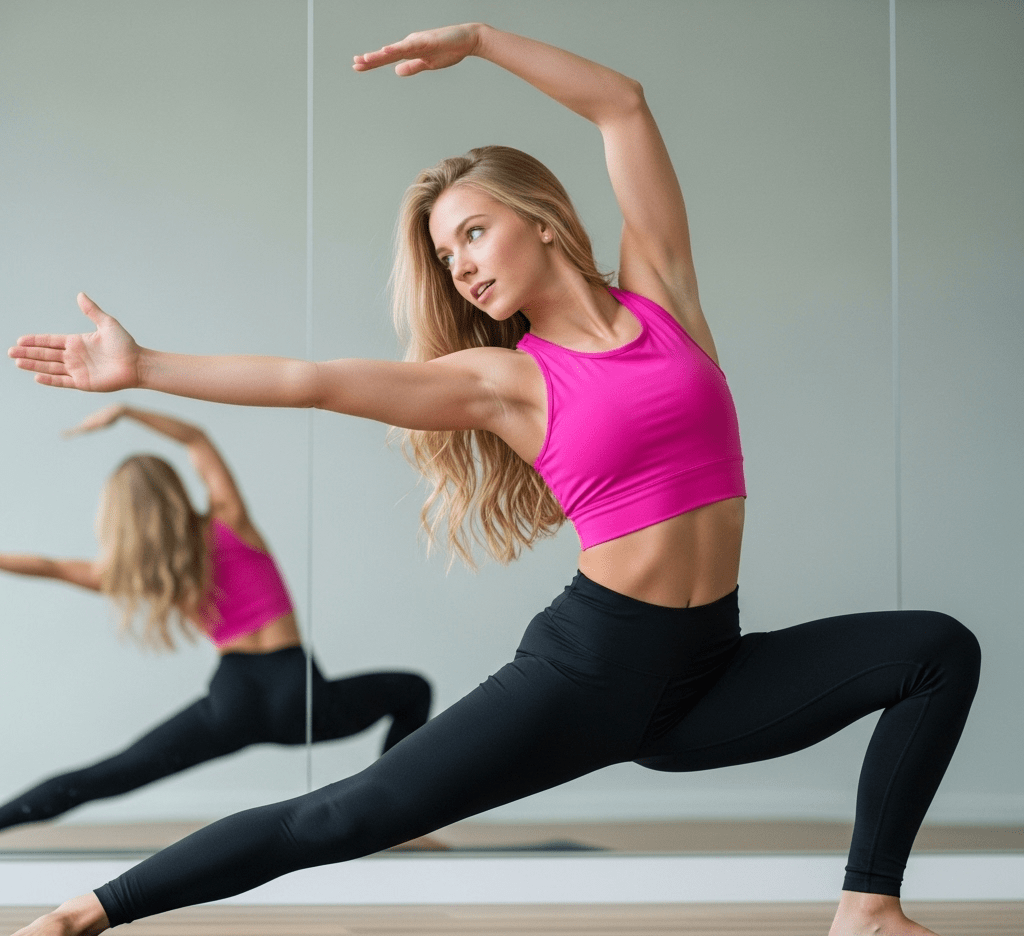
The hip flexors are a group of muscles that connect your thighs to your pelvis and lower back, playing a crucial role in movements like walking, running, and bending. Strengthening and stretching these muscles can improve flexibility, reduce lower back pain, and enhance athletic performance. Whether you’re an athlete or someone looking to improve mobility, hip flexor exercises are essential for a balanced fitness routine.
🔍 Why Hip Flexors Matter?
1️⃣ 🪑 Sitting Damage Ground Zero
9-10 hours sitting = hip flexors shorten & tighten
Result: Altered posture, back pain, limited mobility
2️⃣ ⚡ Power Generators
Essential for running, kicking, sprinting
Weak flexors = slower speeds, less explosive power
Reduces Lower Back Pain – Weak hip flexors contribute to back strain; strengthening them alleviates discomfort while improving flexibility.
Boosts Athletic Performance – Essential for runners and cyclists, enhancing power and flexibility for explosive movements.
Enhances Posture – Counters sitting-induced tightness by restoring flexibility to hip muscles.
Prevents Injuries – Strong, flexible hip flexors reduce strains and imbalances.
Improves Mobility & Flexibility – Expands range of motion for fluid, pain-free movement.
Why Hip Flexor Mobility Matters
The hip flexors play a major role in everyday movement, helping lift the legs, stabilize the pelvis, and support proper posture. When these muscles become tight or weak, it can lead to discomfort in the hips, lower back, and even the knees. Many people develop tight hip flexors from prolonged sitting, desk work, or limited mobility training.
Adding regular hip flexor stretches to your routine helps restore natural movement patterns and reduce stiffness. Improved hip flexibility can also support better athletic performance, walking mechanics, and overall lower-body mobility.
Signs Your Hip Flexors May Be Tight
Tight hip flexors are common, especially for people who spend long hours sitting. When these muscles shorten or become restricted, they can affect posture and movement efficiency.
Common signs include:
Stiffness in the front of the hips after sitting
Lower back discomfort during standing or walking
Difficulty extending the hips fully during exercise
Reduced stride length while walking or running
Tightness when performing lunges or squats
If you notice these symptoms, incorporating targeted hip flexor stretches can help gradually improve flexibility and reduce tension.
How to Get the Best Results from Hip Flexor Stretches
For the best results, hip flexor stretches should be performed with controlled movement and consistent practice. Focus on maintaining proper posture during each stretch, keeping the core engaged and avoiding excessive lower-back arching.
Helpful tips include:
Hold each stretch for 20-30 seconds per side
Perform 2-3 repetitions for better flexibility gains