
Butterfly Stretch
Butterfly Stretch for Better Hip Mobility
Ever feel like your inner thighs are as tight as a drum? The Butterfly Stretch is your secret weapon for melting away tension in those hard-to-reach muscles! Perfect for athletes, desk jockeys, or anyone who sits too much, this stretch helps open your hips, improve flexibility, and even calm your mind. Think of it as giving your legs a big, cozy hug except it’s actually good for you. 😉
Why the Butterfly Stretch Deserves a Spot in Your Routine
The butterfly stretch is more than just a simple groin opener – it’s a foundational mobility drill that pays dividends across your entire movement practice. By targeting the often-neglected adductor muscles of the inner thigh, it helps correct imbalances caused by forward-dominant activities like running and cycling. When your inner thighs are tight, they can tug on your pelvis, contributing to lower back discomfort and even affecting your walking pattern. Regular practice of this stretch helps restore balance, making it an excellent complement to targeted hips exercises and a key component of any full body stretching routine.
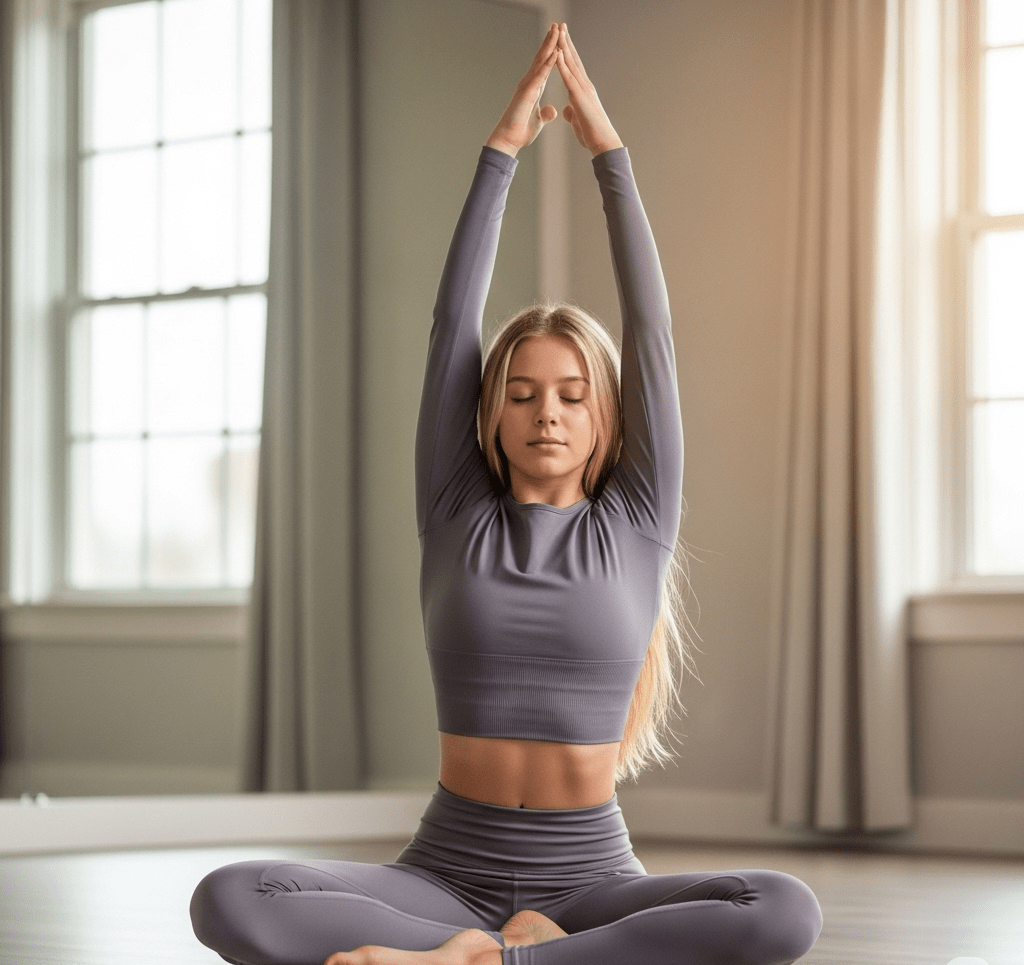
Butterfly Stretch
🌈Butterfly Stretch Benefits
➔ Opens Tight Hips & Thighs: Say goodbye to that “stiff jeans” feeling in your inner thighs!
➔ Boosts Mobility: Great for runners, dancers, and gym-goers who need agile legs.
➔ Relaxes the Lower Back: Eases tension by loosening up connected muscles.
➔ Encourages Mindfulness: Slow, deep breaths here = instant stress relief.
➔ Prepares for Splits (or Just Better Sitting!) Whether you’re a yogi or just want to sit cross-legged without groaning.
➔ Improves Circulation: The position encourages blood flow to the pelvic region and lower extremities.
➔ Enhances Athletic Performance: Flexible adductors allow for a deeper squat and more powerful lateral movements, which are essential for exercises like jump squats and reverse lunges.
➔ Supports Pelvic Floor Health: Gentle opening of the hips can help release tension in the pelvic floor, which is beneficial for overall core function.
➔ Promotes Better Posture: By releasing the inner thighs and hips, the butterfly stretch helps align the pelvis, counteracting the effects of prolonged sitting.
🔄 How To Do The Butterfly Stretch For Tight Hips
Sit Tall Like a Royal 👑
✔ Plant your butt firmly on the floor, spine straight (no slouching!).
Soles Together, Knees Out
✔ Bring the soles of your feet together, letting your knees flop open like a book
Hold Your Feet (or Ankles)
✔ Grip your feet, ankles, or shins whatever feels comfy!
Hinge Forward (Optional)
✔ For a deeper stretch, lean forward from the hips (keep your back flat no hunching!).
Flutter Like a Butterfly 🦋
✔ Gently bounce your knees up and down for a dynamic stretch, OR hold still for a deep static stretch.
Integrating the Butterfly Stretch into Your Routine
This versatile stretch can be used in several ways:
As Part of a Cool-Down: After a lower body workout, use the butterfly stretch to lengthen the adductors and promote recovery. It pairs well with glute stretches and the lying hip flexor stretch.
During Work Breaks: If you sit at a desk all day, take 2 minutes every few hours to sit on the floor and perform a gentle butterfly. It counters the effects of sitting and can help prevent issues like stretches for shin splints that can arise from overall lower body tightness.
In a Mindfulness Practice: The combination of deep breathing and gentle hip opening makes this a perfect pose for meditation or stress relief.
As a Mobility Check-In: Use the butterfly to assess your hip health. Notice if one side feels tighter than the other. This asymmetry can be a clue for underlying issues, such as a Trendelenburg gait, and can guide your focus in other exercises like single-leg RDL to build balance.
Common Questions About Timing and Frequency
Many people wonder how best to incorporate the butterfly stretch into their existing fitness regimen. Here are some quick guidelines:
As a Warm-Up: Use the dynamic (fluttering) version for 30-60 seconds before activities that require hip mobility, such as running, dancing, or a calisthenics workout routine. This increases blood flow and prepares the adductors for movement.
As a Cool-Down: After your workout, hold the static version for 60-90 seconds per side (or both sides together). This helps lengthen muscles that have been contracted during exercise, aiding in recovery and maintaining flexibility. It pairs exceptionally well with quadriceps stretches and hamstring work.
During Active Recovery: On rest days, a gentle, long-hold butterfly stretch (2-3 minutes) can improve circulation and maintain mobility without stressing the joints. Consider it part of your full body stretching recovery protocol.
For Desk Workers: Aim to do this stretch for a few minutes every 2-3 hours. It directly counteracts the hip tightening caused by prolonged sitting and can even help alleviate tension that contributes to neck workouts being needed for upper body strain.
The key takeaway? Consistency beats intensity. A few minutes of butterfly stretch practiced regularly will yield far greater results than one long, forced session performed sporadically.
📊 Quick Reference Table
Muscles Worked | Difficulty Level |
Inner thighs (adductors), hips, lower back | Beginner-Friendly |
⚠️ Safety Check
✔ Skip if: You have a hip or knee injury (check with a doc first!).
✔ Avoid: Yanking your knees down let gravity do the work.
✔ Listen to your body: Discomfort = normal; sharp pain = STOP.
✔ Use Props if Needed: If your knees are far from the floor and you feel strain, place yoga blocks, pillows, or rolled-up towels under each knee for support. This allows you to relax into the stretch without forcing it.
✔ Warm Up First: Like any stretch, performing the butterfly on cold muscles can be less effective and more likely to cause strain. A few minutes of light cardio, like jumping jacks, can make a big difference.
🚫 Common Mistakes (and How to Fix Them!)
🗼 Bouncing Too Hard – “Fluttering like a panicked butterfly? Slow down!”
🧘 Rounding Your Back – “Hunching like a question mark? Sit tall, king/queen!”
👊 Forcing Knees Down – “Pushing knees like a bully? Let gravity work!”
😬 Holding Your Breath – “Turning blue? Breathe, you’re not underwater!”
🦶 Feet Too Far From Body: If your feet are too far away, you lose the focus on the inner thighs. Gently draw your heels closer to your pelvis to intensify the adductor stretch.
👀 Craning Your Neck Forward: Keep your neck in line with your spine. Imagine a string pulling you up from the crown of your head, even as you hinge forward.
🚫 Stretching Through Pain: A gentle pull is good; sharp, tearing, or pinching pain in the hip or knee is a sign to back off immediately. If knee pain is an issue, explore alternatives like the hip adductor stretch or cossack squat stretch which may offer a different angle.
FAQ
How long should I hold the butterfly stretch?
For a static stretch, aim to hold for 30-60 seconds. For a dynamic stretch, gently “flutter” your knees for 30-60 seconds. Consistency is more important than duration; incorporating it into your 5-minute daily stretching routine will yield the best results.
I feel a pinching sensation in my hip, not a stretch. What's wrong?
A pinching sensation often indicates that the hip joint itself is tight, rather than the muscles. You may need to back off the stretch and work on overall hip mobility first. Try sitting on a cushion to elevate your hips, which can change the angle and reduce impingement. Gentle leg swings or standing hip flexor stretches can also help prepare the joint.
Can the butterfly stretch help with groin pulls?
Yes, once the acute injury has healed. Gentle stretching of the adductors can help restore flexibility and prevent future strains. However, never stretch a muscle that is acutely injured or torn. Always consult a medical professional for specific rehabilitation advice. For strengthening the area post-injury, exercises like inner thigh workout can be beneficial.
Is this stretch safe during pregnancy?
The butterfly stretch is generally considered safe during pregnancy and can be very helpful for preparing the hips for labor. However, as the pregnancy progresses, lying flat on the back may become uncomfortable. The reclined version (with support under the knees) or a seated version with a straight back is often recommended. Always listen to your body and consult with your healthcare provider.
Why is one side always tighter than the other?
Asymmetry is completely normal and often results from daily habits (like which leg you lead with) or previous injuries. This information is useful! Spend a little more time breathing into the tighter side to help restore balance, which can also improve your performance in bilateral movements like good mornings exercise and squats.
Pro Tip
Pair this with slow breathing imagine you’re blowing up a balloon with each exhale. Your thighs will thank you later! 🎈