
HIP FLEXOR
Hip Adductor Stretch
Adductor Exercises: Build Hip Strength and Prevent Injury
The hip adductor stretch targets the often neglected inner thigh muscles that contribute to stability, walking, and athletic movements. Whether you’re a runner, yogi, or just want to move more freely, these stretches can help relieve tightness and improve your flexibility where it matters most!
Key Benefits of Hip Adductor Stretches 🌟
✅ Improves Flexibility – Increases range of motion for squats, lunges, and side movements
✅ Reduces Injury Risk – Helps prevent groin strains during sports or workouts
✅ Enhances Mobility – Makes everyday movements like getting in/out of cars easier
✅ Relieves Tightness – Perfect after sitting all day or intense lower body workouts
✅ Boosts Athletic Performance – Essential for runners, dancers, and martial artists
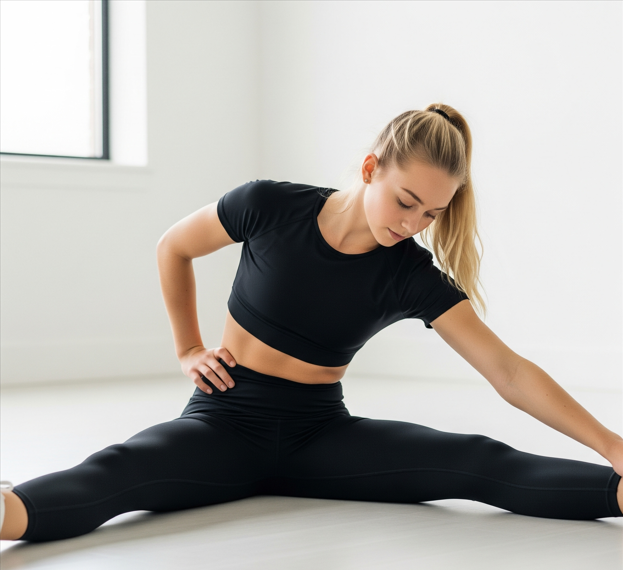
Hip Adductor Exercise
Hip Adductor Stretches

Butterfly Stretch
Like opening a book with your legs, this classic floor stretch gently coaxes tight inner thighs to relax. Perfect for post-workout recovery or while watching TV just sit, fold, and breathe into the stretch
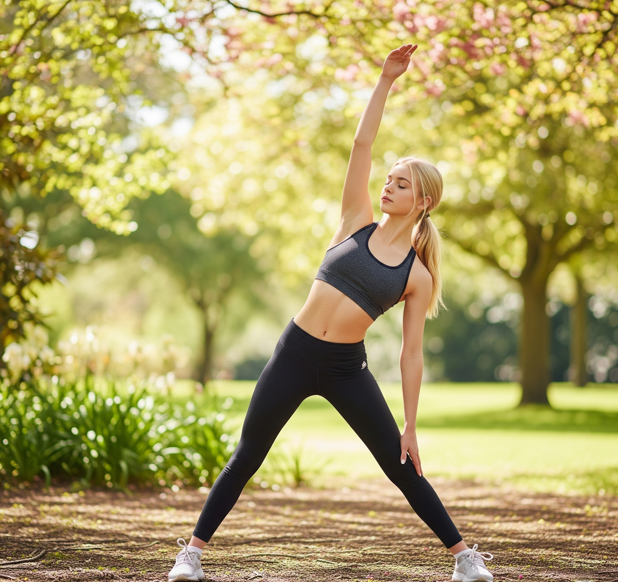
Standing Adductor Stretch
Need a quick stretch at work or the gym? This upright version lets you target those adductors anywhere. Imagine you're a starfish reaching sideways the wider your stance, the deeper the stretch
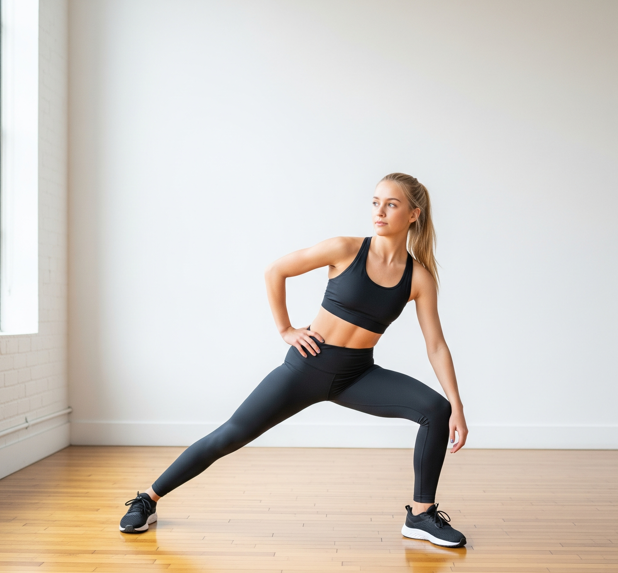
Side Lunge Stretch
Channel your inner martial artist with this dynamic stretch that builds strength and flexibility simultaneously. It's like doing a slow-motion karate side kick the deeper you sink, the more your hips will thank you later
How To Do Hip Adductor Stretch 🧘♀️
1️⃣Butterfly Stretch (Beginner-Friendly)
- Sit on the floor with knees bent and soles of feet together
- Let your knees fall outward, bringing heels toward your groin
- Gently press knees downward with your elbows
- Hold for 30 seconds while breathing deeply
Pro Tip: For a deeper stretch, lean forward from your hips while keeping your back straight
2️⃣Standing Adductor Stretch (No Floor Needed)
- Stand with feet wider than shoulder-width
- Shift weight to one side, bending that knee while keeping the other leg straight
- Feel the stretch along your inner thigh
- Hold 20-30 seconds, then switch sides
3️⃣ Side Lunge Stretch (Advanced)
- Start in a wide stance
- Shift completely to one side, keeping both feet flat
- Lower into a deep side lunge
- Hold 15-20 seconds per side
Quick Reference Table
Muscles Worked | Difficulty Level |
Adductor Magnus | Beginner |
Adductor Longus | Intermediate |
Gracilis | Advanced |
Pectineus | All Levels |
Safety Tricks 🛡️
✔ Warm Up First – Light cardio or dynamic stretches prevent strains
✔ Progress Gradually – Increase depth slowly over weeks
✔ Maintain Alignment – Keep knees tracking over toes
✔ Breathe Deeply – Helps muscles relax into the stretch
❌ Avoid These Mistakes
✖ Bounce – Can cause micro tears in muscles
✖ Overstretch – Mild discomfort is okay, but pain is not
✖ Round Your Back – Keep spine neutral in seated stretches
✖ Rush – Hold each stretch for full benefit
🔍 What the Hip Adductor Stretch Targets
The hip adductor stretch targets the group of muscles along your inner thigh the adductor longus, adductor brevis, adductor magnus, gracilis, and pectineus. These muscles are responsible for bringing your legs toward the midline of your body (adduction) and stabilizing your pelvis during movement.
When these muscles become tight, they can:
✅ Limit your ability to perform lunges exercises with proper depth
✅ Contribute to groin strains and pulls
✅ Pull on your pelvis, affecting lower back alignment
✅ Restrict hip mobility for activities like squatting and running
Think of this stretch as giving your inner thighs permission to lengthen and release, creating space in your hips and freedom in your movement.
👥 Who Should Do the Hip Adductor Stretch?
🏃 Runners and Sprinters
Tight adductors limit stride length and can lead to groin pulls
Regular stretching improves hip mobility for more efficient running form
Complements glute stretch work for balanced hip health
Essential for preventing the “tight inner thigh” feeling during long runs
🏋️ Weightlifters and Gym-Goers
Tight adductors restrict squat depth and proper form
Essential for achieving proper positioning in sumo deadlifts and wide-stance squats
Improves stability during lunges exercises and single-leg work
Pairs well with quadriceps stretch for complete leg preparation
🧘 Yoga Practitioners
Opens the inner thighs for deeper expressions of poses like Butterfly and Garland Pose
Essential preparation for seated forward folds and hip openers
Complements thread the needle stretch for complete upper and lower body release
Creates space in the hips for more comfortable meditation
🪑 Desk Workers
Sitting shortens and tightens the adductors over time
Regular stretching counteracts the “seated position” damage
Improves standing posture and pelvic alignment
Can be done during quick work breaks
👴 Older Adults
Maintains hip mobility essential for balance and fall prevention
Makes daily activities like getting in and out of cars easier
Gentle enough when modified with chair support
Preserves independence through maintained flexibility
🏀 Athletes in Sports Requiring Lateral Movement
Essential for basketball, soccer, tennis, and hockey players
Prepares adductors for the demands of cutting and changing direction
Prevents the groin strains common in multidirectional sports
Complements hip flexor lunge stretch for complete hip preparation
🤰 Pregnant Women
Opens the hips and prepares the body for labor
Creates space in the pelvic region
Gentle versions are safe throughout pregnancy (with modifications)
Pairs well with butterfly stretch for complete inner thigh opening
🎒 Anyone with Groin Tightness or Previous Strains
Rehabilitation and prevention of recurring groin issues
Restores normal length to healing tissues
Gentle progression from basic to deeper stretches
Essential for long-term recovery
🧗 Climbers and Hikers
Why It’s Essential:
Climbing and hiking require constant stabilization on uneven terrain
Tight adductors limit your ability to find secure footholds
The “wide stance” positions common in climbing put high demand on inner thighs
Descending trails eccentrically loads the adductors, making them prone to tightness and injury
How It Helps:
✅ Improves your ability to span between holds and find stable positions
✅ Reduces the risk of groin strains during awkward falls or slips
✅ Complements hip flexor lunge stretch for the front-to-back demands of climbing
✅ Enhances balance on technical terrain through better hip control
✅ Pairs with quadriceps stretch for complete leg recovery after long approaches
📅 Daily Hip Adductor Stretch Routine
🌅 Morning Wake-Up (3 minutes)
Upon Waking:
Perform seated butterfly stretch while still in bed or on a mat
Hold for 30-45 seconds, feeling the gentle pull along your inner thighs
Focus on waking up the hips, not forcing depth
This prepares your adductors for the day’s movement
During Morning Routine:
While coffee brews, do standing wide-leg forward fold for 30 seconds
Let your upper body hang heavy, releasing the lower back
Feel the stretch travel down your inner thighs
Prevents morning stiffness in the hips
Advanced Option:
Add gentle pulses at the end range of your butterfly stretch
Move with your breath inhale to prepare, exhale to sink deeper
10-15 gentle pulses per side
🪑 Desk Break Routine (2 minutes)
Mid-Morning (10-11am):
Stand up and step into a wide stance (sumo position)
Shift your weight to one side, bending that knee while keeping the other leg straight
Hold for 20-30 seconds per side
This lunge stretch variation targets the adductors of the straight leg
After Lunch (1-2pm):
Perform seated butterfly stretch in your chair
Place feet together, let knees fall open
Hold for 30 seconds, breathing deeply
Releases tension accumulated from morning sitting
Late Afternoon (3-4pm):
Do standing side lunge for 30 seconds per side
Step wide to the right, bend right knee, keep left leg straight
Feel the stretch along the inner left thigh
Prepares your body for the commute home
🏋️ Pre/Post-Workout Integration
Before Leg Day or Cardio:
Perform dynamic leg swings side-to-side (10-12 per side)
Move into gentle lunges exercises with a wide stance
2-3 light butterfly stretch holds of 15 seconds each
Prepares adductors for the demands of your workout
After Workout (when muscles are warm):
Hold deeper hip adductor stretches for 30-45 seconds per side
Focus on the butterfly stretch with a gentle forward fold
Add quadriceps stretch to balance front-thigh work
Hold glute stretch on each side for complete hip release
Between Sets:
Use gentle standing adductor stretch as active recovery
Keep holds brief (10-15 seconds)
Maintains mobility during rest periods
Particularly beneficial on leg days
🌙 Evening Wind-Down (4 minutes)
After Dinner:
Sit on the floor in butterfly stretch position
Support your knees with pillows if they don’t reach the floor
Hold for 60-90 seconds, breathing deeply
Focus on releasing the day’s tension from your hips
Before Bed:
Perform reclined butterfly stretch lying on your back
Let your knees fall open naturally, supported by pillows if needed
Stay for 2-3 minutes, breathing into your inner thighs
Complements thread the needle stretch for upper body release
Signals your nervous system that it’s time to rest
🔄 Complete 5-Minute Adductor Routine
Minute 1: Butterfly Stretch
Sit tall, soles of feet together, knees open
Hold for 60 seconds, breathing deeply
Focus on relaxing the inner thighs with each exhale
Minute 2: Wide-Legged Forward Fold
From seated, extend legs wide apart
Walk hands forward, keeping spine long
Hold for 60 seconds, feeling inner thighs stretch
Minute 3: Standing Side Lunge (Right)
Step wide to the right, bend right knee
Keep left leg straight, foot flat
Hold for 30 seconds, then switch sides
Minute 4: Standing Side Lunge (Left)
Repeat on the left side for 30 seconds
Focus on keeping both feet flat
Minute 5: Reclined Butterfly
Lie on back, bring feet together, let knees fall open
Stay for 60 seconds of deep relaxation
Option to add thread the needle stretch for upper back
FAQ's
Q1: How often should I do hip adductor stretches?
A: For general maintenance, 3-5 times weekly is sufficient. If you’re an athlete or have chronically tight adductors, daily gentle stretching produces the best results. Listen to your body—some days you’ll go deeper, some days you’ll be gentler.
Q2: Why are my adductors so tight?
A: Common causes include prolonged sitting (which shortens these muscles), sports that require repetitive adduction (like horseback riding or hockey), inadequate cooling down after leg workouts, and muscle imbalances where adductors compensate for weak glutes.
Q3: Can tight adductors cause knee pain?
A: Yes! Tight adductors can pull on your pelvis and affect your entire lower body alignment. This can alter how your kneecap tracks during movement, contributing to conditions like patellofemoral pain syndrome. Stretching them often provides unexpected knee relief.
Q4: What's the difference between butterfly stretch and hip adductor stretch?
A: Butterfly stretch IS a type of hip adductor stretch just one of many variations. Butterfly targets the adductors in a seated, flexed-hip position, while standing side lunges target them in a more functional, weight-bearing position. Both are valuable.
Q5: Can I do adductor stretches during pregnancy?
A: Absolutely! In fact, keeping your adductors flexible during pregnancy can help prepare your body for labor. Use gentle versions, avoid deep forward folds that compress the belly, and always listen to your body. The butterfly stretch is generally safe throughout pregnancy with proper support.
Quick Tip:
Regular hip adductor stretches can transform your flexibility, reduce stiffness, and help you move with greater ease. Whether you choose the butterfly, standing, or side lunge variation, consistency is key to seeing results!