What Are Shin Splints?
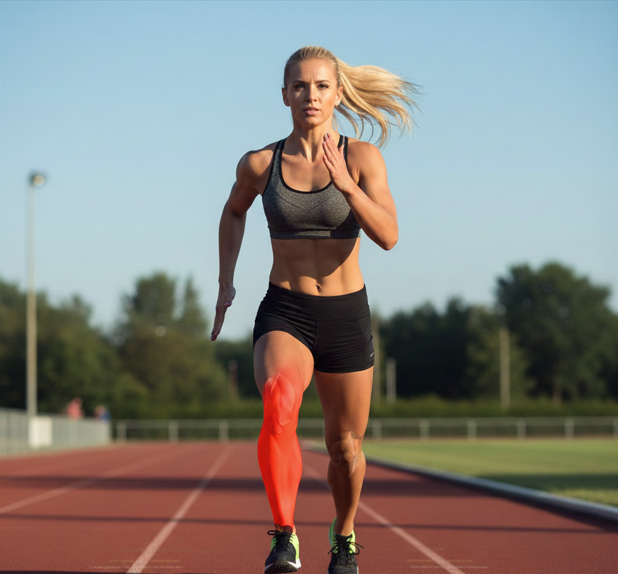
Think of your shin, the front part of your lower leg between your knee and ankle. It’s not just a plain bone. Imagine that shin bone (called the tibia) is like the main support pole of a tent. Now, picture the muscles and the thin, tough tissue that covers the bone (called the periosteum) as the guy-lines and ropes that strap onto that pole to stabilize the tent. These “ropes” are essential for you to walk, run, and jump.
Shin splints happen when you put too much stress on this system. It’s like a strong, gusty wind repeatedly tugging and pulling on those ropes. At first, they just get tight and sore (that’s muscle fatigue). But with too much force, over and over, the ropes start to pull and irritate the spot where they attach to the pole itself.
That’s the core of the problem:
- It’s inflammation and micro-stress in the muscle, tissue, and most notably, at their attachment point to the shin bone.
- It’s not a broken bone.
Key Benefits of Stretching for Shin Splints 🏃♀️
- Reduces Pain & Tension: Eases the acute pulling sensation along the shin bone, a hallmark of shin splint discomfort.
- Improves Muscle Flexibility: Gradually increases the flexibility of the tibialis anterior (front of shin) and calf muscles, addressing a key cause of pain.
- Enhances Recovery: Promotes blood flow to the area, which is crucial for healing and effective shin splints treatment.
- Supports Prevention: Regular stretching builds long-term flexibility and resilience, helping you stay active without recurrence.
- Boosts Mind-Body Awareness: Helps you tune into early warning signs of tightness, allowing for proactive care.
How to Do Stretches For Shin Splints: Step-by-Step Guide
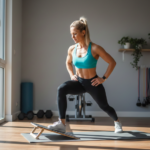
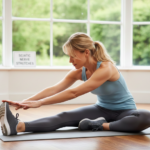
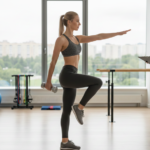
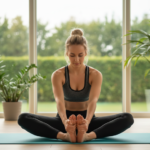
Performing these types of stretches gently after a light warm-up, like walking in place for 5 minutes. Never bounce or push into sharp pain.
1. Seated Shin Stretch
Targets: Tibialis anterior (front shin muscle).
- Kneel on a soft mat, then sit back so your feet are flat on the floor and your buttocks rest on your heels.
- Gently lean back, placing your hands behind you for support, until you feel a stretch along the front of your shins.
- Hold for 20-30 seconds. Modification (Beginner): Place a rolled towel between your calves and thighs to reduce the intensity.
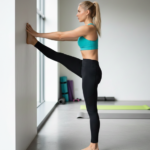
2. Standing Calf & Soleus Stretch
Targets: Gastrocnemius and soleus (calf muscles), which impact shin flexibility.
- Stand facing a wall with your hands on it for support.
- Step one foot back, keeping it straight and heel pressed down. Bend your front knee. You’ll feel a stretch in the calf of the back leg.
- For a deeper soleus stretch, slightly bend the back knee while keeping the heel down.
- Hold each variation for 25-30 seconds per leg.
3. Heel & Toe Walks
Targets: Dynamic stretch for the entire lower leg.
- Heel Walk: Walk slowly on your heels only, toes pointing up, for 30 seconds. This stretches the front shin muscles.
- Toe Walk: Walk slowly on your tiptoes for 30 seconds. This stretches the calf muscles.
- Alternate for 2-3 rounds. This builds flexibility through movement.
Safety Tips & Common Mistakes to Avoid ⚠️
Safety First!
- Warm Up First: Never stretch cold muscles. A light 5-minute cardio warm-up is essential.
- Listen to Your Body: Seek a gentle pulling sensation, not pain. Sharp pain means “stop.”
- Be Consistent: Frequent, gentle stretching is far more effective than one intense session.
- Support Your Body: Consider using shin splints support socks during activity for compression and stability, a key part of shin splints treatment.
Common Mistakes
- Bouncing: Avoid ballistic stretches. Hold each stretch steady to prevent micro-tears.
- Ignoring Pain: Pushing through pain is not “gaining flexibility“; it’s aggravating your shin splint.
- Rushing: Not holding stretches long enough (aim for 25-30 seconds).
- Forgetting Footwear: Stretching is great, but ensure you have supportive shoes for activity to treat the root cause.
FAQ’s: Your Shin Splint Questions, Answered! ❓
Q. What are shin splints?
A.Think of your shin bone and the muscle attached to it like a piece of Velcro. Overuse from running or jumping can cause tiny, painful separations in that “Velcro” connection, which is medically known as medial tibial stress syndrome, or what most of us call shin splints.
Q. Do compression socks help with shin splints?
A. Yes, they can be a valuable tool! Compression socks and shin splints go together by providing gentle pressure that improves circulation, reduces vibration, and offers support, which can decrease pain during activity and recovery.
Q. How often should I do these stretches?
A. Aim for daily, especially after any workout. Consistency is key in shin splints treatment and regaining full, pain-free movement.
Q. Can I still run if I have shin splints?
A. It’s crucial to rest from the aggravating activity initially. Cross-train with low-impact exercises (swimming, cycling) while you stretch and strengthen. Returning too soon is like continuously picking at a scab it won’t heal.
Pro Tip
Listen to the “Two-Day Rule” 🧠. If your shin pain is worse the morning after a workout, or is still sharp on the second day, that’s your body’s red flag 🚩. Take 2-3 full days off from impact, and focus on gentle flexibility stretches, icing, and wearing shin splints support socks for circulation. This proactive rest breaks the inflammation cycle and is the smartest form of treatment for shin splints.