
Types of Stretches

Your Ultimate Guide to Flexibility & Mobility


From static holds to dynamic moves, unlock your body’s full potential with the right stretching techniques!

Stretching isn’t a one-size-fits-all practice. The type of stretch you choose – and when you perform it – can dramatically affect your results. Whether you’re an athlete preparing for competition, a desk worker relieving midday tension, or someone recovering from an injury, understanding the different types of stretches helps you train smarter and move better.

Choosing the right stretch at the right time is the difference between preparing your body for performance and risking injury. Dynamic stretches wake up your nervous system and increase blood flow before activity. Static stretches lengthen tight muscles and promote recovery afterward. PNF stretching unlocks deeper flexibility for those who need it. Ballistic stretching, when used correctly, prepares athletes for explosive movements.

🔍 What This Guide Covers

Different types of stretches target unique muscle groups and flexibility goals, whether you’re warming up, cooling down, or improving mobility.

Stretches

A Guide to Stretching Techniques

Key Benefits of Stretching

✅ Boosts flexibility for everyday movements and workouts

✅ Reduces injury risk by preparing muscles for activity

✅ Improves posture and relieves tension from sitting

✅ Enhances recovery by increasing blood flow to muscles

✅ Calms the mind through mindful breathing techniques

✅ Optimizes Workout Performance – Using the right stretch type before and after exercise maximizes results

✅ Prevents Muscle Imbalances – Regular stretching maintains length in overworked muscles, especially during pull day exercises and push exercises

✅ Supports Joint Health – Proper stretching keeps synovial fluid circulating, protecting joints during activities like kettlebell workouts and jump squats

✅ Reduces Delayed Onset Muscle Soreness (DOMS) – Post-workout static stretching aids recovery after back workouts with dumbbells and chest workouts at home

✅ Enhances Mind-Body Awareness – Stretching teaches you to listen to your body’s signals and adjust intensity accordingly

🧠 Anatomy of Stretching: How Muscles Respond

Understanding how muscles respond to different stretching techniques helps you choose the right approach:

Stretch TypeWhat Happens in the MuscleBest Application
StaticMuscle fibers lengthen gradually; nervous system adapts to new lengthPost-workout, cool-down, general flexibility
DynamicIncreases blood flow; activates neuromuscular pathwaysWarm-ups, pre-activity preparation
PNFOverrides stretch reflex; recruits motor units for deeper releaseRehabilitation, advanced flexibility goals
BallisticUses momentum to push beyond normal rangeSport-specific training for experienced athletes

👥 Who Should Use Which Stretching Type

Stretch TypeIdeal ForWhy
StaticEveryone, especially post-workoutSafe, effective for general flexibility and recovery
DynamicAthletes, gym-goers, anyone before activityPrepares muscles for movement; reduces injury risk
PNFRehab patients, advanced flexibility seekersProvides deepest stretch; requires partner or strap
BallisticExperienced athletes (sprinters, gymnasts, martial artists)Mimics sport-specific explosive movements

It works especially well when combined with warm-upsfull body stretching, and 5-minute daily stretching routine for balanced flexibility development.

🧠 Muscles Worked Across Different Stretching Types

Different stretching techniques target muscles in unique ways:

  • Static Stretching – Lengthens all major muscle groups (hamstrings, quadriceps, hip flexors, chest, back) through sustained holds

  • Dynamic Stretching – Activates the same muscles you’ll use in your workout (glutes, hamstrings, shoulders, core) through movement

  • PNF Stretching – Targets specific muscles for deeper release, often used for hamstrings, hip flexors, and shoulders

  • Ballistic Stretching – Prepares muscles for explosive movements (sprints, jumps, kicks) by training the stretch-shortening cycle

For targeted muscle relief, combine these techniques with rhomboid muscle stretchchin tuck stretch, and doorway stretch for complete upper body mobility.

Types of Stretches: Static vs. Dynamic & When to Use Each

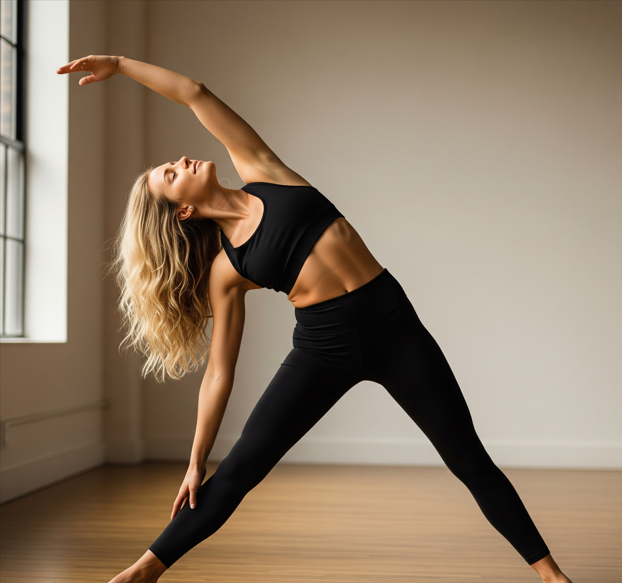
Static Stretching

Static Stretching

The classic hold and-relax method! 🧘‍♂️ Maintain a position for 15-30 seconds to improve flexibility. Perfect for post-workout cooldowns or yoga sessions
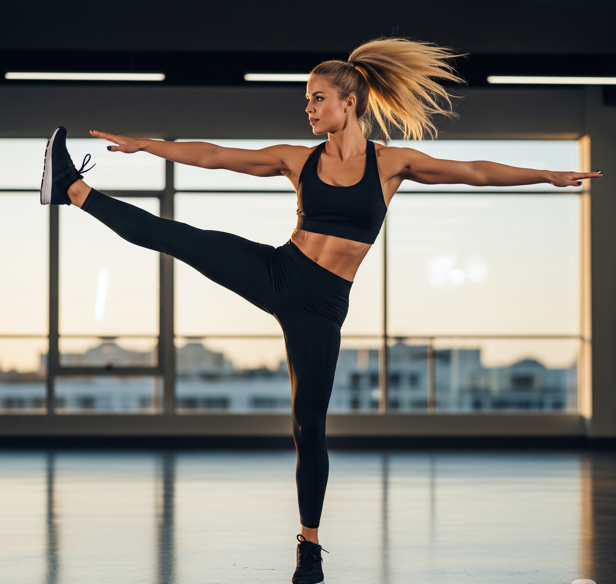
Dynamic stretching

Dynamic Stretching

Get moving before you move! 🏃‍♀️ Controlled swings or lunges prep muscles for activity. Essential for runners, athletes, or gym warm-ups
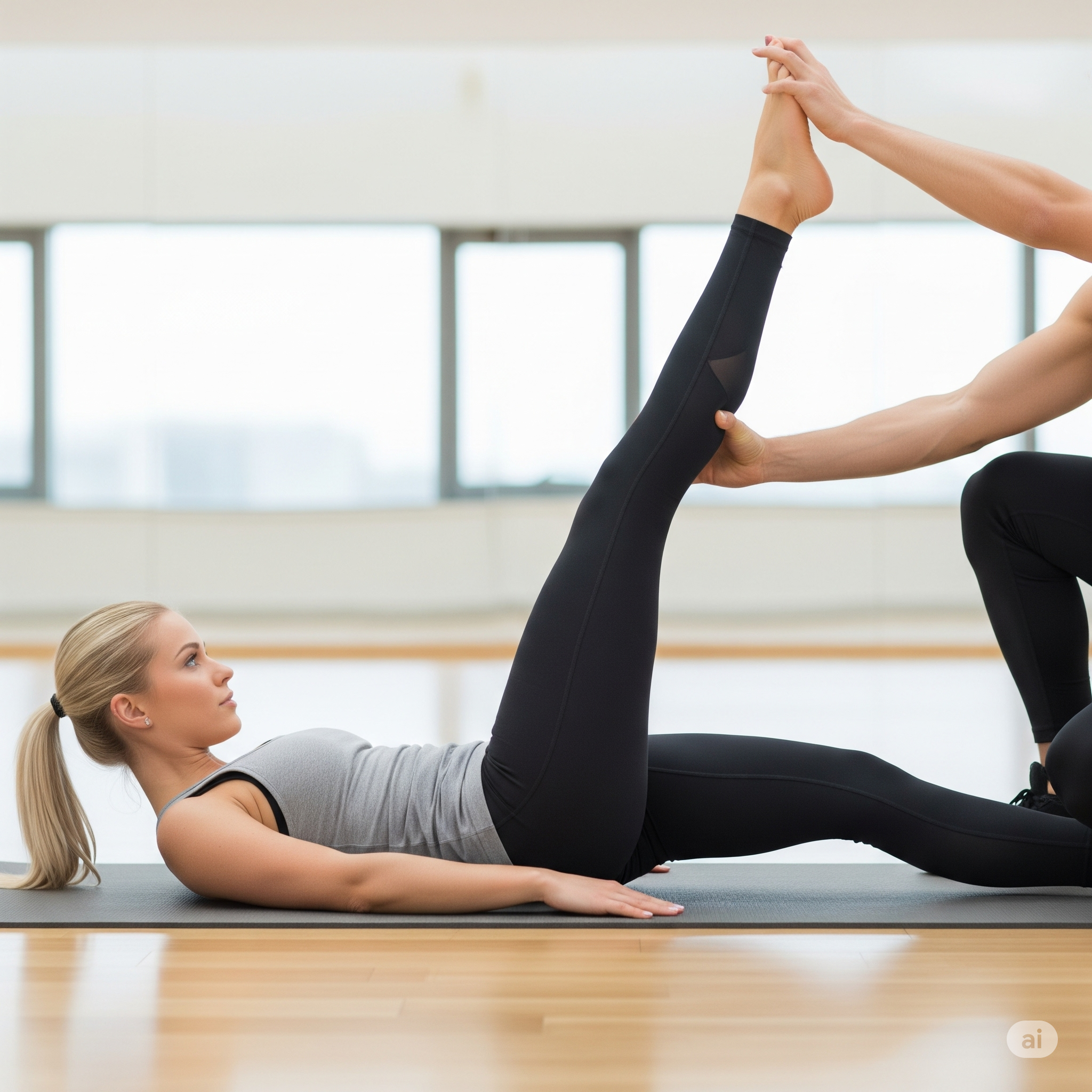
PNF stretching

PNF Stretching

Trainer-approved flexibility booster! 💪 Combines stretching and contracting for deeper gains. Best for rehab or advanced mobility work.
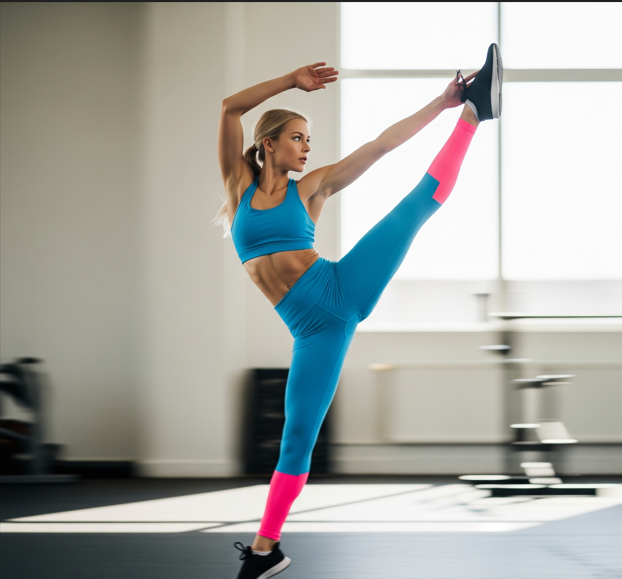
ballistic stretching

Ballistic Stretching

For experienced athletes only! ⚡ Uses gentle bouncing to push limits. Used carefully in sports like gymnastics or martial arts

📝 Types of Stretches & How to Do Them

1️⃣ Static Stretching (Best for cooldowns)

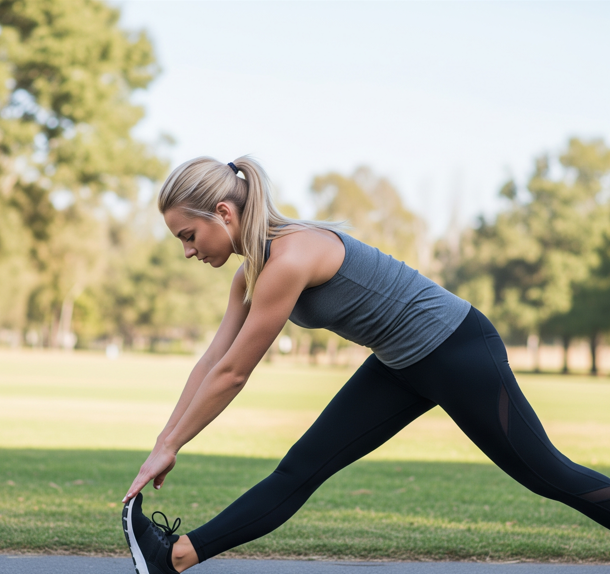
  • Hold a stretch position (e.g., toe touch) for 15-30 seconds
  • Relax into the stretch without bouncing
  • Breathe deeply to deepen flexibility
    Modification: Use a strap for hamstring stretches

2️⃣ Dynamic Stretching (Best for warm-ups)

  • Move through a controlled range of motion (e.g., leg swings)
  • Repeat 10-12 reps per side
  • Gradually increase speed/range
    Example: Arm circles before lifting

3️⃣ PNF Stretching (Advanced flexibility)

  • Stretch a muscle (e.g., the hamstring)
  • Contract against resistance for 5-6 sec
  • Relax and deepen the stretch
    Partner-assisted or use a strap

4️⃣ Ballistic Stretching (For athletes only)

  • Use gentle bouncing motions (e.g., quick toe touches)
  • Only if properly warmed up
  • Not recommended for beginners


Quick Reference Table

Type of Stretch

Best For

Static

Flexibility, Recovery

Dynamic

Warm-ups, Mobility

PNF

Deep flexibility

Ballistic

Athletic performance

Safety Tricks 🛡️

Bounce in static stretches (risk of pulls)

Skip warm-ups before dynamic/ballistic moves

Overstretch to the point of pain

Avoid These Mistakes

Warm up first (5-min light cardio)

✔ Progress slowly – flexibility builds over time

✔ Breathe deeply to relax into stretches

FAQ

What type of stretching is best for beginners?

Static stretching is safest for beginners. Hold gentle stretches for 15-30 seconds without bouncing. Dynamic stretching with controlled movements (arm circles, leg swings) is also excellent before activity. Avoid ballistic stretching until you’ve built a foundation of flexibility.

Before a workout: Use dynamic stretching to warm up muscles and increase blood flow. After a workout: Use static stretching to lengthen muscles and aid recovery. This combination is recommended for exercises like push exercises, pull day exercises, and kettlebell workouts.

Static stretching involves holding a position for 15-30 seconds to lengthen a muscle. Dynamic stretching involves moving through a controlled range of motion to activate muscles and prepare them for activity. Both are essential – just at different times.

PNF stretching is safe when performed correctly, but it’s best suited for those with some stretching experience or those working with a physical therapist. The contraction-relaxation cycle can be intense; start gently. It’s excellent for rehab after physical therapy exercises for headaches or shoulder mobility work.

Absolutely. A well-rounded session might include:

  1. Dynamic stretches to warm up

  2. Static stretches for key tight areas

  3. PNF for specific flexibility goals
    This approach works well within full body stretching and 5-minute daily stretching routine formats.

Quick Tip:

Mix static + dynamic stretches for balanced flexibility like “yin-yang” for your muscles!