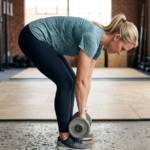
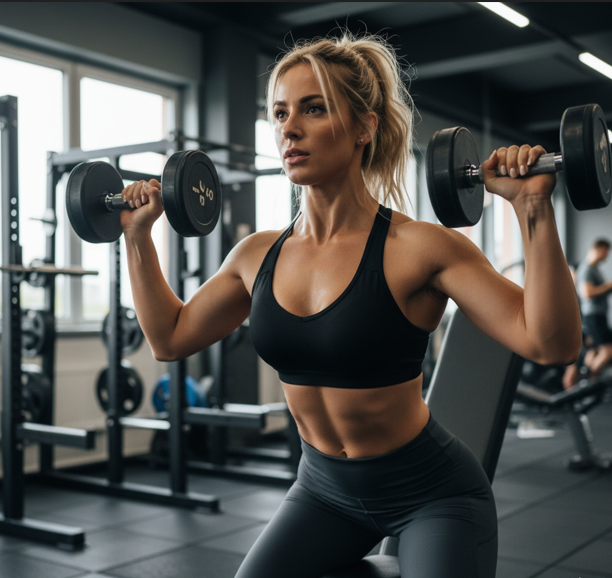
“No gym? No problem! These chest workouts at home target your pectoral muscles using just bodyweight and simple equipment, helping you build strength while improving upper body flexibility and posture.”
If you think you need a bench press or a gym membership to build a strong, defined chest, think again. Your bodyweight and a few household items are all you need to develop impressive pectoral muscles right in your living room.
Chest workouts at home are one of the most effective ways to build upper body strength, improve posture, and enhance pushing power-all without expensive equipment. The key is progressive overload: making exercises harder over time by changing leverage, adding reps, or using household items as weights.
The beauty of home chest training is its accessibility. From incline push-ups against a wall to decline push-ups with feet elevated, you can scale every movement to your fitness level. No bench? Use the floor. No weights? Use water bottles or a backpack filled with books.
For a complete upper body routine, pair chest workouts at home with push exercises, tricep workouts, and shoulder stretch with stick.
🔍 What Chest Workouts at Home Target
Chest workouts at home focus on your pectoralis major and minor, while also engaging your shoulders, triceps, and core. Think of it as “home-based chest development” that builds functional strength while enhancing overall upper body flexibility and mobility!
Unlike machine chest presses that lock you into a fixed path, bodyweight and free-weight variations allow natural movement patterns that engage stabilizer muscles and improve joint health.
✨ Key Benefits of Home Chest Workouts
A strong chest isn’t just for looks – it’s essential for pushing movements, posture, and upper body power. These home workouts build functional strength without expensive equipment.
✅ Builds chest strength and definition without gym equipment
✅ Improves pushing power for daily activities
✅ Enhances upper body flexibility and range of motion
✅ Boosts metabolic rate through compound movements
✅ Supports better posture by strengthening chest and shoulder muscles
✅ No Gym Required – Perfect for home workouts, travel, or when you can’t access equipment
✅ Improves Posture – Strong chest muscles, when balanced with back work, help maintain an upright position
✅ Enhances Athletic Performance – Pushing power is essential for push exercises, kettlebell workouts, and burpees
✅ Builds Functional Strength – Pushing movements translate to real-world activities like moving furniture or pushing a stroller
✅ Scalable for All Levels – From wall push-ups to one-arm push-ups, everyone can participate
Consistency is key. Training your chest 2-3 times per week with progressive overload will transform your upper body strength, posture, and muscle definition over time.
🧠 Anatomy Deep Dive: The Chest Muscles
Chest workouts at home target several important muscles in the upper body:
| Muscle | Location | Function | How Home Chest Work Targets It |
|---|---|---|---|
| Pectoralis Major | Large, fan-shaped muscle covering the upper chest | Adducts and internally rotates the shoulder | Primary mover in all push-up variations |
| Pectoralis Minor | Smaller muscle beneath the major, attaches to ribs | Stabilizes the shoulder blade | Engaged during stabilizing phases |
| Anterior Deltoid | Front of the shoulder | Flexes and internally rotates the shoulder | Assists during pressing movements |
| Triceps Brachii | Back of the upper arm | Extends the elbow | Straightens the arms during push-ups |
| Serratus Anterior | Side of ribcage | Protracts the shoulder blade | Stabilizes during pushing movements |
When you perform chest exercises correctly, you’re not just building visible muscle – you’re strengthening the entire shoulder complex for better function and injury prevention.
For complementary upper body work, explore push exercises, tricep workouts, and chest workouts at home.
👥 Who Should Do Chest Workouts at Home
This routine is ideal for:
-
Beginners – no equipment needed; start with incline push-ups against a wall
-
Busy professionals – workout at home, no commute
-
Travelers – hotel room workouts without gym access
-
Weightlifters – great for active recovery or home sessions
-
Anyone wanting to build upper body strength – push-ups build real-world power
-
Older adults – start with wall push-ups to reduce intensity
-
Anyone who hates gyms – comfortable, private training
-
Postpartum individuals – rebuild upper body strength (consult doctor first)
-
Teenagers – no gym membership required
-
Anyone wanting better posture – balanced chest development supports spinal alignment
It works especially well when combined with back workouts with dumbbells, pull day exercises, and scapular retractions for balanced upper body development.
🏋️ Step-by-Step Chest Workouts at Home
1️⃣ Push-Up Variations 📊
- Standard Push-Ups – 3 sets of 10-15 reps
- Hands shoulder-width apart, maintain a straight body line
- Lower until the chest nearly touches the floor
- Push back to start with control
- Incline Push-Ups – 3 sets of 12-15 reps
- Hands on elevated surface (chair, table)
- Easier variation for beginners
- Great for building initial chest flexibility
2️⃣ Dip Variations 🔽
- Chair Dips – 3 sets of 10-12 reps
- Hands on chair behind you, legs extended
- Lower body by bending the elbows
- Push back up to the starting position
- Bench Dips – 3 sets of 12-15 reps
- Use two sturdy chairs or surfaces
- Increases range of motion for better flexibility
3️⃣ Chest Fly Variations 🦋
- Floor Chest Fly – 3 sets of 12-15 reps
- Lie on your back with light weights or water bottles
- Arms extended above chest, lower out to sides
- Squeeze chest to return to the start
Modifications:
- Beginner: Knee push-ups, shorter ranges, reduced reps
- Advanced: Add resistance bands, decline push-ups, plyometric variations
Quick Reference Table
| Exercise | Primary Muscles | Difficulty | Equipment | Key Benefit |
|---|---|---|---|---|
| Standard Push-Up | Chest, shoulders, triceps, core | Intermediate | None | Foundational chest strength |
| Incline Push-Up | Chest (lower focus), shoulders, triceps | Beginner | Chair or table | Easier progression |
| Decline Push-Up | Chest (upper focus), shoulders, triceps | Intermediate to Advanced | Chair or step | Upper chest emphasis |
| Chair Dips | Lower chest, triceps, shoulders | Intermediate | Sturdy chair | Triceps and lower chest |
| Floor Chest Fly | Pectoralis major | Beginner to Intermediate | Light weights or water bottles | Chest stretch and contraction |
⚠️ Safety Tips & Common Mistakes
🚫 Don’ts
✖ Let hips sag during push-ups (keep core tight!)
✖ Lock elbows abruptly at the top (maintain slight bend!)
✖ Rush through movements (control beats speed!)
✅ Do’s
✔ Warm up with arm circles and dynamic stretches
✔ Focus on the mind-muscle connection with each rep
✔ Allow 48-hour recovery between chest sessions
FAQs❓
Q: Can you build chest muscle with home workouts?
A: Absolutely! Chest workouts at home using progressive overload (more reps, harder variations) can build significant muscle while improving upper body flexibility.
Q: What’s the best home chest exercise for beginners?
A: Start with incline push-ups against a wall or table. This builds strength and flexibility while mastering proper form before progressing to floor push-ups.
Q: How often should I do chest workouts at home?
A: 2-3 times weekly with rest days between sessions allows for muscle recovery while maintaining optimal chest flexibility and growth.
Q: Do I need equipment for effective home chest workouts?
A: While bodyweight works great, adding resistance bands or household items (water bottles, backpack with books) increases intensity and flexibility challenges.
Q: How does a chest wall stretch improve posture and flexibility?
A: The chest wall stretch directly counters the forward shoulder rounding caused by desk work and phone use. By opening up your pectoral muscles and anterior shoulder capsule during this chest wall stretch, it restores balance to your upper body, allowing your shoulders to sit in their natural position and dramatically improving both posture and flexibility through consistent chest wall stretch practice.
🌟 Pro Tip
Create a Progressive Challenge: Each week, aim to add 2-3 more reps per set or advance to a harder variation. This consistent progression builds chest strength while maintaining optimal upper body flexibility and Pair your chest workouts with the Knees to Chest Stretch to maintain spinal flexibility and prevent lower back tension from upper body training! 💪🧘♂️