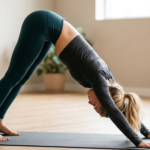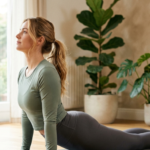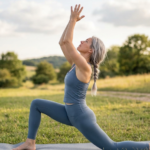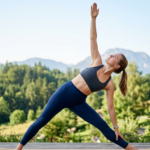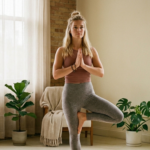
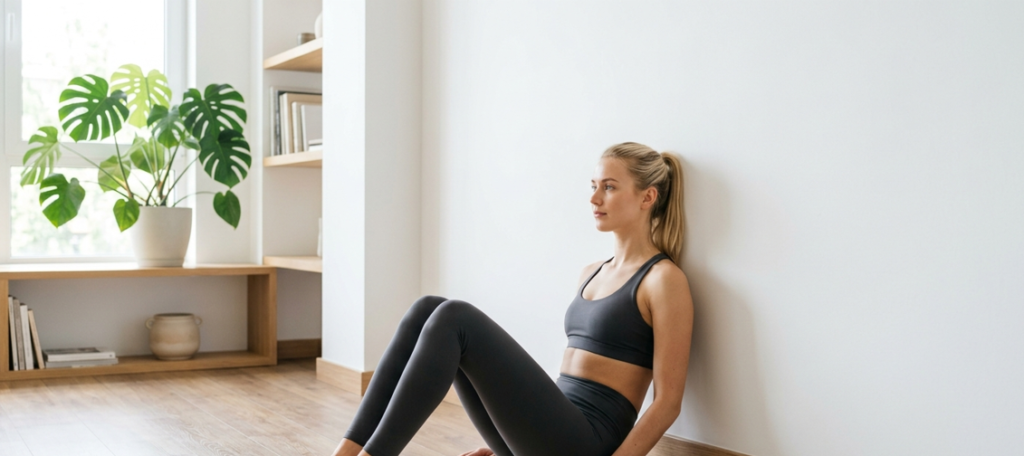
Wall Pilates is taking the fitness world by storm, and for good reason! This innovative approach transforms a simple wall into your personal Pilates studio, offering a low-impact, highly effective way to build core strength, improve flexibility, and enhance overall body awareness. But what is wall pilates, exactly? It’s a variation of traditional Pilates that uses a wall for support, resistance, and balance, making classic exercises more accessible, especially for beginners. This exercise, the “Legs Up the Wall” stretch, is a staple of any wall Pilates workout and a perfect example of how the wall can safely deepen a stretch. It’s a gentle yet powerful move that targets the lower back, hamstrings, and hips, making it an ideal way to decompress the spine and release tension. By integrating this into your routine, you’ll quickly understand why wall pilates exercises are lauded for their ability to soothe and strengthen the body simultaneously. Let’s explore why this move should be a cornerstone of your wall pilates for beginners or advanced routine.
✨ Key Benefits
Why should you incorporate this Wall Pilates move into your life? Here are the standout benefits:
-
💆♀️ Deeply Relaxes the Lower Back: By reversing gravity’s pull, this stretch helps decompress the spine, relieving lower back tension, a common issue for those who sit for long periods .
-
🦵 Increases Hamstring and Hip Flexibility: The wall provides a safe, controlled environment to gently lengthen the hamstrings and open the hips, significantly boosting overall flexibility .
-
🧘 Improves Posture & Alignment: Using the wall as a guide helps align your spine and pelvis, correcting imbalances and promoting a healthier posture over time .
-
🩸 Enhances Circulation: Elevating your legs above your heart encourages venous return, aiding blood circulation and helping to reduce swelling in the feet and ankles .
-
😌 Promotes Stress Relief and Relaxation: This restorative pose is a perfect way to calm the nervous system, making it a fantastic addition to any evening wall pilates challenge or cool-down routine .
📝 Step-by-Step Instructions
Follow these simple steps to perform the “Legs Up the Wall” stretch safely and effectively.
The Stretch: Legs Up the Wall
-
Find Your Spot: Sit sideways on your mat, with your right hip and shoulder as close to the wall as possible.
-
Swing Up: Gently swing your legs up the wall as you lower your back and head to the mat. Your body should form an “L” shape. Your sitting bones should be close to the wall, but not pressed directly against it .
-
Find Comfort: Rest your arms out to your sides, palms facing up. Relax your neck and jaw.
-
Breathe and Hold: Close your eyes and focus on your breath. Stay in this position for 2 to 5 minutes, or as long as it feels comfortable.
Modifications & Progressions:
-
Beginner: If the stretch feels too intense in your hamstrings, scoot your hips slightly away from the wall. You can also place a folded blanket or pillow under your hips for extra support and to lessen the stretch .
-
Advanced/Challenge: For a deeper stretch, press your hips closer to the wall before lifting your legs. You can also gently flex your toes and press your heels into the wall to actively engage your leg muscles and deepen the hamstring stretch. This is where you can truly start to do wall pilates work at a higher level .
🔒 Safety Tricks & Common Mistakes to Avoid
To get the most out of your Wall Pilates session and prevent injury, keep these tips in mind:
Safety Tricks 🦺:
-
Warm Up First: Never start a stretch cold. Do a few minutes of gentle movement like neck rolls or marching in place to get blood flowing to your muscles.
-
Listen to Your Body: This should feel like a gentle, relaxing stretch. If you feel any sharp pain, tingling, or numbness, carefully come out of the pose. As one source notes, not getting live feedback can increase injury risk if you’re not careful .
-
Go Barefoot: Avoid slippery socks, which can cause your feet to slide and compromise your form. Practice barefoot or with grip socks for better stability .
Common Mistakes 😬:
-
Tensing the Neck or Shoulders: Your neck should be completely relaxed. If you feel tension, place a small rolled towel under your neck for support.
-
Arch Your Lower Back: Your lower back should have a gentle, natural curve but not be overly arched. If you feel strain, move slightly away from the wall.
-
Holding Your Breath: Breathing is fundamental to Pilates. Focus on slow, deep breaths to enhance relaxation and the release of tension.
-
Using a Wall That’s Too Cold: A chilly wall can cause muscles to contract. Place a blanket or mat between your back and the wall to stay warm and comfortable.
📊 Quick Reference Table
| Muscle Groups Worked | Difficulty Level |
|---|---|
| Hamstrings, Glutes, Lower Back, Hips, Core (for stabilization) | Beginner-Intermediate |
🙋♀️ FAQ’s
Q: Can wall Pilates help with back pain?
A: Yes, it can! Wall Pilates exercises, like the legs-up-the-wall stretch, are excellent for relieving lower back tension and improving spinal mobility. By gently stretching the hamstrings and lower back, they help reduce pressure on the spine, which can be beneficial for managing lower back pain .
Q: Does wall Pilates actually work for weight loss?
A: While Wall Pilates may not be a high-intensity cardio workout, it does help build lean muscle mass. More muscle increases your resting metabolism, which is key for fat loss. It can be an effective part of a weight loss plan when combined with a healthy diet and consistent practice .
Q: What’s the difference between Wall Pilates and traditional Pilates?
A: Traditional mat Pilates uses only your body weight on the floor. Wall Pilates incorporates a wall for support, resistance, and feedback. The wall acts as a prop, similar to a Pilates wall or foot bar on a reformer, which can make exercises more accessible for beginners and help with proper alignment and form .
Q: Do wall pilates work if I’m a complete beginner?
A: Absolutely! Wall pilates for beginners is one of its biggest selling points. The wall provides stability and support, making it easier to learn the proper form and safely build foundational strength and flexibility before progressing to more challenging mat or reformer work .
💡 Quick Final Tip
For a transformative experience, pair this stretch with the classic Pilates Hundred. While this stretch releases tension, the Hundred activates your core. Try doing 5 pumps of the Hundred to build heat, then sink into this stretch to reap the rewards of both strength and flexibility