Core Stretch

Core Exercises to Strengthen and Stretch

Our core isn’t just for strength, it needs stretching too! Learn how to stretch your core to improve mobility, ease tightness, and boost overall flexibility.

This Core Stretch focuses on the abdominals, obliques, hip flexors, and lower back, making it ideal for relieving stiffness caused by sitting, workouts, or poor posture.

💪 Key Benefits of Core Stretches 

Relieves lower back pain (great for desk workers!)

Improves flexibility for better movement & posture

Reduces stiffness from workouts or long sitting

Enhances core mobility for daily activities & fitness

Promotes relaxation by releasing tension

Core Stretch

Core Stretches

Exercises to improve your core strength

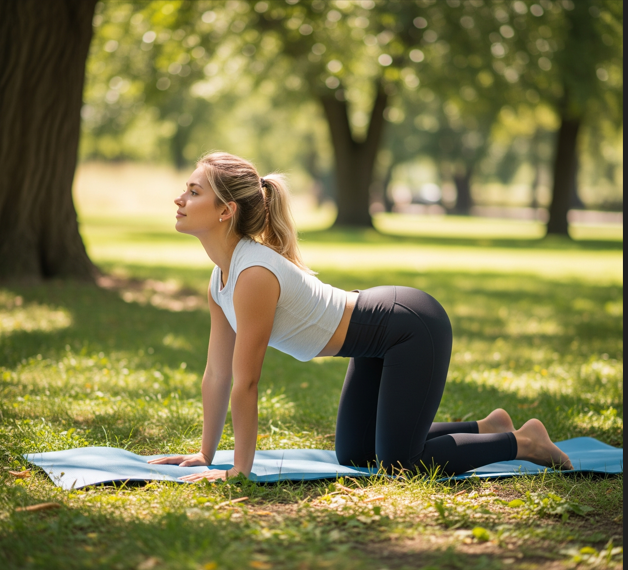
Cat Cow Stretch

Seated Cat-Cow Stretch

The perfect desk-friendly core release! Gently alternate between arching and rounding your spine while seated to relieve tension in your abs and lower back. Ideal for quick office breaks or post-workout cooldowns.
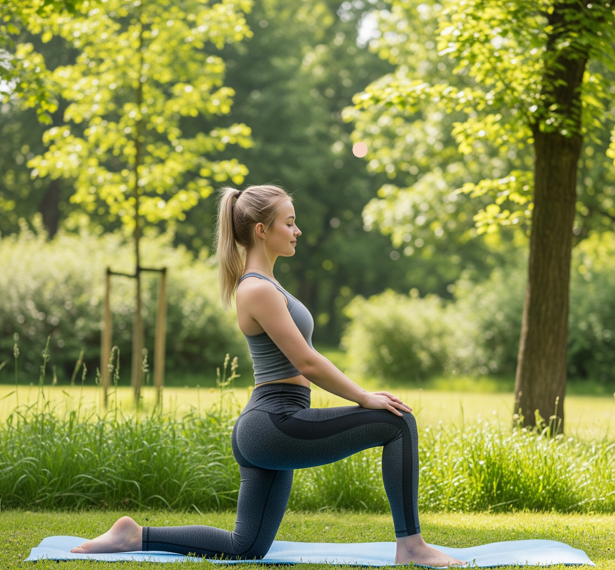
Kneeling Hip Flexor

Kneeling Hip Flexor

The perfect desk-friendly core release! Gently alternate between arching and rounding your spine while seated to relieve tension in your abs and lower back. Ideal for quick office breaks or post-workout cooldowns.
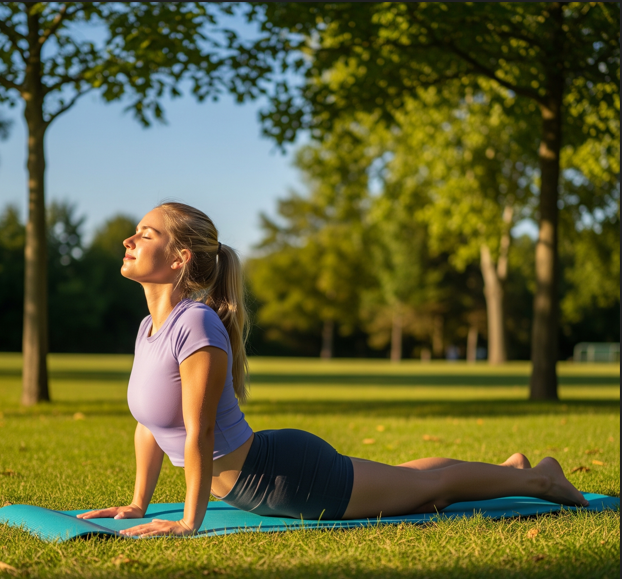
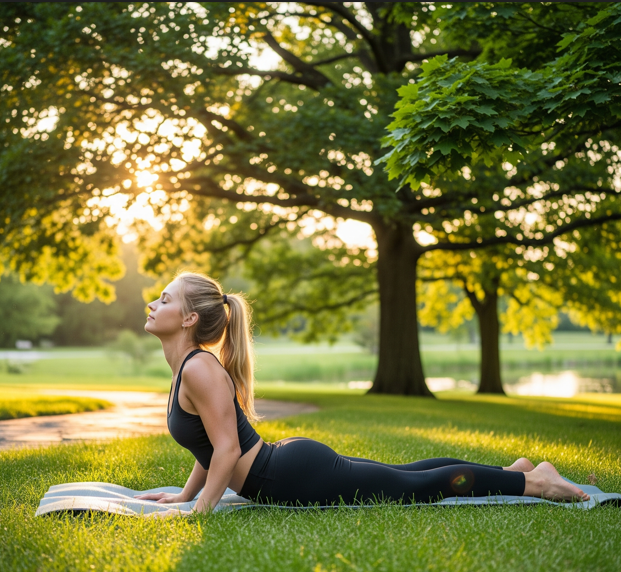
Cobra Stretch

Cobra Stretch

Your spine's best friend! This yoga-inspired stretch lengthens tight abs while strengthening your lower back. Perfect for counteracting hunching over phones or computers.
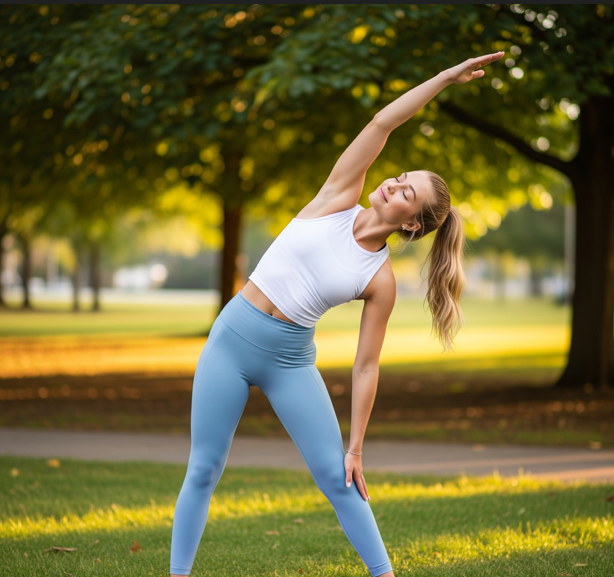
Side bend stretch

Side Bend

The ultimate waist whittler! This simple stretch targets your side abs (obliques) to improve flexibility and relieve stiffness from twisting movements. Try it after golf, tennis, or yard work!

📝 Step-by-Step Guide: How to Stretch Your Core

1️⃣ Seated Cat-Cow Stretch (Beginner-Friendly)

  • Sit tall, hands on knees.
  • Inhale, arch back (chest forward – “Cow”).
  • Exhale, round spine (tuck chin – “Cat”).
  • Repeat 8-10 times.

2️⃣ Kneeling Hip Flexor & Core Stretch (Deep Stretch)

  • Kneel in a lunge, one foot forward.
  • Tuck pelvis, lift arms overhead, lean back slightly.
  • Hold 20-30 sec per side.

3️⃣ Cobra Stretch (Opens Abs & Strengthens Back)

  • Lie face down, hands under your shoulders.
  • Lift chest, keep hips down.
  • Hold 15-20 sec.

4️⃣ Side Bend (Oblique Stretch) (For Waist Flexibility)

  • Stand tall, reach one arm overhead.
  • Lean sideways, hold 15-20 sec.
  • Switch sides.

Quick Reference Table

Muscles Worked

Difficulty Level

Abdominals

Beginner to Advanced

Obliques

Adjustable Intensity

Hip Flexors

Moderate

Lower Back

Beginner-Friendly

Safety Tricks 🛡️

✔ Warm up first (light movement)

✔ Progress gradually (don’t force it)

✔ Listen to your body (stop if sharp pain)

Avoid These Mistakes

Overarching the lower back (engage core!)

Bouncing in stretches (slow & controlled)

✖ Holding breath (breathe deeply)

👥 Who Should Do Core Stretches?

🪑 Desk Workers

Why It’s Essential:

  • Sitting for hours shortens your hip flexors and compresses your lower back

  • Your core becomes “stuck” in a flexed position

  • Without stretching, this adaptive shortening becomes permanent

How It Helps:

  • ✅ Counteracts the “sitting curl” that tightens your front body

  • ✅ Releases lower back tension from prolonged sitting

  • ✅ Improves standing posture instantly

  • ✅ Pairs perfectly with cat cow stretch for complete spinal mobility

🏋️ Weightlifters and Gym-Goers

Why It’s Essential:

  • Heavy compound lifts (squats, deadlifts) compress and tighten the core

  • Six-pack abs without flexibility = restricted movement

  • Tight core limits rotation and extension

How It Helps:

  • ✅ Restores normal length to overworked abs

  • ✅ Improves depth in squats through better hip mobility

  • ✅ Balances front and back core strength

  • ✅ Complements cobra stretch for complete anterior chain release

🏃 Runners

Why It’s Essential:

  • Running repeatedly contracts the core in a flexed position

  • Tight core limits rotation and arm swing

  • Compensations lead to lower back and hip pain

How It Helps:

  • ✅ Maintains rotational range for efficient arm swing

  • ✅ Reduces lower back tightness after long runs

  • ✅ Improves breathing through released abdominal tension

🧘 Yoga Practitioners

Why It’s Essential:

  • Many poses require core flexibility (backbends, twists)

  • Tight core limits depth in these expressions

  • The core connects the upper and lower body

How It Helps:

  • ✅ Deepens expression of backbends like Cobra and Wheel

  • ✅ Improves comfort in seated twists

  • ✅ Prepares the body for inversions through core release

  • ✅ Complements thread the needle stretch for upper back mobility

👴 Older Adults

Why It’s Essential:

  • Core flexibility naturally decreases with age

  • Stiff core contributes to the “stooped” posture

  • Maintaining mobility preserves independence

How It Helps:

  • ✅ Maintains ability to bend, twist, and reach

  • ✅ Reduces age-related lower back stiffness

  • ✅ Improves balance through better core control

  • ✅ Gentle enough with chair support

  • ✅ Always consult a healthcare provider first

📅 Daily Core Stretch Routine

🌅 Morning Wake-Up (4 minutes)

Upon Waking:

  • Cat Cow Stretch: 60 seconds (8-10 slow rounds) to wake up your entire spine

  • Child’s Pose: 60 seconds to let your back lengthen

  • Standing Side Bend: 30 seconds per side to wake up your obliques

  • Gentle Spinal Twist: 30 seconds per side lying in bed

Why Morning Matters: Your core shortens overnight while you sleep. Morning stretching resets your posture for the day ahead.

🪑 Desk Break Routine (2 minutes)

Mid-Morning (10-11am):

  • Seated Spinal Twist: 30 seconds per side right at your desk

  • Standing Side Bend: 30 seconds per side while waiting for coffee

After Lunch (1-2pm):

  • Cat Cow Stretch: 60 seconds (can be done seated on a chair)

  • Child’s Pose at Desk: 30 seconds (hands on desk, walk them forward)

Late Afternoon (3-4pm):

  • Standing Side Bend: 30 seconds per side

  • Hip Flexor Stretch: 30 seconds per side against a wall

🏋️ Pre/Post-Workout Integration

Before Workout (Dynamic Warm-Up):

  • Cat Cow Stretch: 60 seconds to mobilize the spine

  • Standing Side Bends: 10 per side, moving with breath

  • Gentle Spinal Twists: 30 seconds per side

After Workout (Static Stretch):

  • Cobra Stretch: 45 seconds, 2 rounds

  • Thread the Needle Stretch: 45 seconds per side

  • Child’s Pose: 60-90 seconds for full release

  • Seated Spinal Twist: 45 seconds per side

🌙 Evening Wind-Down (3 minutes)

After Dinner:

  • Child’s Pose: 60 seconds to release the day

  • Cat Cow Stretch: 5 slow rounds

  • Gentle Hip Flexor Stretch: 30 seconds per side

Before Bed:

  • Reclined Spinal Twist: 30 seconds per side lying on your back

  • Deep Breathing: 5 breaths, imagining tension leaving your core

FAQ's

Q1: How often should I stretch my core?

A: For general maintenance, 3-5 times weekly is ideal. If you have chronic back tightness or do a lot of core strengthening, daily gentle stretching produces the best results. Even 3-5 minutes daily makes a significant difference.

A: Absolutely! Many cases of lower back pain involve tight core muscles pulling on the spine. The combination of cat cow stretchchild’s pose, and hip flexor stretch often provides significant relief.

A: Both! Before workouts, use dynamic stretches like cat cow stretch and gentle standing side bends to warm up. After workouts, use static stretches like cobra stretch and thread the needle stretch to cool down and maintain flexibility.

A: For general flexibility, 20-30 seconds is sufficient. For deeper release, work up to 45-60 seconds. In poses like child’s pose, longer holds (60-90 seconds) are deeply therapeutic.

A: Stretching won’t reduce fat, but it can improve posture (making you look taller and leaner) and release tight obliques that sometimes create a “blocky” appearance. Combined with core strengthening and overall fat loss, it contributes to a more defined waist.

Quick Tip:

Pair core stretches with deep breathing for better flexibility & relaxation!