Introduction
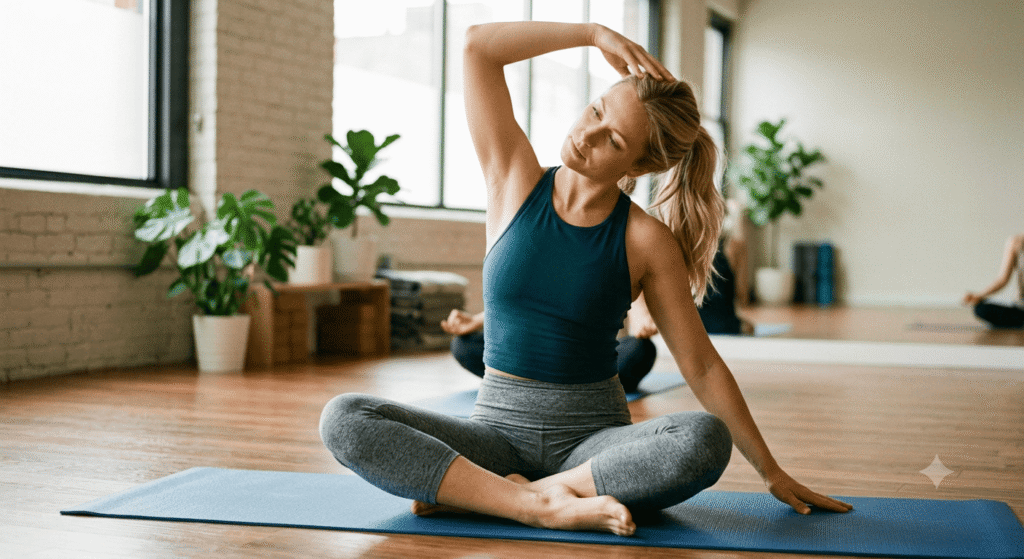
Does your neck feel like it’s carrying the weight of the world? 🤔 You’re likely feeling the tension in your scalenes. This scalene stretch is specifically designed to target the three pairs of muscles running down the side of your neck, releasing built-up tightness and restoring essential flexibility to your upper body. By incorporating this scalene muscle stretch into your routine, you can say goodbye to that “tech-neck” stiffness and hello to a lighter, freer feeling.
Key Benefits of Scalene Stretching 🌟
Integrating scalene stretching exercises into your day offers a cascade of benefits for both your body and mind:
-
Relieves Stiff Neck & Tension Headaches: Releasing these muscles can significantly reduce the tension that often leads to nagging headaches. 🙅♀️
-
Improves Posture: Tight scalenes pull your head forward. Stretching them helps realign your head over your shoulders, improving your overall posture.
-
Enhances Breathing: The scalenes assist in lifting the rib cage during inhalation. Stretching them can improve your flexibility and allow for deeper, more effortless breaths. 🫁
-
Reduces Referred Pain: Scalene tightness can cause pain that radiates down your arm and into your fingers. Stretching can alleviate this nerve compression.
-
Increases Range of Motion: Enjoy greater flexibility and ease when turning your head to check blind spots or looking over your shoulder.
-
Calms the Nervous System: Like many neck stretches, focusing on this area can help release stored stress and promote a sense of calm.
Step-by-Step: How to Stretch Scalenes Effectively ✅
Here’s how to properly perform scalene muscle stretching. Remember to move slowly and breathe deeply throughout.
The Basic Seated Scalene Stretch
-
Start Position: Sit up straight in a chair with your feet flat on the floor. Let your arms hang down by your sides, relaxing your shoulders away from your ears.
-
The Setup: Gently tilt your head to the right, bringing your right ear toward your right shoulder. Stop when you feel a mild stretch.
-
The Action (Anterior & Middle): From this tilted position, gently drop your chin down toward your collarbone. You should feel a more intense stretch down the front and side of your neck. Hold for 20-30 seconds.
-
The Action (Posterior): To stretch the back of the scalenes, simply look slightly upward and to the left while your head is still tilted right.
-
Switch Sides: Slowly return to the center and repeat on the left side.
Modifications for Different Levels
-
🧘 Beginner: Keep the movement very small. If you feel pain, ease up on the stretch. You can also use your hand to gently press down on the top of your head for a slightly deeper, but controlled, stretch anterior scalene.
-
💪 Advanced: To deepen the middle scalene stretch and posterior scalene stretch, take the hand on the same side as the tilt and grab the edge of your chair. This locks your shoulder in place, allowing for a more effective stretch.
Quick Reference Table: At a Glance 📋
| Muscle Groups Targeted | Difficulty Level |
|---|---|
| Primary: Anterior, Middle, & Posterior Scalene Muscles. Secondary: Sternocleidomastoid (SCM) and upper trapezius. |
Beginner to Intermediate |
🛡️ Safety First: Common Mistakes & Safety Tricks
Avoid these common pitfalls to make your scalene stretching safe and effective.
Common Mistakes 🚫
-
Bouncing: Never bounce in the stretch. This can cause micro-tears in the muscle. Hold the position statically.
-
Overstretching: You want a feeling of tension, not sharp pain. If it hurts, you’ve gone too far.
-
Shrugging Your Shoulder: Keep your shoulders relaxed and down. Shrugging defeats the purpose of isolating the scalene muscles.
-
Holding Your Breath: This increases tension. Breathe slowly and deeply to help the muscle relax into the stretch.
Safety Tricks 🦺
-
Warm Up First: Gently roll your shoulders or apply a warm compress to the area before you stretch the anterior scalene or the other heads.
-
Go Slow: Move into the stretch with the speed of a sloth, not a cheetah. 🦥 This gives your muscles time to adapt.
-
Start Small: It’s better to do a mild stretch perfectly than a deep one incorrectly. Gradually increase the range of motion as your flexibility improves.
-
Listen to Your Body: The most important trick. If a movement feels “off,” stop and consult a professional.
Causes of Scalene Pain
Understanding the root cause can help you prevent it. Scalene pain is often caused by:
-
Poor Posture: “Text neck” or hunching over a computer is the primary culprit.
-
Stress & Anxiety: We tend to hold tension in our shoulders and neck.
-
Overuse: Activities that require repetitive neck movements or heavy lifting.
-
Sleeping Position: Sleeping with a pillow that’s too high or low can strain these muscles overnight.
🙋 Frequently Asked Questions
Here are the most-searched questions about scalene stretches and how to stretch the scalenes effectively.
1. How often should I do a scalene stretch?
For best results, perform scalene stretching exercises 2–3 times daily, especially if you work at a desk or spend long hours on your phone. Hold each stretch for 20–30 seconds and repeat 2–3 times per side. Consistency is key to improving flexibility and preventing tightness from returning.
2. Can scalene stretching help with jaw pain or TMJ?
Yes! The scalenes are closely connected to the jaw and temporomandibular joint (TMJ). Tight scalenes can contribute to jaw clenching and tension headaches. A gentle scalene muscle stretch can help release this tension and relieve TMJ-related discomfort.
3. Is it safe to stretch scalenes if I have a pinched nerve?
⚠️ Proceed with extreme caution. If you have a diagnosed pinched nerve, consult your physical therapist or doctor before attempting any scalene stretches. In some cases, stretching can aggravate the nerve. Always stop immediately if you feel sharp, shooting, or electric-shock-like pain.
4. What’s the difference between anterior, middle, and posterior scalene stretches?
-
Anterior Scalene Stretch: Head tilted sideways with chin tucked down toward the collarbone.
-
Middle Scalene Stretch: Similar to anterior but with a slight forward head position.
-
Posterior Scalene Stretch: Head tilted sideways with the chin lifted slightly upward and rotated away.
Each targets a different head of the scalene muscle group. The seated scalene stretch variation typically combines all three.
5. Can I do scalene stretching while standing?
Absolutely! The seated scalene stretch is most common, but you can also perform it standing. Simply stand tall with your feet hip-width apart, keep your spine straight, and follow the same head-tilting and chin-tucking movements. Standing may even help you feel the stretch more deeply.
6. Why do my scalenes feel tight even after stretching?
Scalene tightness often returns due to ongoing poor posture, stress, or weak supporting muscles. Stretching alone may not be enough. Consider combining scalene stretching exercises with strengthening exercises for your upper back and deep neck flexors, along with ergonomic adjustments to your workspace.
⚡ Quick Tip: Make Scalene Stretching a Daily Habit
Set a “Posture Alarm” on your phone for every 45–60 minutes. When it goes off, take just 60 seconds to perform a quick scalene stretch right at your desk. Simply tilt your head, tuck your chin, and breathe deeply. This micro-habit prevents muscle buildup before it even starts, keeping your neck feeling light, loose, and pain-free throughout the day. 🕒✨
Pair this with a quick shoulder roll and a deep breath, and you’ve just hit the reset button on your neck tension. Your future self will thank you! 🙌