Introduction
Welcome to the world of spinal rejuvenation! The Cobra pose, known in Sanskrit as Bhujangasana, is a foundational backbend that mimics the graceful, upward swoop of a serpent. This powerful yoga cobra pose is the quintessential antidote for a spine hunched over screens all day. It’s a gentle yet profound stretch that targets your entire back body, from the base of your spine to the crown of your head, working to counteract the effects of modern sedentary life. Think of it as a delicious, full-body yawn for your vertebrae, waking up every muscle and nerve along your spinal column. By integrating this cobra pose stretch into your routine, you are not just improving flexibility; you are actively investing in your long-term spinal health and posture. Whether you are a seasoned yogi or a complete beginner, this pose offers a world of benefits that extend far beyond the physical.
🤸♀️ Key Benefits of Cobra Pose
Embracing the cobra pose in yoga offers a treasure trove of benefits for both your body and mind. Here’s what you can expect to gain:
-
🐉 Strengthens the Spine & Core: This pose powerfully strengthens the muscles along your spine, while also toning the abdominal and gluteal muscles, creating a supportive “girdle” for your lower back.
-
🧘♀️ Boosts Mood & Reduces Stress: By opening the chest and expanding the lungs, Cobra Pose invigorates your nervous system. This heart-opening action helps alleviate stress, anxiety, and fatigue, leaving you feeling more energized and positive.
-
🩹 Alleviates Lower Back Pain: A consistent Cobra Pose practice can be incredibly therapeutic for mild lower back pain by stretching and strengthening the back muscles, improving the flexibility and health of your entire spine.
-
🫁 Improves Posture & Respiratory Function: By opening the chest and shoulders, the pose counteracts the “computer slouch.” This improved posture allows your lungs to expand more fully, leading to deeper and more efficient breathing.
-
🔄 Stimulates Abdominal Organs: The gentle compression and stretch in the abdomen stimulate the digestive organs and reproductive systems, helping to improve overall digestive health and function.
👣 How to Do Cobra Pose: A Step-by-Step Guide
Follow these instructions to safely and effectively perform the cobra pose stretch. Listen to your body and move with your breath.
-
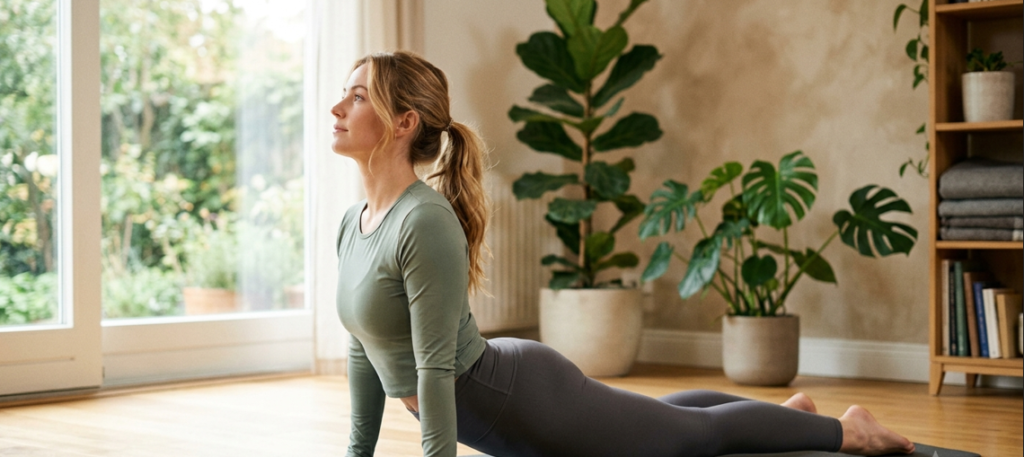
🌅 Start Lying Down: Lie flat on your stomach on your yoga mat. Rest your forehead on the mat, and place your hands palm-down directly underneath your shoulders. Your elbows should be bent and pointing straight back, hugging your ribcage. Your legs should be active, with the tops of your feet pressing firmly into the mat.
-
🌬️ Engage & Inhale: On an inhalation, gently press your hands into the mat and begin to lift your chest and head off the floor. Use your back muscles to initiate the lift, not just your arms. Keep your gaze forward and slightly down to protect your neck.
-
🦴 Lift & Lengthen: Press your pubic bone firmly into the floor to lengthen your lower back and avoid compression. Lift your chest up and forward, as if you are trying to slide your shoulders forward away from your hips. Keep your lower ribs on the floor for a gentle backbend.
-
❤️ Open Your Heart: Roll your shoulders back and down, away from your ears, to open your chest. Feel the expansion in your heart space and the gentle stretch in your abdomen.
-
😮💨 Exhale & Release: Stay in the pose for 4-5 deep breaths. To release, exhale as you slowly lower your torso back to the mat, one vertebra at a time. Turn your head to one side and rest.
Modifications for Every Body
-
For Beginners & Those with Lower Back Issues: Keep your elbows slightly bent, lifting only to a very low height. Focus on lengthening the spine rather than bending deeply. This is a great time to think about the cat cow stretch for a gentler spinal warm-up.
-
For Advanced Practitioners: For a deeper backbend, straighten your arms, lifting your lower ribs and belly off the floor. Ensure the lift comes from a lengthened spine, not just pushing into the lower back. To deepen the hip and groin opening, you can practice the frog pose or frog stretch beforehand to prepare the hips.
📊 Quick Reference Table
| Muscle Groups Worked | Difficulty Level |
|---|---|
| Primary: Erector Spinae, Gluteus Maximus, Triceps | Beginner to Intermediate |
| Secondary: Abdominals (stretched), Pectorals (stretched), Quadriceps (active) | The pose can be easily modified to suit all levels, making it an accessible backbend for everyone. |
🛡️ Safety & Common Mistakes
To ensure your practice is safe and effective, keep the following in mind:
🔥 Common Mistakes
-
Relying on Your Arms: Pushing up with your hands and arms instead of using your back muscles. Fix: Imagine you are pulling your chest forward with your back muscles, using your hands only for light support.
-
Overarching the Lower Back: Shoving the hips upward, compressing the lumbar spine. Fix: Press your pubic bone down and lengthen your tailbone toward your heels to protect your lower back.
-
Straining the Neck: Craning your neck to look up at the ceiling. Fix: Keep your neck in line with the rest of your spine, gazing slightly forward and down.
🛡️ Safety Tricks
-
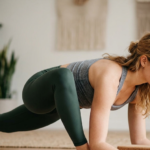
👉 Warm-Up First: Always prepare your spine with gentler stretches like the cat cow stretch or the thread the needle stretch before moving into a backbend.
-
😮💨 Breathe: Your breath is your guide. If your breath becomes shallow or strained, you have gone too far. Reduce your lift and focus on smooth, deep inhales and exhales.
-
🔑 Hip Check: If you have a history of severe back injury, herniated discs, or carpal tunnel syndrome, avoid this pose or practice only under the guidance of an experienced instructor.
-
🧘♀️ Listen to Your Body: The goal is a feeling of a comfortable “stretch,” not a sharp “stab.” Honor your body’s limits and do not force yourself deeper than what feels good.
❓ Frequently Asked Questions (FAQ)
Q1: What is the difference between a Cobra Pose (Bhujangasana) and an Upward-Facing Dog (Urdhva Mukha Svanasana)?
A: This is a common question. In cobra pose yoga, the legs, hips, and thighs remain on the floor, and the arms are generally bent. In Upward-Facing Dog, the legs and hips are lifted off the floor, and the arms are straight, creating a more intense backbend that requires more arm and core strength. Think of Cobra as the gentler sibling.
Q2: How can I use the Cobra Pose to improve my flexibility?
A: While primarily a strengthening pose, how to do cobra pose effectively also stretches the front body (abdominals, chest, and hip flexors). This expansion in the front body, combined with the strengthening of the back body, increases overall spinal flexibility and mobility, which is key for a healthy, pain-free back.
Q3: Who should avoid practicing the Cobra Pose?
A: While the cobra pose stretch is generally safe for most, it should be avoided by those with severe spinal injuries (like a herniated disc), carpal tunnel syndrome, recent abdominal surgeries, or headaches. Always consult with a healthcare provider if you have a pre-existing condition.
Q4: Can the Cobra Pose help with lower back pain from sitting all day?
A: Yes, absolutely! It is a powerful counter-pose for the forward-hunched posture many of us adopt at desks. By strengthening the back muscles and opening the chest, it directly addresses and alleviates the muscular imbalances that cause chronic lower back pain. The improved flexibility and strength you gain in the spine are crucial for combating the effects of prolonged sitting.
💡 Quick Tip: The “Forward Slide” Secret
Forget lifting straight up that compresses your lower back. Instead, on your inhale, imagine sliding your chest forward across the mat toward the top edge, then peel your heart up toward the ceiling. This forward-first action creates length in your spine, engages your back muscles (not just your arms), and instantly makes your cobra pose stretch feel safer, deeper, and more effective for building flexibility. Try it once you’ll feel the difference immediately! 🐍✨