👋 Introduction: The “Tailor’s Muscle” Explained (Expanded)
Ever wonder why sitting cross-legged on the floor feels natural for some but impossible for others? 🤔 That’s your sartorius muscle at work! The sartorius is the longest muscle in the human body, running diagonally from your outer hip all the way down to your inner knee. Sartorius stretching is often overlooked, but it is essential for anyone looking to improve lower body flexibility and reduce lower back tension. Think of it as the “zipper” of your leg 🧥: when it’s tight, everything feels stuck; when it’s loose, movement feels effortless.
🧬 Why Is It Called the “Tailor’s Muscle”?
The name sartorius comes from the Latin word sartor, which means “tailor.” 👔 Centuries ago, tailors sat cross-legged on the floor for hours while stitching garments. That exact position one leg bent and rotated outward — is the primary function of this muscle. So the next time you sit “Indian style” or in a Tailor’s Pose, you are literally using the muscle named after that ancient profession. Pretty cool, right?
📍 Where Exactly Is the Sartorius Muscle?
Let’s get precise. The sartorius is a long, thin, ribbon-like muscle that starts at the anterior superior iliac spine (ASIS), that bony bump on the front of your hip. From there, it travels diagonally across the front of your thigh and attaches to the medial side of your tibia (your shin bone), just below the knee.
🦵 Visualize it like this:
Imagine drawing a line from your outer hip pocket to your inner knee. That diagonal line? That’s your sartorius. Because it crosses two joints (the hip and the knee), it plays a role in almost every lower-body movement you make.
🔄 What Does the Sartorius Muscle Actually Do?
This muscle is a multi-tasker. It performs four main actions at the hip and one at the knee:
| Action | What It Means | Real-Life Example |
|---|---|---|
| Hip Flexion | Lifting your knee toward your chest | Walking, climbing stairs 🚶 |
| Hip Abduction | Moving your leg out to the side | Stepping sideways, getting out of a car 🚗 |
| Hip External Rotation | Rotating your leg outward | Sitting cross-legged 🧘 |
| Knee Flexion | Bending your knee | Kicking a soccer ball ⚽ |
Because it assists in so many movements, a tight sartorius can quietly sabotage your flexibility, posture, and even your stride. That’s why how to stretch the sartorius muscle is a question worth answering.
🌟 Key Benefits of Sartorius Stretching
Incorporating a dedicated sartorius muscle stretch into your routine does more than just loosen your legs. Here is what you gain:
-
🦵 Improved Hip & Knee Mobility: This muscle assists in flexing, abducting, and rotating the hip. Stretching it allows for a greater range of motion in daily activities like walking, running, and squatting.
-
🚶♂️ Better Posture & Alignment: A tight sartorius can tilt your pelvis forward, contributing to lower back pain. Releasing it helps align your spine and pelvis.
-
🏃♀️ Enhanced Athletic Performance: For runners and cyclists, a flexible sartorius means a more efficient stride and less risk of groin strains.
-
🧠 Mental Relaxation: Like all types of stretches, holding a sartorius pose activates the parasympathetic nervous system, helping to reduce stress and tension stored in the hips.
-
🔄 Complements Full Body Stretching: It bridges the gap between spine stretches and leg work, ensuring your full body stretching routine is truly complete.
📝 How to Stretch the Sartorius Muscle: Step-by-Step
Ready to try it? These sartorius stretches are gentle but effective. You don’t need to be a gymnast just a mat and a few minutes.
The “Tailor’s Pose” Stretch (Beginner-Friendly)
-
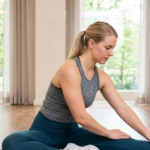
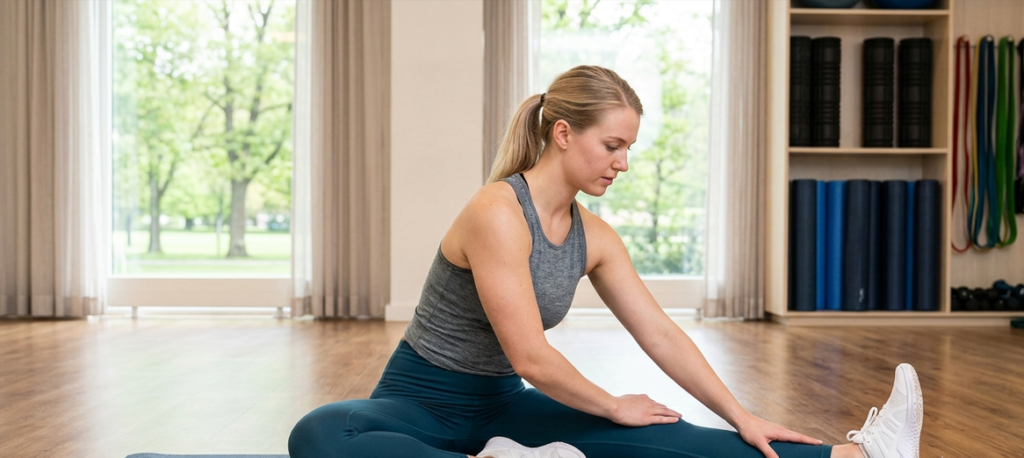
Sit on the Floor: Sit upright with your legs extended in front of you. (If your hips are tight, sit on a cushion).
-
Bend One Knee: Bend your right knee and place the sole of your right foot against your left inner thigh. Let your right knee fall outward toward the floor.
-
The “Butterfly” Variation: For a deeper stretch, bring both feet together (soles touching) and let your knees drop out to the sides. This is the classic way to stretch the sartorius.
-
Engage & Breathe: Sit tall. Avoid rounding your back. You should feel a stretch in the inner thigh and groin of the bent leg. Hold for 30–60 seconds.
-
Switch Sides: Repeat on the other leg.
The “Runner’s Lunge” Stretch (Intermediate/Advanced)
-
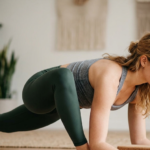
Start in a Lunge: From a kneeling position, bring your right foot forward, placing it outside your right hand.
-
Drop the Back Knee: Slide your left knee back until you feel a stretch in the front of the left hip.
-
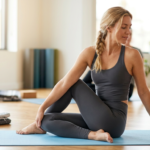
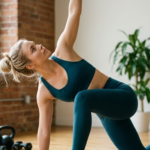
Twist & Reach: Slowly twist your torso to the right and reach your right arm up toward the ceiling. This adds a spine stretch component.
-
Modification: If this is too intense, keep your hands on the floor inside your front foot.
-
Hold: Breathe deeply for 30 seconds. Switch sides.
💡 Quick Tip: Imagine you are trying to point your kneecap toward the wall next to you. This small adjustment targets the sartorius more effectively than just pulling on your leg.
📊 Quick Reference Table
| Muscle Groups Worked | Difficulty Level |
|---|---|
| Sartorius, Hip Flexors, Inner Thighs (Adductors), Quadriceps | 🟢 Beginner to 🟡 Intermediate |
🚨 Safety Tricks & Common Mistakes
Safety Tricks:
-
Warm Up First: Never stretch a cold muscle. Do a light walk or jog for 5 minutes first.
-
Use Props: If you can’t reach the floor, sit on a yoga block or folded blanket.
-
Breathe: Never hold your breath. Exhale as you sink deeper into the stretch.
-
Stop if Pain: You should feel tension, not sharp pain.
Common Mistakes:
-
Bouncing: Avoid ballistic (bouncy) movements; this can cause micro-tears in the muscle.
-
Rounding the Back: Keep your spine tall to isolate the sartorius rather than straining your lumbar spine.
-
Forcing the Knee: Don’t push your knee down with your hand if it doesn’t want to go. Let gravity do the work.
-
Neglecting the Other Side: Always stretch both sides equally to maintain balance.
❓ FAQs
Q: What is the best way to stretch the sartorius muscle?
A: The most effective way is the “Tailor’s Pose” or a modified lunge that incorporates a twist. These positions specifically target the diagonal line of the sartorius from hip to knee.
Q: How do I know if my sartorius is tight?
A: If you feel tightness in the front of your hip, have trouble sitting cross-legged, or experience lower back pain when standing, your sartorius may be tight.
Q: Can I do sartorius stretching every day?
A: Yes, gentle static stretching can be done daily. However, if you are doing intense stretching exercises, give your muscles a rest day to recover.
Q: Is sartorius stretching good for sciatica?
A: It can help. Because the sartorius connects to the pelvis, releasing it can reduce tension on the lower back and surrounding nerves, though it is not a direct cure for sciatica.
⚡ Quick Tip of the Day
The “Zipper” Visualization: 🧥
When you stretch your sartorius, imagine your sartorius muscle as a zipper running from your hip to your knee. As you breathe out, visualize slowly unzipping that line. This mind-muscle connection helps you release deeper tension and improves flexibility faster than just pulling on the limb.