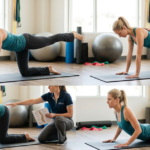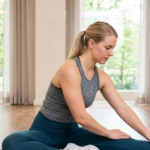
Whether you’re waking up or winding down, these complete body stretching exercises are your daily reset button for better movement, less stiffness, and improved flexibility!
If you’ve ever woken up with a stiff neck, felt tightness in your lower back after a long day at a desk, or struggled to touch your toes, you know how limiting poor flexibility can be. The good news is that consistent stretching can reverse these issues – no matter your age or fitness level.
Stretching exercises are more than just a warm-up or cool-down. They’re a form of self-care that improves circulation, reduces stress, and prepares your body for the demands of daily life. Whether you’re an athlete looking to prevent injury, a desk worker fighting “tech neck,” or someone simply wanting to move with more ease, the routine in this guide will help you get there.
The science is clear: muscles adapt to the positions you hold most often. If you spend hours sitting, your hip flexors shorten, your hamstrings tighten, and your chest rounds forward. Stretching reverses these patterns, restoring length to tight muscles and balance to your body.
🔍 What These Stretching Exercises Target
This comprehensive body stretching exercise routine targets tightness in your hamstrings, hips, shoulders, back, and chest – ideal for office workers, athletes, and anyone seeking improved flexibility.
✨ Key Benefits of Stretching Exercises
✅ Improves overall flexibility and range of motion
✅ Reduces muscle tension from sitting or workouts
✅ Enhances recovery by increasing blood flow to muscles
✅ Boosts mental relaxation through mindful movement
✅ Prepares or cools down your body for physical activity
✅ Improves Posture – Counteracts the forward hunch from desk work and smartphone use
✅ Reduces Lower Back Pain – Tight hamstrings and hip flexors are major contributors to back pain
✅ Enhances Athletic Performance – Greater range of motion means more powerful movements
✅ Prevents Injuries – Flexible muscles are less prone to strains and tears
✅ Promotes Circulation – Increased blood flow delivers oxygen and nutrients to muscles
Consistency matters more than intensity. Even 10 minutes of daily stretching produces better results than an hour once a week. Start where you are, and progress gradually.
🧠 The Science of Stretching
Understanding how stretching works helps you get better results:
| Concept | What It Means | How to Apply |
|---|---|---|
| Stretch Reflex | Muscles contract when stretched too quickly | Move slowly into each stretch |
| Autogenic Inhibition | After contraction, muscle relaxes deeper | Contract before stretching (PNF technique) |
| Reciprocal Inhibition | Contracting one muscle relaxes its opposite | Engage quads to relax hamstrings |
| Habitual Length | Muscles adapt to positions you hold most | Stretch consistently to create lasting change |
Flexibility improvements happen when you consistently apply gentle tension to a muscle, signaling your nervous system that it’s safe to allow more range of motion.
🧘 How to Stretching Exercises: Step-by-Step Routine
1️⃣ Morning Stretching Exercises (5 minutes)
- Standing Reach – Reach arms overhead, stretch upward (30 seconds)
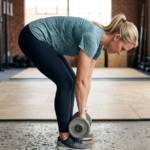
- Forward Fold – Hinge at hips, let upper body hang (45 seconds)
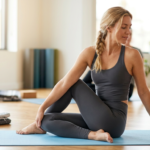
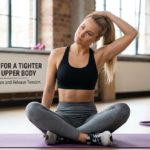
- Thoracic Twist – Seated cross-legged, rotate torso (30 seconds/side)
2️⃣ Full Body Stretching Exercises (10 minutes)
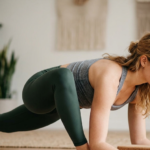
- Cat-Cow – On all fours, alternate arching and rounding back (1 minute)
- Pigeon Pose – Deep hip stretch (45 seconds/side)
- Doorway Chest Stretch – Arms in goalpost position (45 seconds)
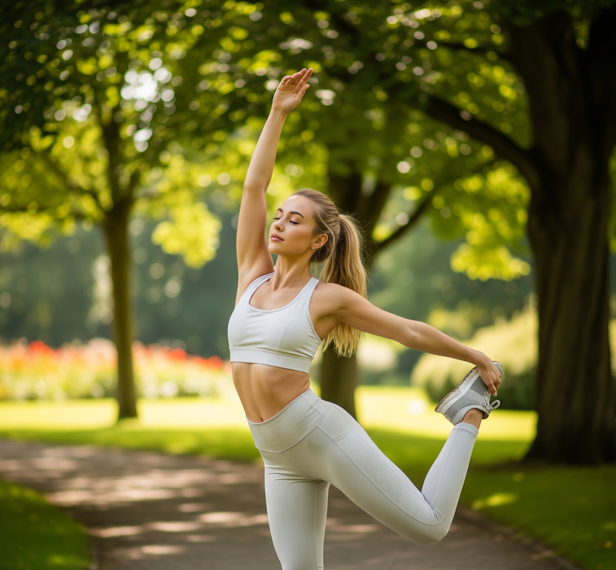
- Quad Stretch – Standing, pull heel toward glute (30 seconds/side)
3️⃣ Stretching Exercises for Cool Down (5 minutes)
- Child’s Pose – Kneeling forward fold (1 minute)
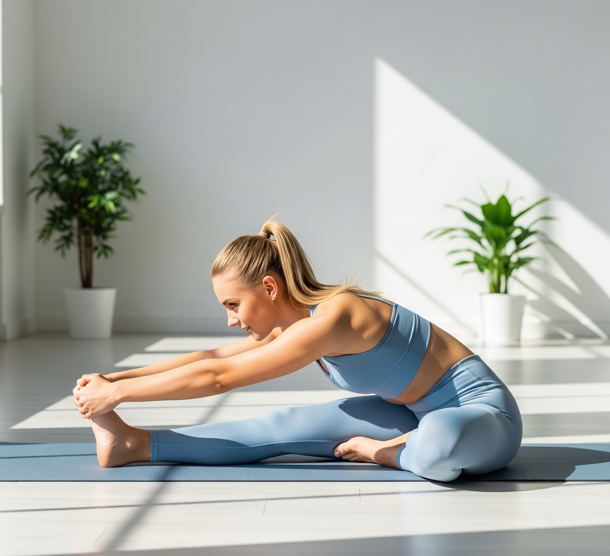
- Seated Hamstring Stretch – Legs extended, reach forward (45 seconds)
- Butterfly Stretch – Soles of feet together, knees apart (1 minute)
Modifications:
- Beginner: Use straps/blocks, reduce hold times
- Advanced: Add PNF techniques, increase duration
👥 Who Should Do These Stretching Exercises
This routine is ideal for:
Beginners – those new to stretching or feeling stiff
Desk workers and remote professionals – counteracts hours of sitting
Athletes – improves performance and reduces injury risk
Runners – releases tight hips and hamstrings
Weightlifters – balances strength with mobility
Older adults – maintains independence and prevents falls
Yoga practitioners – deepens poses and builds body awareness
Anyone recovering from injury – gentle movement restores range of motion
Anyone with chronic tension – releases stress stored in muscles
Anyone wanting to move better – flexibility is the foundation of pain-free movement
It works especially well when combined with full body stretching, warm-ups, and how to improve flexibility for a complete movement practice.
Quick Reference Table
| Stretch | Muscles Worked | Difficulty | Best Time | Duration |
|---|---|---|---|---|
| Standing Reach | Full body, lats, core | Beginner | Morning | 30 sec |
| Forward Fold | Hamstrings, lower back, calves | Beginner | Anytime | 45 sec |
| Thoracic Twist | Thoracic spine, obliques | Beginner | Morning, desk breaks | 30 sec/side |
| Cat-Cow Stretch | Entire spine, core | Beginner | Morning, warm-up | 60 sec |
| Pigeon Pose | Hip flexors, glutes, piriformis | Intermediate | Post-workout, evening | 45 sec/side |
| Doorway Chest Stretch | Pectorals, anterior deltoid | Beginner | Desk breaks, post-workout | 45 sec |
| Quad Stretch | Quadriceps, hip flexors | Beginner | Post-workout | 30 sec/side |
| Child’s Pose | Lower back, hips, shoulders | Beginner | Cool-down, evening | 60-90 sec |
| Seated Hamstring Stretch | Hamstrings, lower back | Beginner | Post-workout, evening | 45 sec |
| Butterfly Stretch | Inner thighs, hips, groin | Beginner | Anytime | 60 sec |
⚠️ Safety Tips & Common Mistakes
🚫 Don’ts
✖ Force painful positions (discomfort ≠ pain)
✖ Bounce during static stretches
✖ Hold your breath (breathe deeply!)
✖ Stretch cold muscles – always warm up first
✖ Compare your flexibility to others
✖ Rush through movements – slow and controlled wins
✅ Do’s
✔ Warm up before stretching exercises at the gym
✔ Progress gradually with your flexibility journey
✔ Listen to your body’s signals
✔ Use props (strap, block, wall) for support
✔ Stay consistent – daily practice beats weekly marathons
✔ Breathe deeply throughout each stretch
❓ Trendy FAQs
Q: What are the best stretching exercises for beginners?
A: Start with easy stretching exercises like hamstring stretches, cat-cow poses, and seated twists. Hold each for 20-30 seconds and focus on breathing. Consistency matters more than intensity!
Q: How often should I do stretching exercises?
A: For optimal results, aim for full body stretching exercises at least 3-5 times per week. Daily stretching is ideal if you’re targeting specific flexibility goals or recovering from workouts.
Q: Should I stretch before or after a workout?
A: Dynamic stretches are great before a workout to warm up, while static stretches work best after as part of your stretching exercises for cool down. Never stretch cold muscles!
Q: Can stretching exercises help with back pain?
A: Yes! Stretching exercises for flexibility that target the hips, hamstrings, and thoracic spine can significantly reduce tension and improve posture, which often alleviates back pain.
Q: How long should I hold a stretch?
A: For general stretching exercises, hold each stretch for 30 seconds. For deeper flexibility gains, work up to 60-90 seconds per muscle group
🌟 Pro Tip
Combine these best stretching exercises with deep breathing for maximum relaxation benefits. Your stretching exercises workout can be done anywhere, anytime!
For a complete approach, explore how to improve flexibility, full body stretching, and stretching exercises guides. Remember: consistency, patience, and proper form are your keys to lasting flexibility gains.