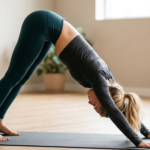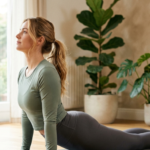
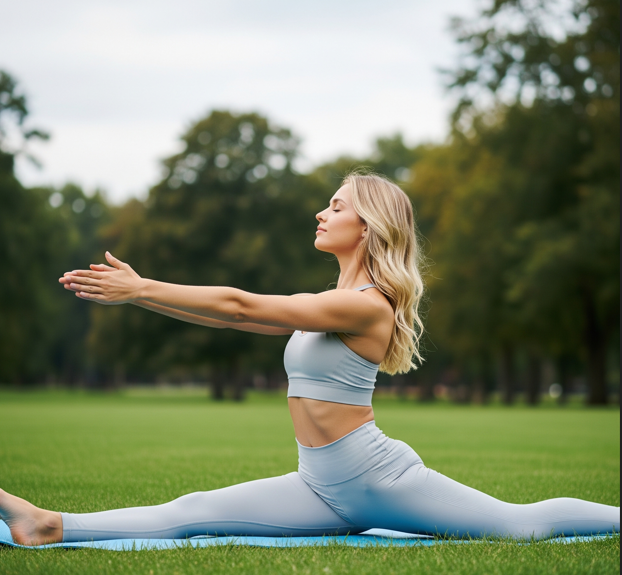
Unlock your body’s potential! Learning how to improve flexibility isn’t just for yogis or dancers; it’s your secret weapon for moving better, feeling younger, and preventing injuries in everyday life.
If you’ve ever reached down to tie your shoes and felt a tug in your lower back, or struggled to lift your arm overhead, you know how frustrating limited flexibility can be. The good news is that flexibility is not fixed-it’s a skill you can develop at any age, with consistent practice.
Learning how to improve flexibility is about more than touching your toes. It’s about restoring your body’s natural range of motion, releasing tension that builds up from daily activities, and creating a foundation for pain-free movement. Whether you’re an athlete looking to improve performance, a desk worker fighting stiffness, or someone simply wanting to feel better in your body, the principles in this guide will help you progress safely and effectively.
The science of flexibility shows that muscles adapt to the positions you hold most often. If you spend hours sitting, your hip flexors shorten and your hamstrings tighten. By consistently practicing the stretches in this guide, you’re sending a signal to your body that it’s safe to lengthen-and over time, your muscles will respond.
🔍 What This Flexibility Journey Targets
This comprehensive approach to improving flexibility addresses your entire body – from tight hamstrings and hips to stiff shoulders and back – using proven techniques that gradually increase your range of motion safely and effectively.
✨ Key Benefits of Improving Flexibility
✅ Reduces injury risk by preparing muscles for activity
✅ Enhances athletic performance through a greater range of motion
✅ Relieves muscle tension from sitting or repetitive movements
✅ Improves posture by balancing muscle groups
✅ Boosts relaxation through mindful stretching practice
✅ Improves Joint Health – Regular stretching lubricates joints, reducing stiffness and preventing age-related decline
✅ Enhances Circulation – Stretching increases blood flow to muscles, delivering oxygen and nutrients while removing waste products
✅ Reduces Lower Back Pain – Tight hamstrings and hip flexors are major contributors to back pain; flexibility work addresses the root cause
✅ Prepares for Exercise – Dynamic stretching before workouts improves performance and reduces injury risk during kettlebell workouts, jump squats, and reverse lunges
✅ Promotes Mind-Body Connection – Stretching teaches you to listen to your body, recognize tension, and release it consciously
🧠 The Science of Flexibility: How Muscles Respond
Understanding how muscles lengthen helps you stretch smarter, not harder:
| Concept | What It Means | How to Apply |
|---|---|---|
| Stretch Reflex | Muscles contract when stretched too quickly or too far | Move slowly; hold static stretches to override this reflex |
| Autogenic Inhibition | After a strong contraction, a muscle relaxes | Use PNF techniques (contract before stretching) for deeper gains |
| Reciprocal Inhibition | When one muscle contracts, its opposite relaxes | Contract your quads to relax your hamstrings during forward folds |
| Habitual Length | Muscles adapt to positions you hold most often | Stretch consistently to “teach” muscles a new resting length |
Flexibility improvements happen when you consistently apply gentle tension to a muscle, signaling your nervous system that it’s safe to allow more range of motion. This is why consistency matters more than intensity – daily gentle stretching yields better results than aggressive weekly sessions.
🏋️ Step-by-Step Stretching Routine for Flexibility
1️⃣ Dynamic Warm-Up (2-3 minutes)
- Perform arm circles forward and backward (30 seconds)
- Do leg swings front-to-back and side-to-side (60 seconds)
- Torso twists standing (30 seconds)
- Ankle rolls (30 seconds)
2️⃣ Best Stretches for Flexibility (10 minutes)
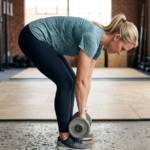
- Forward Fold – Stand, hinge at hips, reach for toes (hold 30 seconds)
- Butterfly Stretch – Sit, soles of feet together, gentle pressure on knees (hold 45 seconds)
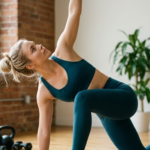
- Lunge with Twist – Deep lunge with opposite arm reach (30 seconds per side)
- Doorway Chest Stretch – Arms in goalpost position in doorway (hold 45 seconds)
- Seated Spinal Twist – Cross leg over, twist toward bent knee (30 seconds per side)
3️⃣ Cool Down (2 minutes)
- Child’s Pose – Kneel, sit back, arms extended (60 seconds)
- Deep Breathing – Lying on back, hands on belly (60 seconds)
Modifications:
- Beginner: Reduce hold times by 50%, use props (strap, block)
- Advanced: Add PNF techniques, increase hold times to 90 seconds
👥 Who Should Do This Flexibility Routine
This routine is ideal for:
-
Beginners – those new to stretching or feeling stiff
-
Desk workers and remote professionals – counteracts hours of sitting
-
Athletes – improves performance and reduces injury risk
-
Runners – releases tight hips and hamstrings
-
Weightlifters – balances strength with mobility
-
Older adults – maintains independence and prevents falls
-
Yoga practitioners – deepens poses and builds body awareness
-
Anyone recovering from injury – gentle movement restores range of motion
-
Anyone with chronic tension – releases stress stored in muscles
-
Anyone wanting to move better – flexibility is the foundation of pain-free movement
It works especially well when combined with stretching exercises, full body stretching, and warm-ups for a complete movement practice.
Quick Reference Table
| Stretch | Muscles Worked | Difficulty | Best Time | Duration |
|---|---|---|---|---|
| Forward Fold | Hamstrings, lower back, calves | Beginner | Post-workout, evening | 30-60 sec |
| Butterfly Stretch | Inner thighs, hips, groin | Beginner | Anytime | 45-60 sec |
| Lunge with Twist | Hip flexors, quads, thoracic spine | Intermediate | Post-workout | 30 sec per side |
| Doorway Chest Stretch | Pectorals, anterior deltoid | Beginner | Desk breaks, post-workout | 45 sec |
| Seated Spinal Twist | Thoracic spine, obliques | Beginner to Intermediate | Anytime | 30 sec per side |
| Child’s Pose | Lower back, hips, shoulders | Beginner | Cool-down, evening | 60-90 sec |
| Cat-Cow Stretch | Entire spine, core | Beginner | Morning, warm-up | 60 sec |
⚠️ Safety Tips & Common Mistakes
🚫 Don’ts
✖ Force painful positions (discomfort is okay, pain is not)
✖ Bounce in stretches (static holds are safer)
✖ Compare yourself to others (flexibility is personal)
✖ Stretch cold muscles (always warm up first)
✅ Do’s
✔ Breathe deeply throughout each stretch
✔ Progress gradually (Rome wasn’t built in a day)
✔ Listen to your body’s signals
✔ Stay consistent (daily practice beats weekly marathons)
❓FAQs About Improving Flexibility
Q: How long does it take to see real flexibility gains?
A: Most people notice improvement within 2-3 weeks of consistent practice, with significant gains in 2-3 months.
Q: What’s the best time of day to stretch for flexibility?
A: While any time works, many find late afternoon, when muscles are warmest, yields the best results.
Q: Can I improve flexibility if I’m naturally stiff?
A: Absolutely! Genetics plays a role, but everyone can make significant improvements with proper practice.
Q: How often should I do this full-body flexibility routine?
A: 3-5 times weekly for maintenance, daily for accelerated improvement.
🌟 Pro Tip
Pair your stretching routine for flexibility with foam rolling and hydration for faster results! The best exercise examples for flexibility combine static holds with dynamic movement.