🌟 Introduction
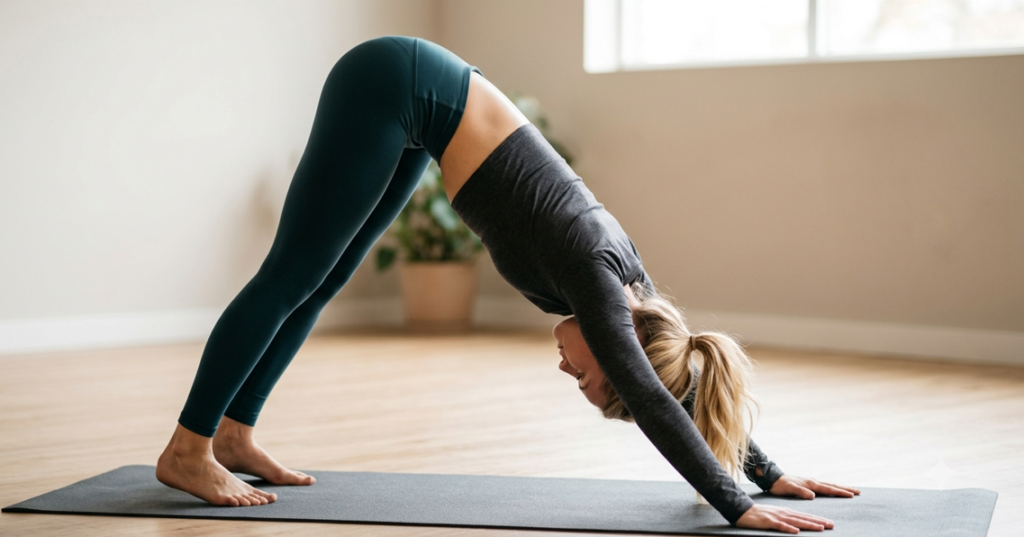
Meet the Downward Dog (Adho Mukha Svanasana), the undisputed MVP of yoga poses that delivers a remarkable full-body stretch while building strength . This iconic inverted V-shape targets everything from your hamstrings and calves to your shoulders and spine, offering both active rest and rejuvenation . Think of it as a full-body tune-up it’s like hitting the reset button for your entire musculoskeletal system
🎯 Key Benefits
-
🌿 Full-Body Flexibility: This pose works wonders on your entire back body lengthening your spine, opening your hamstrings, and stretching your calves . It counteracts the effects of prolonged sitting, improving overall flexibility and posture .
-
💪 Total Body Strengthening: Don’t be fooled by its stretching appearance Down Dog requires strength! It activates your core, strengthens your arms, shoulders, and wrists while engaging your legs . It builds full-body strength and flexibility with intention and ease .
-
🔄 Spinal Decompression & Tension Relief: By creating length in your spine, this pose relieves tension in your lower back and shoulders . It’s particularly beneficial for runners, athletes, and desk workers dealing with back stiffness .
-
🧘 Mental Reset & Energy Boost: Downward Dog acts as a moment of active rest, slowing your heartbeat and restoring energy . It calms the mind while requiring enough physical effort to keep you focused and present .
📋 Step-by-Step Instructions
🐾 Getting Into the Pose
-
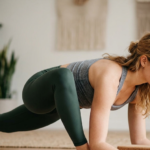
Start on All Fours: Come to your hands and knees in a tabletop position. Place your hands slightly forward of your shoulders, shoulder-width apart, and spread your fingers wide, pressing firmly through your knuckles . Your knees should be directly below your hips.
-
Lift Your Hips: Exhale as you tuck your toes under and lift your knees off the floor. Push your hips up and back toward the ceiling, creating an inverted V or pyramid shape . Imagine there’s a string attached to your tailbone, pulling it up toward the sky .
-
Straighten Your Legs & Drop Heels: Keep a slight bend in your knees if needed, and gently press your heels toward the floor. Don’t worry if they don’t touch—it’s common and perfectly fine! .
-
Engage & Relax: Keep your back straight without rounding it . Draw your navel toward your spine, engage your core, and relax your head and neck between your upper arms . Your gaze should be toward your feet or thighs .
-
Breathe & Hold: Hold the pose for 10–30 seconds, breathing deeply . To release, exhale and gently lower your knees back to the floor into Child’s Pose .
✨ Variations & Modifications
| Level | Modification |
|---|---|
| 🧸 Beginner | – Bend Your Knees: This reduces tension in your hamstrings and lower back, making the pose more accessible . Think of it as “pedaling your feet” to find comfort . – Wall Variation: Face a wall, place your hands on it, and walk your feet back until your torso is parallel to the floor great for tight shoulders or wrist sensitivity . |
| 🔥 Advanced | – Three-Legged Downward Dog: While in the pose, lift one leg straight up toward the ceiling. For an extra challenge, bend the lifted knee and open your hip . This deepens the stretch and builds balance and flexibility. – Heels Against Wall: Place your heels against a wall for a supported and intensified hamstring stretch . |
⚠️ Safety Tricks & Common Mistakes
| 🧠 Safety Tricks | ❌ Common Mistakes |
|---|---|
| Warm-Up First: Loosen your muscles and joints with Cat-Cow stretches before attempting Downward Dog . | 🐈 Rounding Your Back: Hunching your spine defeats the purpose. Focus on keeping a straight line from your hands to your hips . |
| Protect Your Wrists: If you feel wrist discomfort, roll a towel under the heels of your hands to reduce pressure . | 🏋️♂️ Over-Straightening Legs: Forcing your legs straight can lead to a rounded back. Keep a generous bend in your knees to maintain proper alignment . |
| Listen to Your Body: The pose is about finding a comfortable stretch, not pushing into pain. Adjust as often as you need . | 👣 Feet Too Far Apart: Placing your feet too wide can limit your spinal extension. Keep them hip-width apart . |
| Focus on Alignment: Press through your index fingers and knuckles to distribute weight away from your wrists . | 🤕 Sinking into Your Shoulders: Avoid collapsing in your shoulders; actively press the floor away to maintain openness . |
📊 Quick Reference Table
| Muscle Groups Worked | Difficulty Level |
|---|---|
| Hamstrings, Calves (Gastrocnemius & Soleus) | 🧘 Beginner to Intermediate |
| Spine (Lumbar, Thoracic) & Lower Back | 🧘 Beginner to Intermediate |
| Shoulders, Arms, & Wrists | 🧘 Beginner to Intermediate |
| Core (Abdominals) | 🧘 Beginner to Intermediate |
| Glutes (Maximus & Medius) | 🧘 Beginner to Intermediate |
| Chest (Pectorals) & Lats (Latissimus Dorsi) | 🧘 Intermediate |
| Neck & Trapezius (Upper Back) | 🧘 Beginner to Intermediate |
| Feet Arches & Ankles | 🧘 Beginner |
🔄 Related Stretches for Flexibility
To maximize your flexibility and target specific areas, consider incorporating these complementary poses into your routine:
-
Cat-Cow Stretch: Excellent for warming up the spine before Downward Dog. This gentle Cat-Cow Stretch mobilizes each vertebra, preparing your back for the deeper extension in Downward Dog. Think of it as waking up your spine gently before asking it to work!
-
Child’s Pose: A perfect counterpose to rest and stretch your lower back after Downward Dog. Sinking back into Child’s Pose allows your spine to decompress and your nervous system to settle; it’s like giving your back a cozy hug after all that hard work!
-
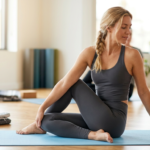
Thread the Needle Stretch: Deeply stretches the shoulders and upper back, complementing the shoulder opening in Downward Dog. Adding Thread the Needle Stretch to your routine releases tension in those hard-to-reach upper back muscles, improving overall shoulder flexibility and mobility.
-
Lunge Stretch: Targets the hip flexors and psoas, which are often tight. Practicing Lunge Stretch regularly counteracts the effects of prolonged sitting, opening the front of your hips and enhancing your flexibility for a more comfortable Downward Dog experience.
💡 FAQ’S
1. Why can’t I get my heels to touch the floor?
This is extremely common! It’s not a requirement for Downward Dog. Tight hamstrings and calves are the main reason. Focus on the overall shape and keeping your back straight rather than forcing your heels down . With regular practice, your flexibility will gradually improve.
2. Is Downward Dog a resting pose?
Yes, it’s considered a form of “active resting” in yoga. It allows you to check in with your body and breath while still engaging muscles and stretching.
3. How long should I hold Downward Dog?
Typically, you hold it for 10 to 30 seconds when done as a standalone stretch. In a yoga flow, you might hold it for up to 5 breaths or move through it dynamically.
4. Can I do this pose if I have high blood pressure?
Downward Dog can be a beneficial partial inversion for those with high blood pressure who want to avoid full inversions like Headstand. However, it’s always best to consult with your healthcare provider before starting any new exercise routine, especially if you have specific health concerns.
💡 Quick Tips for a Better Downward Dog
-
🔄 Warm up first! Always start with gentle stretches like Cat-Cow Stretch and Child’s Pose to prepare your spine and hamstrings before diving into Downward Dog.
-
👣 Pedal your feet! Gently alternate bending one knee while straightening the other this “pedaling” motion loosens tight hamstrings and calves, making the pose feel more comfortable over time.
-
🧘 Focus on your breath! Inhale as you lift your hips, exhale as you deepen the stretch. Your breath is your best guide; let it lead you deeper into flexibility with each cycle.
-
🐾 Spread your fingers wide! Press firmly through your index finger and thumb knuckles to protect your wrists and distribute weight evenly. Think of your hands as suction cups gripping the mat!
-
🎯 Consistency over intensity! Practice Downward Dog daily, even for just 30 seconds. Small, consistent efforts build flexibility and strength faster than pushing too hard once a week.