Do you ever feel like your body is stuck in “power-saving mode” with tight hips, a stiff back, and rounded shoulders from hunching over a keyboard? It’s time to hit the reset button. The world’s greatest stretch is a dynamic mobility drill that targets your entire posterior chain, from your ankles all the way up to your shoulders, making it the ultimate warm-up for anyone who wants to move and feel better.
🤸♂️ Why You Need This Move: Key Benefits
This isn’t just a stretch; it’s a full-body conversation. By combining a deep lunge with a thoracic spine rotation, you are actively waking up sleeping muscles and lubricating stiff joints. Here is why you should make the greatest stretch in the world a non-negotiable part of your routine:
- Full-Body Flexibility: It simultaneously targets tight hips, immobile thoracic spines, and restricted ankles. You get more bang for your buck, improving your overall flexibility in one fluid movement.
- Undoes “Desk Posture”: If you sit all day, your hips are flexed and your spine is rounded. This stretch does the opposite, opening up the front of the hips and rotating the mid-back, counteracting the dreaded “text neck.”
- Injury Prevention Powerhouse: By increasing blood flow and mobility through the hamstrings, glute stretch, and spine, you prepare your body for the demands of running, lifting, or just playing with your kids.
- Core Stability: Holding the deep lunge position requires you to engage your core, turning this mobility drill into a subtle stability exercise.
🧑🤝🧑 Who Should Do This Stretch?
The beauty of the world’s greatest stretch is its universality. It doesn’t matter if you are a professional athlete or someone who just wants to tie their shoes without back pain this move is for you.
- Runners & Cyclists: If you spend hours in a forward-flexed position, your hips are constantly shortened. This stretch lengthens the hip flexors and opens the chest, balancing out all that forward motion.
- Desk Workers & Gamers: Sitting is the new smoking for your posture. This stretch actively reverses the damage of hunching by improving thoracic mobility and flexibility in the shoulders.
- Gym-Goers & Lifters: Before squatting or deadlifting, you need to activate your glutes and mobilize your ankles. This move preps the exact muscles you are about to use.
- Older Adults: Maintaining range of motion is key to aging well. This stretch helps keep the spine supple and the hips loose for everyday activities like getting in and out of the car.
- Yoga Practitioners: It’s a fantastic transition pose that builds heat and connects breath with movement, preparing you for deeper poses.
📅 How to Add It to Your Daily Routine
Consistency is key when it comes to mobility. You don’t need to block out an hour; just weave this stretch into your existing day. Here is how to make it a habit:
- Morning Wake-Up (5 Mins): As soon as you get out of bed, perform 3-5 slow reps on each side. It acts as a lubricant for your spine and hips, shaking off the stiffness of sleep and improving your flexibility for the day ahead.
- Mid-Day Reset (3 Mins): Feeling the 3 PM slump? Instead of reaching for coffee, step away from your desk. Do a set on each side to break up the sitting cycle and re-energize your body.
- Pre-Workout Dynamic Warm-Up (5 Mins): Never stretch cold muscles. Use this as your primary movement prep before running, lifting, or playing sports to activate your glutes and core.
- Post-Workout Cool Down: While it’s dynamic in nature, holding the end-range rotation for a few deep breaths can also serve as a fantastic static cool-down stretch.
- Evening Unwind: Pair it with a cat cow stretch and a thread the needle stretch before bed to release the day’s tension from your back and shoulders.
📝 Step-by-Step: How to Perform the World’s Greatest Stretch
Follow these instructions to unlock the full potential of the world’s greatest stretch. Imagine you are trying to open a tight jar with your torso that twisting motion is exactly what we’re after.
- Start in a Downward Dog: Begin in a push-up position, then lift your hips up and back into an inverted “V” (Downward-Facing Dog). Walk your feet in slightly if needed.
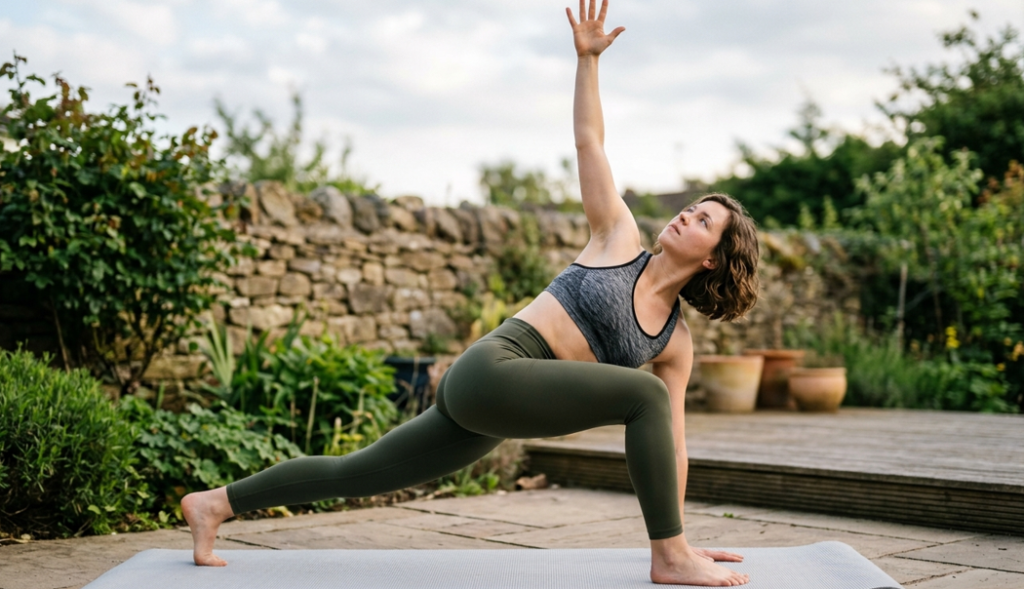
- Step into a Deep Lunge: Step your right foot forward to the outside of your right hand. Your right knee should be bent at a 90-degree angle. Your left leg remains straight, with your knee slightly bent or resting on the mat for support. Feel the stretch in your left hip flexor.
- Plant the Anchor: Lower your left knee to the ground for stability (if you are on a mat). Place your left hand flat on the floor directly below your shoulder, or on your fingertips for a shallower stretch.
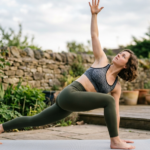
- The “Opening the Book” Rotation: Place your right hand behind your head or press your palm into your right thigh for leverage. Slowly rotate your torso to the right, opening your chest toward the ceiling. Lift your right elbow and try to gaze up toward the sky. Stop when you feel a gentle stretch in your chest and mid-back. Hold for 2-3 deep breaths.
- Reset and Repeat: Slowly unwind back to the starting lunge position. Walk your hands back, lift your hips, and return to Downward Dog. Repeat on the left side.
Modifications & Variations
- Beginner: If the rotation is too intense or you feel wobbly, keep your back knee on the floor for more support. You can also simply place your right hand on your right thigh instead of behind your head.
- Advanced: For a deeper stretch, try to straighten your front leg while keeping your hands on the ground. You can also add a sleeper stretch variation by threading the arm under your chest (see below).
🧠 Safety Tricks & Common Mistakes to Avoid
Getting the most out of what is the world’s greatest stretch means doing it safely. Avoid these pitfalls to keep your joints happy.
⚠️ Common Mistakes:
- Rushing the Movement: Treating this like a race instead of a deliberate stretch. The rotation should be slow and controlled.
- Collapsing the Chest: Letting your shoulders round forward during the rotation defeats the purpose of opening the chest.
- Lifting the Front Foot: Allowing the front heel to come off the ground can put strain on the knee and reduce ankle mobility.
- Holding Your Breath: Tensing up and forgetting to breathe. Exhale as you rotate deeper.
🛡️ Safety Tricks:
- Keep a Neutral Spine: In the initial lunge, don’t let your lower back sag. Engage your core to keep your pelvis stable.
- Listen to Your Hips: If you feel sharp pain in the front of the hip (the back leg), ease up. This is a deep stretch, not a pain contest.
- Use a Mat: Your back knee will thank you. A padded surface makes this stretch much more comfortable.
- Warm Up First: Perform this after a light 5-minute cardio session (like jumping jacks) to ensure your muscles are warm and pliable.
🦵 Muscle Groups Worked at a Glance
Here is a quick breakdown of what you are targeting during this movement.
| Muscle Groups Targeted | Difficulty Level |
|---|---|
| Hip Flexors, Glutes, Hamstrings | ⭐⭐ Intermediate |
| Thoracic Spine (Mid-Back), Lats | (Great for all levels) |
| Chest, Shoulders, Core |
🔗 Complementary Stretches to Try
To build a full mobility routine, pair the world’s greatest stretch with these other powerful movements:
- Thread the Needle Stretch: This is a fantastic way to further open up the shoulders and upper back after you’ve completed the main rotation.
- Doorway Chest Stretch: Use this after a workout to open up the pectorals and reinforce good posture.
- Cat Cow Stretch: A perfect, gentle warm-up for the spine before attempting the more dynamic rotation of the WGS.
- Glute Stretch (Pigeon Pose): If you feel your glutes are particularly tight, hold the initial lunge position of the WGS and sink deeper into the hips.
- Triceps Stretch & Sleeper Stretch: Add these at the end to ensure you are addressing shoulder flexibility from every angle.
FAQ’S❓
Why is it called the “World’s Greatest Stretch”?
It earned its nickname because it mobilizes so many key areas at once. Instead of doing separate stretches for your hips, back, and shoulders, this one movement targets them all. It’s a massive efficiency gain for your flexibility routine.
Can I do this stretch every day?
Absolutely! In fact, it’s encouraged. Because it is a dynamic mobility drill rather than an intense static hold, it is safe to perform daily. Adding it to your daily routine is one of the best ways to maintain and improve your range of motion.
I feel pain in my back and knee. What should I do?
This is a common issue. Make sure you are on a padded surface. If it still hurts, place a folded towel or a yoga blanket under your knee for extra cushioning. You can also keep your back toes tucked under for a slight lift, which reduces pressure on the kneecap.
How is this different from a regular lunge?
A regular lunge primarily targets the hips and quads. The world’s greatest stretch adds a critical spinal rotation and a chest opening component. This turns it from a simple lower-body stretch into a full-body mobility exercise that also targets your lat stretches and thoracic spine.
Do I need to warm up first?
It is highly recommended. While this is often used as a warm-up, your muscles will respond better if they have some blood flow. Try 5 minutes of light cardio (jumping jacks, high knees) or even a few rounds of cat cow stretch to warm up the spine before diving into the deep lunge position.
I can’t balance during the rotation. Any tips?
Balance issues usually stem from a lack of core engagement or tight hips. Try the beginner modification by keeping your back knee on the floor for a wider base of support. Also, make sure your front foot is flat and pressing firmly into the ground.
💡 Quick Tip: When to Do It
Don’t save this just for the gym! Do 5 reps on each side first thing in the morning to shake off the stiffness from sleeping, or during your lunch break to reset your body after hours of sitting. It’s the ultimate “re-boot” for your flexibility.