Introduction: Unlocking Strength and Serenity 🧘♀️
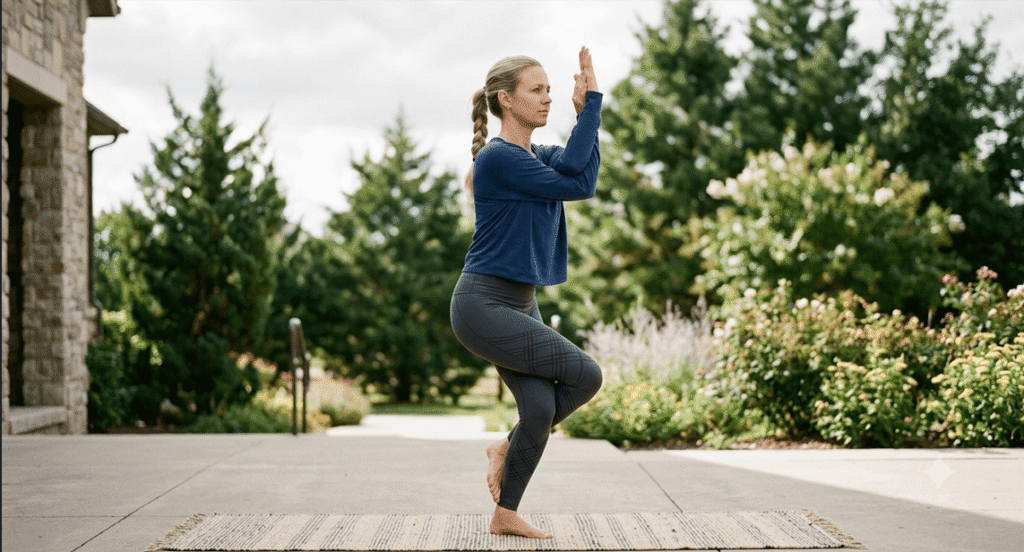
Welcome to the transformative world of eagle pose yoga a graceful standing balance that challenges both body and mind. The eagle pose, known in Sanskrit as Garudasana, is a powerful posture that wraps your limbs together like the mythical king of birds, creating a beautiful bind that targets multiple muscle groups simultaneously. This eagle stretch primarily targets your shoulders, upper back, hips, and thighs while demanding intense focus and steady breathing. Think of it as a full-body hug that simultaneously strengthens and stretches like giving yourself a deep, therapeutic squeeze from the inside out. As you sink deeper into the posture, you’ll discover it’s not just about physical flexibility; it’s a moving meditation that requires patience, presence, and the willingness to wobble.
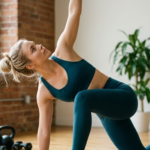
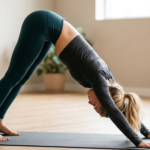
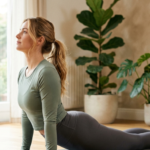
To truly prepare your body for the deep shoulder and upper back opening that Eagle Pose demands, incorporating the Cat-Cow Stretch and Thread the Needle Stretch into your warm-up routine is invaluable. The Cat-Cow Stretch gently mobilizes your entire spine, creating the spinal flexibility needed to maintain an elongated, upright torso throughout the balance. Meanwhile, the Thread the Needle Stretch is a perfect precursor it opens your shoulders and upper back, exactly where Eagle Pose creates its signature bind, making the arm wrap feel more accessible and less restrictive. Together, these preparatory stretches not only enhance your overall flexibility but also reduce the risk of strain, allowing you to glide into the eagle pose with greater ease and confidence.
Whether you’re a seasoned yogi or a curious beginner, mastering eagle pose offers a journey of self-discovery that extends far beyond your yoga mat. Pair it with these complementary stretches, and you’ll build a well-rounded practice that nurtures both strength and suppleness.
Key Benefits of Eagle Pose 🌟
The eagle pose benefits extend from your physical body to your mental state, making it a truly holistic practice:
-
🧠 Enhances Balance and Focus: Like a hawk zeroing in on its prey, Eagle Pose demands sharp concentration. Fixing your gaze on a single point (drishti) while balancing calms the mind and improves overall concentration. This mental discipline translates to better focus in daily life.
-
💪 Strengthens Lower Body Muscles: Your standing leg works overtime, strengthening your inner thighs, ankles, and calf muscles. The posture also tones your quadriceps as you sink deeper into the position, building impressive lower body strength.
-
👐 Stretches Upper Body and Shoulders: The arm bind provides an intense stretch for your upper back and shoulder areas where we commonly carry tension. This opening can improve posture and reduce upper body stiffness.
-
🦵 Deep Hip Opening: The wrapped leg position creates a profound stretch in your hips and outer thighs. The deeper you sit back, the more you’ll feel this therapeutic release.
-
🧘 Promotes Deep Breathing: The arm positioning opens the back of the lungs, allowing for fuller, deeper breaths. This improved breathing capacity can help alleviate stress and anxiety.
Step-by-Step Instructions: How to Do Eagle Pose 📋
Follow these detailed instructions to practice the eagle pose yoga safely and effectively:
Getting Started
-
Begin in Mountain Pose (Tadasana): Stand tall with your feet hip-width apart, grounding down through all four corners of your feet. Feel the solid connection with the earth beneath you .
-
Bend Your Knees: Softly bend your knees, shifting your weight as if you’re about to sit back into a chair pose. This creates the foundation for the leg wrap .
-
Cross Your Legs: Lift your right leg and cross it over your left thigh. The more you bend your standing leg, the easier this wrap becomes. Imagine you’re coiling a vine around a tree trunk .
-
Wrap Your Foot: If your flexibility allows, hook the toes of your right foot behind your left calf muscle. This creates the signature “eagle leg” look. If this isn’t accessible, simply place your toes on the floor beside your standing foot .
-
Position Your Arms: Stretch your arms straight in front of you at shoulder height. Cross your left arm under your right arm, bending at the elbows .
-
Bind Your Arms: Bring your palms together, pointing your fingers toward the sky. Alternatively, you can press the backs of your hands together or hook your thumbs whatever feels accessible .
-
Lift and Engage: Gently lift your elbows while drawing your shoulder blades down your back. Keep your spine long and your shoulders relaxed not hunched up near your ears .
-
Find Your Balance: Choose a focal point about six feet in front of you and hold your gaze steady. This drishti will be your anchor through any wobbles .
-
Breathe and Hold: Stay in the pose for 5-10 slow, deep breaths. With each exhale, try sinking a little deeper into the posture .
-
Release and Switch: Gently unwind your limbs and return to Mountain Pose. Repeat on the opposite side, wrapping your left leg over your right and your right arm under your left .
Modifications for All Levels
Beginner-Friendly Options 🌱:
-
Practice with your back against a wall for added stability
-
Instead of wrapping your foot, place your toes on a block beside your standing leg
-
Skip the arm bind and simply cross your arms at the elbows with hands resting on opposite shoulders (a “self-hug”)
-
Try the pose sitting in a chair to focus on the upper body bind first
Advanced Variations 🔥:
-
Close your eyes to intensify the balance challenge
-
Sink deeper into a squat position to deepen the hip stretch
-
Lift your arms higher toward the sky while maintaining shoulder integrity
-
Try the pose on your back (Supta Garudasana) for a different perspective
Quick Reference Table 📊
| Aspect | Details |
|---|---|
| Primary Muscle Groups Worked | Shoulders, Upper Back, Hips, Thighs, Calves, Ankles, Core |
| Secondary Muscles | Inner Thighs (Adductors), Glutes, Chest (Pecs), Intrinsic Foot Muscles |
| Difficulty Level | Intermediate |
| Pose Type | Standing Balance, Bind |
Safety First: Precautions and Common Mistakes ⚠️
Safety Precautions 🛡️
-
Knee and Ankle Injuries: Avoid this pose if you have any existing knee or ankle injuries, as the twisting and weight-bearing nature can aggravate these areas . Listen to your body and never force the wrap.
-
Shoulder Issues: If you have rotator cuff problems or frozen shoulder, skip the arm bind or use a strap between your hands instead .
-
Vertigo or Balance Disorders: Practice near a wall for support, or skip the pose entirely if you experience dizziness .
-
Pregnancy Considerations: In later stages of pregnancy, avoid the pose or practice under the guidance of a prenatal yoga instructor .
Common Mistakes to Avoid 🚫
-
Hunching Forward: Keep your spine long and your shoulders stacked over your hips. Imagine a string pulling you up from the crown of your head .
-
Holding Your Breath: Breathe steadily and deeply. Your breath is your best friend in balancing poses don’t abandon it!
-
Gripping with Toes: Instead of gripping the floor with your toes (which creates tension), spread them wide and press the tripod (big toe, little toe, heel) firmly into the mat .
-
Forcing the Bind: Don’t force your limbs into the full expression if you lack the mobility. This can lead to joint strain. Use modifications freely they’re there for a reason .
Frequently Asked Questions ❓
Q: How long should I hold Eagle Pose?
Hold for 5-10 deep breaths on each side. As you build strength and comfort, you can extend the duration .
Q: What if my palms don’t touch in the arm bind?
That’s completely normal! Simply hold your opposite shoulders, hook your thumbs, or press the backs of your hands together .
Q: Is Eagle Pose good for back pain?
Yes! It helps alleviate lower back pain and sciatica by stretching the hips and strengthening the core muscles that support your spine . However, avoid if you’re experiencing acute back pain.
Q: Why can’t I wrap my leg fully?
Limited hip flexibility is the most common reason. Use the modified version with your toes on the floor or a block, and practice regularly your flexibility will gradually improve .
Q: Is Eagle Pose harder than Tree Pose?
Generally, yes. Eagle Pose requires more coordination and joint mobility than Tree Pose, making it an intermediate-level challenge .
Quick Tips for Success 💡
Think of this pose as a dynamic process rather than a static destination; you will naturally wobble, and that’s perfectly okay! Your flexibility will improve over time, so be patient with yourself. Engage your core as if you’re wearing an imaginary corset to protect your lower back and maintain stability. If balancing feels impossible, practice standing near a wall so you can gently touch it for support when needed. Remember, flexibility isn’t just physical; it’s mental too, so allow yourself to adapt the pose to your unique body each day.