
Neck Workouts
Neck Extension
Improve your Neck Extension Mobility & Strength
Neck extensions and neck rotations are essential for combating stiffness caused by modern lifestyles. These trap and neck stretches target key muscles like the sternocleidomastoid and trapezius, improving flexibility while relieving “tech neck” from constant phone/computer use.
Neck extension also plays a crucial role in managing tension headaches and jaw discomfort. The sternocleidomastoid muscle connects directly to the fascia around the jaw and temporomandibular joint (TMJ). When this muscle remains tight from forward head posture, it can contribute to clenching, facial tension, and even radiating headaches. Gentle neck extension releases this tension at the source, making it a valuable addition to any routine focused on physical therapy exercises for headaches and neck workouts.
For those recovering from shoulder or upper back stiffness, neck extension creates the foundation for better movement patterns. When your neck is free, your upper trapezius can relax, allowing your shoulders to settle into proper alignment. This makes exercises like scapular retractions, wall angel stretch, and rhomboid muscle stretch far more effective. Think of neck extension as unlocking the top link in a chain – once it’s mobile, everything below moves more freely.

Neck Extension Stretch
Key Benefits of Neck Extension Exercises & Neck Rotations 🌟
✅ Enhances Flexibility – Improves range of motion in the neck extended position
✅ Reduces Tech Neck Pain – Counters strain from forward head posture
✅ Relieves Tension Headaches – Loosens tight traps and neck stretches
✅ Improves Posture – Strengthens deep neck muscles for better alignment
✅ Boosts Relaxation – Releases stress stored in the neck extension muscles
✅ Improves Breathing Capacity – Tight front neck muscles restrict airway; releasing them allows for deeper, more efficient breaths during burpees and jump squats
✅ Reduces Jaw Tension (TMJ Relief) – Neck extension releases the sternocleidomastoid, a muscle often tight in people with jaw clenching and TMJ disorders
✅ Enhances Shoulder Mobility – Tight neck muscles limit upper back movement, affecting exercises like wall push-ups, push exercises, and chest workouts at home
✅ Supports Chin Tuck Effectiveness – Neck extension balances the chin tuck, creating a complete neck mobility routine
✅ Prevents Long-Term Degeneration – Maintaining cervical spine mobility reduces disc compression and arthritis risk as you age
🧠 Anatomy Deep Dive: What’s Happening During Neck Extension
The neck extension exercise targets several key structures in the cervical spine and upper back:
| Structure | Location | Function | Why It Gets Tight |
|---|---|---|---|
| Sternocleidomastoid (SCM) | Front/side of neck | Rotates and flexes the head; assists in breathing | Forward head posture, stress, shallow breathing |
| Scalenes | Side of neck | Assist in neck flexion and breathing | Desk work, anxiety, poor posture |
| Upper Trapezius | Neck to shoulders | Elevates shoulders; extends and rotates the head | Stress, prolonged sitting, phone use |
| Suboccipitals | Base of skull | Fine-tune head position | Screen time, forward head posture |
| Longus Colli & Capitis | Deep front of neck | Stabilize cervical spine | Weakness from underuse; tight SCM overcompensates |
🧠 Muscles Worked in Neck Extension
The neck extension exercise targets several important muscles in the neck and upper back. These include:
Sternocleidomastoid (SCM) – the large muscle at the front of the neck responsible for head rotation and flexion
Scalenes – deep muscles on the side of the neck that assist in breathing and neck movement
Upper Trapezius – the muscle running from the neck to the shoulders that elevates and rotates the shoulder blades
Suboccipitals – small muscles at the base of the skull that fine-tune head position
Longus Colli & Capitis – deep neck flexors that stabilize the cervical spine
If your neck feels tight, you can also include upper trap stretch and chin tuck stretch before or after extension to release tension and improve overall mobility.
👥 Who Should Do Neck Extension
This stretch is ideal for:
Desk workers and remote professionals
Smartphone users with “tech neck”
Runners and cyclists
Weightlifters and gym-goers
Tension headache sufferers
Yoga practitioners
Older adults maintaining cervical mobility
Anyone with forward head posture or neck stiffness
It works especially well when combined with stretches like chin tuck stretch, upper trap stretch, and scapular retractions for complete neck and upper back mobility.
Neck Extension Exercises
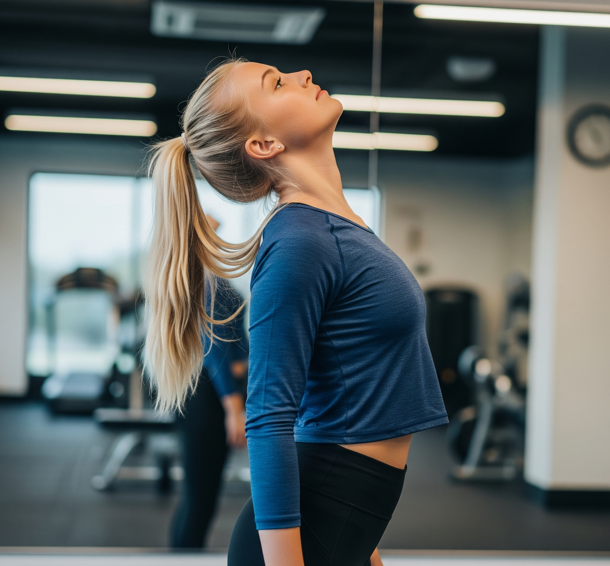
Neck Extension
Gently tilting your head backward to stretch the front neck muscles, perfect for counteracting "tech neck" from phone/computer use.

Neck Rotation
Slowly turning your head side-to-side to improve neck mobility and relieve stiffness from poor posture or tension.
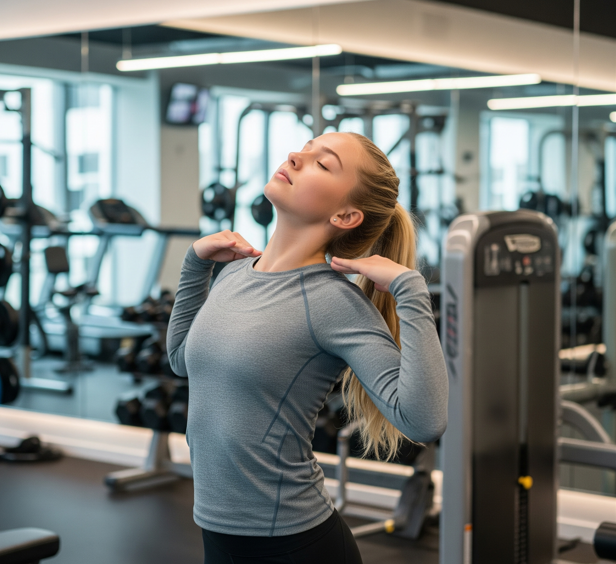
Trap and Neck Stretches
These stretches target the upper trapezius and neck muscles, relieving tension from poor posture, stress, or long desk sessions. They improve flexibility and reduce stiffness in the shoulders and neck.
How to Do Neck Extension Stretch: Step by Step Guide: 🏆
1️⃣Neck Extension Exercise
- Sit Tall – Maintain neutral spine, shoulders relaxed
- Perform Neck Tuck – Gently tuck chin (this neck tuck exercise prepares muscles)
- Extend Backward – Slowly tilt head back, eyes toward the ceiling
- Hold 10-15 Sec – Feel stretch in front neck without overextending
2️⃣Neck Rotation Exercise
- Start Neutral – Head centered over shoulders
- Rotate Slowly – Turn head left until chin aligns with shoulder
- Hold 5 Sec – Repeat right side (this neck rotation stretch improves mobility)
Modifications:
- Beginner: Support the head with hand during the neck extensions exercise
- Advanced: Add resistance by pressing the hand against the forehead
3️⃣Trap and Neck Stretches
- Ear-to-Shoulder: Tilt right ear to right shoulder, hold 15s, switch sides.
- Cross-Arm Trap Pull: Pull right elbow across chest with left hand, hold 20s, switch.
- Chin Tuck: Tuck chin to chest, hold 10s for front neck stretch.
- Slow Neck Rotations: Turn head right until chin aligns with shoulder, hold 10s, repeat left.
- Trap Release: Clasp hands behind head, gently pull forward/down, hold 15s.
Quick Reference Table
Muscle Groups Worked | Difficulty Level |
Sternocleidomastoid, Trapezius, Neck Extensors | Easy to Moderate |
Safety Tricks 🛡️
🔹 Move Slowly – Avoid jerky motions in all neck rotation exercises
🔹 Engage Core – Stabilizes spine during neck extension exercise
🔹 Stop if Dizzy – Common when first trying neck extended positions
❌ Avoid These Mistakes
❌ Over-Rotating – In neck rotations, don’t force beyond the comfortable range
❌ Holding Breath – Breathe steadily to maximize flexibility gains
❌ Shoulder Tension – Keep traps relaxed during the neck tuck exercise
FAQ
How often should I do neck extension exercises?
For posture correction, aim for 2-3 times daily, especially if you have a desk job. Hold each stretch for 10-15 seconds, repeating 3-5 times per session. Incorporate into your 5-minute daily stretching routine for consistency.
Can neck extension help with tension headaches?
Yes. Tight front neck muscles (SCM and scalenes) are a primary cause of tension headaches. Neck extension gently lengthens these muscles, reducing pressure on the suboccipital region. Combine with chin tuck stretch and upper trap stretch for comprehensive relief.
Is neck extension safe for people with cervical disc issues?
If you have cervical disc problems, consult a healthcare provider first. Perform gentle, small-range extensions and avoid forcing the head back. Start with the supine (lying down) version to reduce load on the discs. For guided rehab, explore physical therapy exercises for headaches and neck workouts.
What's the difference between neck extension and chin tuck?
Chin tuck strengthens deep neck flexors and corrects forward head posture. Neck extension lengthens the front neck muscles and improves backward mobility. Together, they create balanced neck flexibility. Always perform a chin tuck before extending to protect the cervical spine.
Can neck extension improve my breathing?
Absolutely. The sternocleidomastoid and scalenes attach to the rib cage and assist in inhalation. When these muscles are tight, they restrict breath. Releasing them with neck extension allows for deeper, more efficient breathing—benefiting exercises like burpees, jump squats, and kettlebell workouts.
Quick Tip:
For an effective neck extension, sit or stand tall, gently tilt your head back while keeping your shoulders relaxed, and hold for 5 seconds. Add a slight chin tuck to deepen the stretch in the front of your neck. Repeat 3–5 times to relieve “tech neck” tension!