What Is the Pike Stretch?
The Pike Stretch targets your hamstrings, lower back, and calves the entire posterior chain. Think of it like folding a piece of paper in half: you’re creating a “pike” shape at your hips, which deeply stretches the back of your legs and spine. Whether you’re a runner, desk worker, or yogi, this pike stretching move is a game-changer for overall flexibility.
🧠 Fun fact: The name “pike” comes from gymnastics and diving, where athletes fold at the hips into a V-shape just like you’re doing here!
🌟 Key Benefits of the Pike Stretch Exercise
| Benefit | Why It Matters |
|---|---|
| ✅ Increases hamstring flexibility | Essential for splits, forward folds, high kicks, and deadlifts. 🦵 |
| ✅ Relieves chronic lower back tension | Lengthens tight back muscles and reduces pressure on the sciatic nerve. |
| ✅ Boosts athletic performance | Greater flexibility in sprints, squats, and Olympic lifts. 🏃♂️ |
| ✅ Calms the mind | The forward fold position activates the parasympathetic nervous system (like a mini reset button for stress). 🧠 |
| ✅ Improves posture | A more flexible posterior chain helps you stand taller and sit straighter. |
| ✅ Prepares you for advanced moves | Think yoga plow pose, handstand pike, or even touching your palms to the floor. |
| ✅ Reduces risk of hamstring strains | Elastic muscles absorb shock better than tight, rope-like ones. |
📝 Step-by-Step Instructions (With Modifications)
🪑 A. Seated Pike Stretch (Best for beginners & desk workers)
-
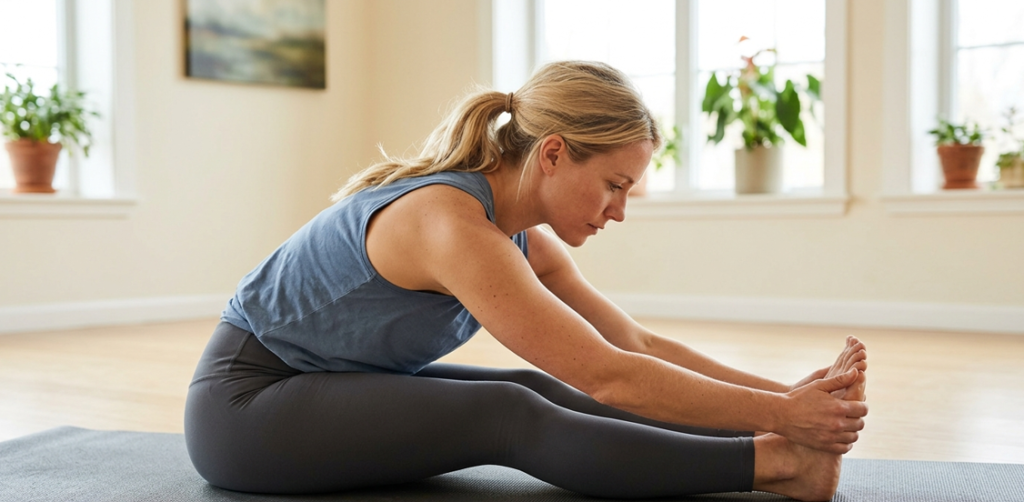
Sit on the floor with your legs straight out in front of you, feet flexed (toes pointing to the ceiling).
-
Sit up tall, imagine a string pulling your head toward the sky.
-
Inhale – lengthen your spine. Exhale – hinge at your hips (not your waist) and walk your hands down your shins.
-
Stop when you feel a deep stretch without rounding your back.
-
Hold for 20–30 seconds, breathing deeply. Repeat 3 times.
🧘 Visualize: Your torso is a flat board tipping forward from a hinge at your hip crease.
🧍 B. Standing Pike Stretch (More intense, great for athletes)
-
Stand with feet hip-width apart, knees soft (not locked).
-
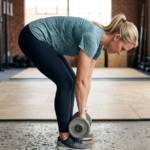
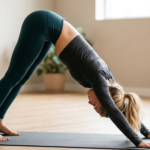
Hinge forward from your hips, keeping your back as flat as a table.
-
Let your hands slide down your legs toward the floor or rest on a yoga block.
-
Relax your head and neck. Feel the stretch pike shape from the tailbone to the crown.
-
Hold for 15–30 seconds. To come up, engage your core and rise slowly, vertebra by vertebra.
🏀 Athlete tip: After leg day, do this stretch to reduce soreness and maintain pike flexibility for jumping and sprinting.
🔄 Modifications for All Levels
| Level | Seated Pike Stretch | Standing Pike Stretch |
|---|---|---|
| 🟢 Beginner | Bend your knees slightly or use a towel around your feet | Place your hands on a chair back or countertop |
| 🟡 Intermediate | Reach for your shins or ankles, keep legs straighter | Fingertips on the floor, knees soft |
| 🔴 Advanced | Grab your feet or wrap fingers under toes | Palms flat on the floor, hug your shins, or use an elevated step |
🔥 Progression challenge: Try the pike stretch exercise on a slant board or with light ankle weights to deepen the sensation safely.
📊 Quick Reference Table
| Muscle Groups Targeted | Difficulty Level |
|---|---|
| Hamstrings (primary) Lower back (erector spinae) Calves (gastrocnemius) Glutes (secondary) Sciatic nerve mobility |
🟢 Beginner to 🟡 Intermediate (Advanced with full palm-to-floor) |
⚠️ Safety Tricks & Common Mistakes
| 🛡️ Safety Tricks (Do This!) | ❌ Common Mistakes (Avoid That!) |
|---|---|
| Always warm up with 5 min of light cardio (e.g., jumping jacks) before pike stretching. | Rounding your upper back and shoulders to reach farther (this strains the spine). |
| Keep a micro-bend in your knees if you feel sharp pain behind them. | Locking your knees rigidly – this transfers tension to ligaments, not muscles. |
| Use a yoga strap or belt if you can’t touch your toes – maintain a straight spine. | Holding your breath – shallow breathing increases tension instead of releasing it. |
| Actively flex your feet (toes toward shins) to protect your sciatic nerve. | Bouncing or jerking movements – static holds only for the pike stretch exercise. |
| Stretch after a warm shower or workout when muscles are pliable. | Forcing a deeper stretch while feeling sharp or shooting pain. |
🗓️ Sample Weekly Flexibility Routine (Including Pike Stretch)
| Day | Focus | Pike Stretch Duration | Bonus Move |
|---|---|---|---|
| Monday | Hamstrings & Lower Back | 3 x 30 sec (seated) | Cat-cow stretch |
| Tuesday | Dynamic Warm-up | 2 x 20 sec (standing) | Leg swings |
| Wednesday | Rest or Light Walking | ||
| Thursday | Deep Flexibility Work | 4 x 30 sec (seated with strap) | Butterfly stretch |
| Friday | Post-Workout Cool-down | 3 x 25 sec (standing) | Quad stretch |
| Saturday | Yoga Flow | 2 x 45 sec (advanced variation) | Downward dog |
| Sunday | Recovery & Breath Focus | 3 x 20 sec (any version) | Child’s pose |
📅 Consistency tip: Even 5 minutes of daily pike stretching improves hamstring flexibility faster than 30 minutes once a week.
Frequently Asked Questions?
1. Why can’t I touch my toes yet?
Don’t worry! Most people need 4–6 weeks of consistent pike stretching to see major change. Your hamstrings are among the tightest muscles in the body treat them with patience.
2. Is the seated pike stretch better than standing?
It depends! Seated pike stretch isolates hamstrings more and is lower risk for balance issues. Standing pike stretch engages core and proprioception more. Both are excellent rotate them!
3. Can I do this with a herniated disc?
Only with doctor approval. Rounding the spine can worsen disc issues. Stick to the standing pike stretch with hands on a high surface and a flat back.
4. How long should I hold the stretch?
Research shows 15–30 seconds is optimal for increasing flexibility. Longer holds (60+ sec) are better for nervous system relaxation.
5. Should I feel it behind my knee?
A mild stretch is fine. Sharp pain means you’re pulling on the sciatic nerve. Solution: bend your knee slightly and flex your foot harder.
🧠Mind-Body Connection: Breathing Into the Pike
The pike stretch exercise isn’t just physical, it’s a moving meditation. Here’s a simple breathing rhythm to deepen your experience:
-
Inhale (4 seconds) – lengthen your spine, lift your chest slightly.
-
Exhale (6 seconds) – soften deeper into the fold, imagining your hamstrings melting like warm butter.
-
Pause (2 seconds) – notice the quiet sensation of release.
🎯 Try this: Close your eyes during the seated pike stretch. With each exhale, whisper “soften.” You’ll feel tension leave not just your legs, but your jaw, neck, and mind.
📦 Final Flexibility Takeaway
“Flexibility is not about how far you go it’s about how well you breathe when you get there.”
The pike stretch rewards patience. Imagine your hamstrings as cold taffy: gentle, consistent heat (breath + time) makes them pliable. Force snaps them. Be kind to your body. 🍯