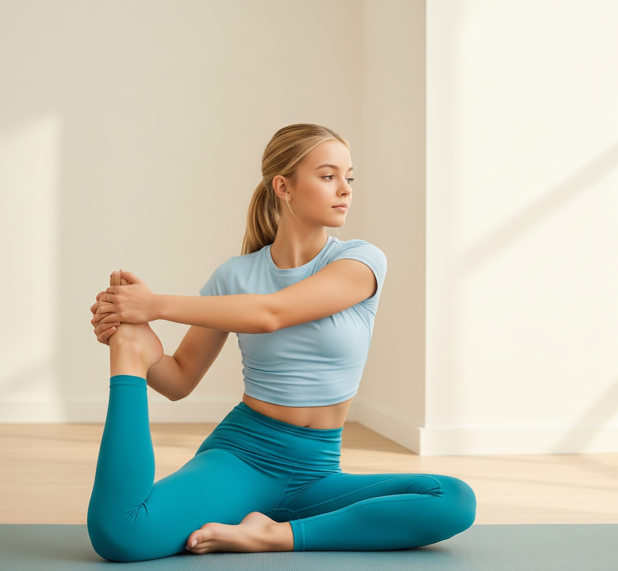
The Piriformis Stretch is like untangling a stubborn knot in your hips. It targets that sneaky deep glute muscle (the piriformis) that often causes sciatic nerve pain. Perfect for runners, desk workers, or anyone battling stubborn hip tightness!
The piriformis muscle is a small but mighty player in your body’s movement and comfort. Located deep in the buttocks, it rotates your hip and stabilizes your pelvis with every step you take. When this muscle becomes tight, overworked, or spasms, it can compress or irritate the sciatic nerve – the largest nerve in your body – leading to a cascade of discomfort that radiates down the leg, often mistaken for disc issues or true sciatica.
This is why the humble piriformis stretch is not just another hip opener; it’s a potential lifeline for anyone suffering from stubborn buttock pain, tingling sensations, or limited mobility. For a comprehensive approach to lower body relief, understanding how this stretch interacts with other foundational movements like the lying hip flexor stretch can help you build a complete routine that addresses all the muscles influencing hip and back health.
The piriformis stretch targets one of the deepest, most influential muscles in your body – releasing tension that radiates far beyond your hips and transforming how you move, sit, and feel every day.
✅ Sciatica Relief – Eases pressure on the sciatic nerve
✅ Hip Flexibility – Loosens tight outer hip rotators
✅ Improved Mobility – Helps with squats, running, and sitting pain-free
✅ Lower Back Comfort – Reduces compensatory tension in the spine
✅ Pre-Workout Prep – Warms up glutes before exercise
✅ Pelvic Stability – Strengthens the mind-muscle connection in deep hip stabilizers, improving balance and preventing falls
✅ Knee Pain Reduction – Releases tension that pulls on the IT band and kneecap, alleviating strain during walking or lunges
✅ Better Sleep Quality – Relaxes the hips and nervous system, making it easier to find comfort lying on your side at night
✅ Injury Prevention – Corrects muscle imbalances that lead to compensatory injuries in the ankles, knees, and lower back
✅ Enhanced Athletic Performance – Unlocks full hip rotation for powerful movements in sports, dance, and everyday activities
From sciatica relief to better sleep, these ten benefits transform a simple stretch into a comprehensive solution for hip health – addressing root causes, not just symptoms, so you can move through life with greater comfort and confidence.
To truly master the stretch, you need to understand the muscle you’re targeting. The piriformis runs from your sacrum (the triangular bone at the base of your spine) to the top of your femur (thigh bone). Its primary job is external rotation of the hip – turning your toes and knee outward.
| Structure | Relationship to Piriformis | Why It Matters |
|---|---|---|
| Sciatic Nerve | Runs directly under (or through) piriformis in some people | Tight muscle compresses nerve, causing radiating pain |
| Gluteus Maximus | Lies superficial to piriformis | Must relax to access deeper piriformis stretch |
| Pelvis | Piriformis originates here | Muscle tightness can tilt pelvis, affecting posture |
| Sacrum | Attachment point for piriformis | Influences sacroiliac (SI) joint stability |
| Hip Joint | Piriformis inserts here | Controls hip rotation and stability |
In approximately 15-30% of the population, the sciatic nerve actually pierces through the piriformis muscle rather than passing beneath it. For these individuals, piriformis tightness creates even more direct nerve compression, making regular stretching absolutely essential. This anatomical variation explains why some people experience dramatic relief from targeted stretching while others need a more comprehensive approach that includes glute stretches and hip mobilizers.
Extend legs straight (like a seated “L” shape).
Right ankle rests just above the left knee (knee bent outward).
Gently pull the left thigh toward your chest until you feel a deep glute stretch.
Breathe into the tight spots imagine melting tension away.
5️⃣ Switch Sides
Repeat on the other leg for balanced flexibility.
While nearly everyone can benefit, these groups find the piriformis stretch especially transformative:
🏃♀️ Runners – The repetitive motion of running tightens the glutes and hip rotators. Regular stretching prevents piriformis syndrome, a common runner’s complaint. Pair with calf stretches for complete lower leg care.
🧑💼 Desk Workers – Prolonged sitting shortens and tightens the piriformis. Hours spent with hips flexed at 90 degrees creates chronic tension that eventually compresses the sciatic nerve. A chair workout with integrated stretches can provide relief throughout the day.
🚴♀️ Cyclists – The bent-over, seated position places constant pressure on the perineum and hip rotators. Many cyclists develop piriformis issues from hours in the saddle.
🧓 Older Adults – Age-related muscle tightness and decreased activity can lead to piriformis stiffness. Maintaining hip mobility supports balance and prevents falls.
🤰 Pregnant Women – Hormonal changes and postural adjustments during pregnancy can aggravate the piriformis. Gentle stretching (with doctor approval) provides relief. This complements hip-opening exercises recommended for prenatal comfort.
🏋️♂️ Weightlifters – Squats and deadlifts demand hip mobility. Tight piriformis limits depth and form, increasing injury risk. Use this stretch during leg workouts cooldown.
💺 Frequent Travelers – Long flights or drives compress the hips and keep the piriformis in a shortened position. Stretch upon arrival and before bed to prevent stiffness.
| Time | Benefit | Best Practice |
|---|---|---|
| Morning | Wakes up hips after night stillness | Gentle, don’t force; muscles are cold |
| Pre-Run | Activates glutes, prevents injury | Dynamic version: gentle pulses |
| Post-Run | Releases tightened muscles | Hold 30-45 seconds per side |
| Midday Break | Counters sitting tightness | Quick 60-second reset |
| Before Bed | Relaxes nervous system | Combine with deep breathing |
| After Long Drive/Flight | Immediate tension release | Stretch as soon as possible |
For a complete morning mobility routine, combine this stretch with ten morning stretches that awaken your entire body.
Aspect | Details |
Muscles Worked | Piriformis, Glutes, Hips |
Difficulty | Beginner to intermediate |
Best For | Flexibility, Sciatica relief |
1️⃣ Cushion Your Hips – Sit on a folded blanket if hips feel stiff
2️⃣ Ankle Anchor – Keep crossed foot flexed to protect the knee
3️⃣ Spine Check – Maintain a slight forward lean from hips, not lower back
4️⃣ Pressure Gauge – Only stretch to 7/10 intensity – no sharp pain!
1️⃣ Knee Wrestling – Never force the bent knee downward
2️⃣ Turtle Back – Avoid rounding shoulders forward
3️⃣ Uneven Hips – Keep both sit bones firmly grounded
Piriformis syndrome typically causes a deep, aching pain in the buttock that may radiate down the back of the thigh, often accompanied by tightness or tingling. Unlike true sciatica from spinal issues, piriformis pain usually doesn’t extend past the knee and worsens with prolonged sitting or stair climbing. For a thorough self-assessment, compare your symptoms with those described in our sciatic nerve stretches guide, which covers both piriformis-related and spinal causes of leg pain.
If you’ve had joint replacement surgery, always consult your surgeon or physical therapist before attempting new stretches. In many cases, modified versions are available-for example, a gentler supine figure-4 with minimal pressure. Your recovery plan may already include approved movements like terminal knee extension exercises that safely maintain mobility without stressing the replaced joint.
The piriformis often tightens repeatedly because it’s compensating for weak or inactive muscles elsewhere – typically the gluteus medius or core stabilizers. If you stretch without strengthening the supporting muscles, the underlying imbalance remains. Incorporate exercises like bird dog exercise and clamshells to build endurance in the muscles that should be doing the work, allowing your piriformis to finally relax permanently.
Both! But the order matters. Stretch first to release acute tightness and restore range of motion, then strengthen the surrounding muscles to prevent recurrence. A balanced routine might include this piriformis stretch followed by glute bridges or lunges workout variations that build functional strength while maintaining flexibility.
Yes – indirectly. When the piriformis restricts hip rotation, your body compensates by overworking other joints during walking or running. This altered gait can strain the ankles and feet over time, potentially contributing to conditions like plantar fasciitis or shin splints. Maintaining hip mobility through regular stretching supports proper alignment throughout the kinetic chain. For targeted relief if you’re already experiencing foot discomfort, explore our stretches for shin splints guide.
Imagine your piriformis is like a stubborn jar lid gentle, consistent pressure works better than force! 🫙