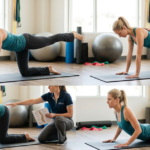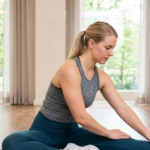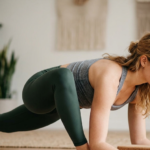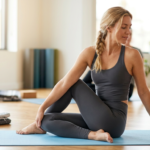
That nagging pain in your lower back when you’ve been sitting too long? It might not be your “spine” itself, but a hardworking muscle called the Quadratus Lumborum Exercises (QL stretch). In layman’s terms, it’s your primary “side-back” muscle that acts like a natural corset, stabilizing your spine every time you bend sideways or stand up. This stretch is like giving that overworked corset a gentle, much-needed loosening.
Before learning any stretch, it helps to understand how your body works as one connected system. The QL doesn’t operate in isolation. It interacts with your hips, hamstrings, and even your shoulders. For a broader foundation, review our guide on stretching exercises to see how the QL fits into your full mobility picture. You can also explore full body stretching routines that complement this targeted QL work.
Key Benefits of Stretching Your QL ✨
- Targets “Silent” Lower Back Pain: Directly addresses the deep, often one-sided ache that comes from prolonged sitting or poor posture.
- Unlocks Side-Bending Flexibility: Regularly performing this stretch is key to improving your lateral flexibility, making everyday movements like reaching into the backseat of your car feel effortless.
- Creates a More Resilient Back: A flexible QL is less prone to sudden spasms and strains, contributing to overall spinal health and resilience.
- Enhances Body Awareness and Posture: By focusing on this specific muscle, you become more mindful of your alignment, helping you stand taller and avoid slouching.
- Promotes Functional Flexibility: This isn’t just for contortionists; it builds the kind of practical flexibility you need for a pain-free, active life.
-
Improves Athletic Performance in Lateral Sports: Whether you play tennis, basketball, or soccer, side-to-side movement demands a flexible QL. Adding hips exercises to your routine will further enhance your multidirectional agility.
-
Reduces Risk of Compensatory Injuries: When the QL is tight, nearby muscles like the hip flexors and hamstrings overwork. Balance your routine with glute stretches and a standing hamstring stretch to prevent this domino effect.
How to instantly Relieve Quadratus Lumborum Pain ?
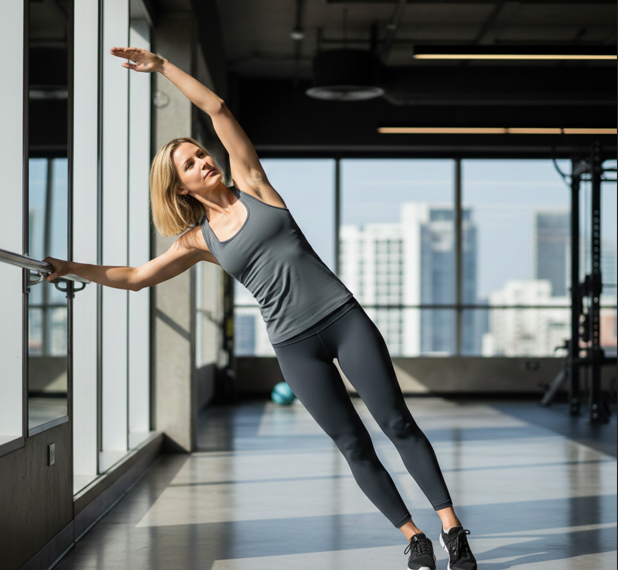
This variation uses a door frame for support, ensuring proper form and a deep, effective stretch.
- Find Your Anchor: Stand sideways in a door frame. Your feet should be hip-width apart.
- Establish Your Grip: Reach the arm closest to the frame overhead and gently hold onto the door frame for support.
- Initiate the Lean: Slowly push your hips away from the door frame, leaning your entire torso to the side. Imagine you’re trying to make a ‘C’ shape with your body. Keep both feet firmly planted.
- Hold and Breathe Deeply: Hold this position for 20-30 seconds. Focus on breathing deeply into the area of your rib cage that is stretched. You should feel a noticeable stretch from your hip to your rib cage.
- Return and Reset: Gently use your arm to pull yourself back to the starting position. Switch sides and repeat.
If you sit at a desk for most of the day, consider adding a chair workout break before this stretch. Light movement like leg swings or jumping jacks for 3-5 minutes warms up the QL and makes the stretch more effective. You can also perform a chin tuck stretch immediately after to release any tension that travels up to your neck.
Modifications:
- For Beginners: If the stretch is too intense, bend the knee on the side you’re stretching. This reduces the tension and allows you to focus on the QL more gently.
- For Advanced Users: For a deeper stretch, try crossing the leg farther from the door frame behind the other leg as you lean.
-
For Office Workers: If no door frame is available, sit tall in a chair, reach one arm overhead, grip the opposite side of the seat, and lean sideways. This seated variation works well as a chair spinal twist alternative.
-
For Athletes: Before training, use a dynamic version with slow, controlled side bends holding a light weight. Follow your workout with calf stretches and a standing quadriceps stretch for complete leg recovery.
Safety Tricks & Common Mistakes 🛡️
Safety First!
🔹 Anchor Yourself: Use the door frame for support to prevent losing your balance.
🔹 Hips Go First: Think about moving your hips sideways before your shoulders to ensure you’re stretching the QL and not just compressing your spine.
🔹 No Shoulder to Ear: Keep the arm overhead, but relax your shoulder away from your ear to avoid neck strain.
🔹 Warm Up Properly: Never stretch a cold QL. Perform warm-ups like marching in place or cat cow stretch for 3-5 minutes before starting.
🔹 Use a Mirror: Check your form to confirm you’re leaning purely sideways, not forward or backward.
❌ Mistakes to Avoid
❌ Bouncing: Never pulse or bounce in the stretch. This can trigger the muscle to tighten up defensively (the stretch reflex).
❌ Holding Your Breath: This creates tension. Deep, calm breathing is what signals the muscle to relax and release.
❌ Rounding Forward: Keep your chest open and facing forward. Don’t let your upper body collapse; you’re leaning sideways, not forward.
❌ Overstretching One Side: Your left and right QL may have different tightness levels. Don’t force symmetry. Stretch each side according to its own needs.
❌ Neglecting Opposing Muscles: Only stretching your QL without strengthening creates imbalances. Incorporate core workouts and a bird dog exercise into your weekly routine.
Who Should Do This Stretch (And Who Should Be Cautious) 👥
This stretch is IDEAL for:
- Individuals with sedentary jobs or who sit for long periods.
- People experiencing general, non-specific lower back stiffness.
- Athletes and gym-goers looking to improve their lateral movement and core flexibility.
- Anyone seeking to improve their postural awareness.
- Runners who feel side stiffness after long miles on the road or treadmill.
- Weightlifters who experience lower back tightness after squats or deadlifts.
-
Older adults looking to maintain independent mobility and balance.
Who Should Avoid It or Consult a Doctor First:
- Anyone with a diagnosed back condition like a herniated disc, spinal stenosis, or spondylolisthesis.
- Individuals experiencing sharp, shooting, or radiating pain (sciatica) down their leg.
- If you feel any pinching or nerve pain during the stretch, stop immediately.
- Those recovering from recent back surgery or injury.
- Anyone with osteoporosis should avoid deep side-bending without professional guidance.
- Those with a Trendelenburg gait pattern may need to strengthen before stretching.
If you have chronic back issues, review our comprehensive guide on exercises for lower back pain before attempting new stretches. You may also benefit from sciatic nerve stretches if your pain radiates down your leg.
Frequently Asked Questions (FAQ’s) ❓
Q1: I don’t feel it in my lower back, only in my side. Is that wrong?
That’s perfectly normal! The QL runs along the side of your lower back pain, connecting your ribs to your hip. Feeling the stretch along your waist and side is exactly the goal.
Q2: How often should I do this QL stretch?
For best results, aim to do it daily, especially if you have a desk job. Think of it like brushing your teeth – a little daily maintenance prevents bigger problems. Holding for 20-30 seconds on each side 2-3 times is a great routine.
Q3: Can a tight QL cause hip pain?
Absolutely. Since the QL attaches to your hip bone, when it’s tight, it can pull on the hip and even make it feel like one hip is higher than the other, leading to discomfort.
Q4: What’s the difference between stretching and strengthening the QL?
This is a great question! Stretching (like this exercise) helps a tight muscle relax and lengthen. Strengthening (like side planks) helps a weak muscle become more stable and supportive. For a healthy back, you often need a combination of both.
Pro Tip:
As you hold the stretch, take a slow, deep breath and consciously direct it into the stretched side of your waist. Visualize your breath expanding the space between your ribs and hip. As you exhale, imagine the tension melting away, allowing you to sink just a little deeper into the stretch for maximum release. For a comprehensive routine, you can also do other stretches for lower back pain, such as the knee-to-chest stretch or a gentle cat-cow.