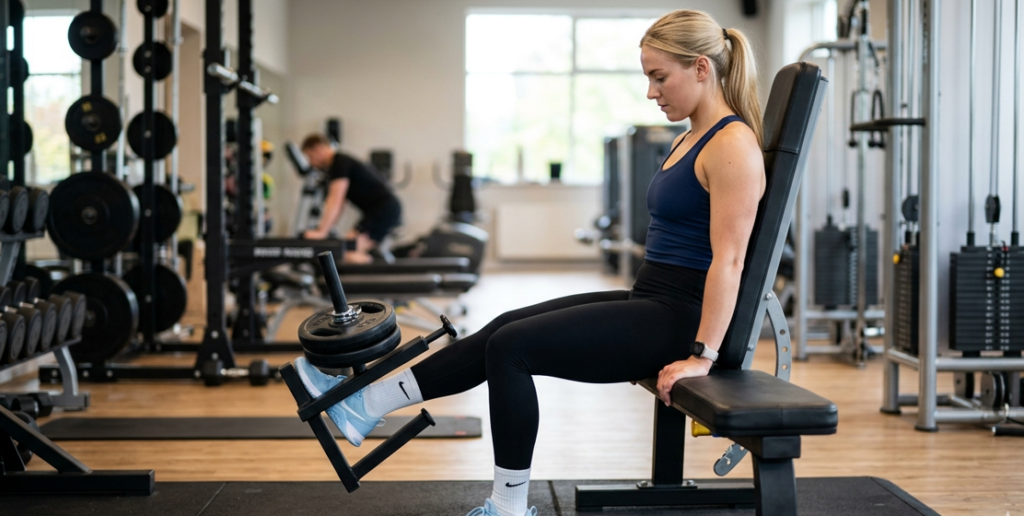
Ever feel that nagging ache in your shins after a run or even a long day of walking? 🤔 That’s your tibialis anterior the muscle running along the front of your shin bone, crying out for some TLC. Just like the strings on a guitar need the right tension to produce a beautiful note, your shin muscles need a balance of strength and flexibility to keep you moving smoothly. Whether you’re crushing a legs workout at the gym or simply going about your daily routine, these exercises are your go-to guide for building that flexibility and banishing shin pain for good 🚀. And here’s a pro tip: just as the cat cow stretch warms up your spine, these moves are the perfect warm ups for your lower legs before any activity!
✨ Key Benefits of Tibialis Exercises
Adding these moves to your routine is like giving your lower legs a superpower. Here’s why:
-
Shin Splint Slayer 💪: Regularly stretching and strengthening the tibialis anterior is one of the most effective ways to prevent and relieve the pain of shin splints (medial tibial stress syndrome) .
-
Ankle Stability Master 🏄: A strong tibialis acts like a built-in stabilizer for your ankle, improving your balance and coordination whether you’re running, walking, or just standing on one leg to put on your socks .
-
Injury Prevention Pro 🛡️: It helps prevent more serious injuries like tendonitis and stress fractures by ensuring your foot and ankle move correctly, especially when you’re on uneven terrain .
-
Better Foot Control 👣: This muscle is key for dorsiflexion pulling your toes up toward your shin. Strengthening it gives you better control over your foot’s movement, making every step more efficient .
-
Balance for Better Movement ⚖️: Having a strong, flexible tibialis creates muscular balance with your calf muscles, which is crucial for overall leg health and athletic performance .
📝 Step-by-Step Stretch & Exercise Instructions
Here are three effective ways to give your tibialis some love, ranging from a gentle stretch to a strengthening challenge.
1. The Seated Shin Stretch (The “Desk-Friendly” Savior)
This is a fantastic, low-impact stretch you can do almost anywhere .
-
How to Do It:
-
Sit upright in a chair with your feet flat on the floor.
-
Cross your right ankle over your left knee (like a figure-four position).
-
Use your left hand to gently grab the toes of your right foot and pull them toward your shin.
-
You should feel a pleasant stretch along the front of your lower leg.
-
Hold for 30 seconds, then switch to the other side. Repeat 2-3 times per leg .
-
-
Modifications:
-
Beginner: Use a towel or strap looped around your foot to pull your toes up if you have trouble reaching.
-
Advanced: For a deeper stretch, actively try to point your toes downward while gently resisting the movement with your hand.
-
2. The “Toe Drag” Standing Stretch
This stretch uses body weight and gravity to target the shin muscles .
-
How to Do It:
-
Stand up straight. You can hold onto a wall or chair for balance if needed .
-
Place your left foot slightly behind your right foot.
-
Plant the toes of your left foot firmly on the ground, with the heel lifted.
-
Gently push your left knee forward, keeping your toes planted, until you feel a stretch in your left shin .
-
Hold for 15-30 seconds, and then repeat with the other leg .
-
-
Modifications:
-
Beginner: Perform this stretch while seated, placing your foot behind you just like the standing version .
-
Advanced: Perform the stretch without holding onto anything for balance.
-
3. Tibialis Raises (The Strengthener)
This exercise moves from stretching to actively building strength in the tibialis anterior .
-
How to Do It:
-
Stand with your back against a wall and your feet shoulder-width apart .
-
Keeping your heels planted firmly on the ground, slowly lift your toes and the balls of your feet up toward the ceiling .
-
Hold for a second at the top, feeling the contraction in your shins.
-
Slowly lower your toes back down to the ground.
-
Aim for 2-3 sets of 15-20 repetitions .
-
-
Modifications:
-
Beginner: Perform this exercise seated to reduce the load.
-
Advanced: Place a small weight (like a dumbbell or a bag of rice) on top of your feet to add resistance.
-
🧠 Quick Reference Table
| Muscle Group Targeted | Difficulty Level |
|---|---|
| Tibialis Anterior, Tibialis Posterior | Beginner to Intermediate |
⚠️ Safety First: Common Mistakes & Safety Tricks
❌ Common Mistakes to Avoid
-
Overdoing It: Pushing through sharp pain is a major no-no. A stretch should feel like a gentle pull, not a stabbing sensation. This is how you turn a minor tightness into a real injury .
-
Neglecting Your Calves: Tight calves can contribute to shin pain. Only focusing on the front of your leg creates imbalance. Stretch both for the best results .
-
Rushing the Movement: In strengthening exercises like tibialis raises, using momentum instead of muscle control reduces effectiveness. Focus on a slow, controlled lowering phase .
✅ Safety Tricks
-
Listen to the 5/10 Pain Rule: Pain should not exceed 5 out of 10 during these exercises. If you’re in significant pain, stop and consult a professional .
-
Start Slow: Especially if you’re new to these exercises, start with lower reps and gentle intensity. Give your muscles time to adapt .
-
Supportive Footwear is Key: Wearing proper shoes with good support can significantly reduce the strain on your tibialis muscles during daily activities .
❓ FAQs
Q: Are shin splints the same as tibialis muscle pain?
A: Shin splints (medial tibial stress syndrome) are often caused by overuse of the tibialis anterior muscle, which leads to inflammation and pain along the shin bone . Yes, this is usually the same issue.
Q: Can tibialis exercises help with flat feet?
A: Yes, strengthening the tibialis posterior muscle, which helps support the arch of your foot, can be very beneficial for individuals with flat feet .
Q: Can I stretch my shins if I have a stress fracture?
A: No. If you have severe, localized pain that worsens with activity, it could be a stress fracture. In that case, stop these exercises and see a medical professional immediately .
💎 Final Tip: Consistency Over Intensity
Here’s the golden rule that separates those who see results from those who stay stuck: consistency trumps intensity every single time 🏆.
Think of your tibialis muscles like a campfire you don’t build a roaring blaze by dumping a whole log on at once. Instead, you add small sticks consistently to nurture a steady, lasting flame. The same applies here! Doing 5 minutes of tibialis exercises daily as part of your warm-up or cool-down will yield far better results than a grueling 30-minute session once a week that leaves you sore for days.
Here’s your simple daily action plan:
-
🌅 Morning: 1 minute of seated shin stretches while sipping your coffee
-
🏃 Pre-Workout: 2 minutes of dynamic cat-cow ankle flows as part of your warm-up
-
🌙 Evening: 1 minute of toe drag stretches while watching TV
Make these exercises a non-negotiable part of your daily rhythm, just like brushing your teeth. Your shins will thank you with pain-free runs, happier walks, and that glorious feeling of flexibility that makes every step feel effortless. Remember, it’s not about being perfect it’s about being present and consistent. You’ve got this! 💪✨