

Double Leg Calf Raise
Strengthening your calf muscles: Best exercise for Calves
The double leg calf raise is a powerhouse move that targets your gastrocnemius and soleus muscles, helping build strength, endurance, and flexibility in your lower legs. Perfect for athletes, runners, or anyone looking to tone their calves!
If you’ve ever experienced shin splints, Achilles tightness, or simply wanted stronger, more defined calves, the double leg calf raise is your go-to exercise. Your calves are responsible for every step you take – they propel you forward when you walk, absorb impact when you run, and stabilize your ankles during balance activities. Weak calves can lead to a cascade of issues, from flat feet to knee pain and even lower back strain.
Strong calves aren’t just about aesthetics – they’re essential for injury prevention and athletic performance. When your calves are strong, they protect your Achilles tendon from overuse injuries, improve your ability to perform explosive movements like jump squats and burpees, and enhance your stability during single leg RDL and reverse lunges. They also play a crucial role in maintaining proper dorsiflexion, which is essential for deep squats and lunges.
Regular calf strengthening also complements your stretching routine. Flexible calves allow for better range of motion, while strong calves provide the stability needed to support your knees and hips during activities like kettlebell workouts, leg workouts, and push exercises. For a complete lower leg care routine, combine this exercise with calf stretches, gastroc stretch, and standing soleus stretch.
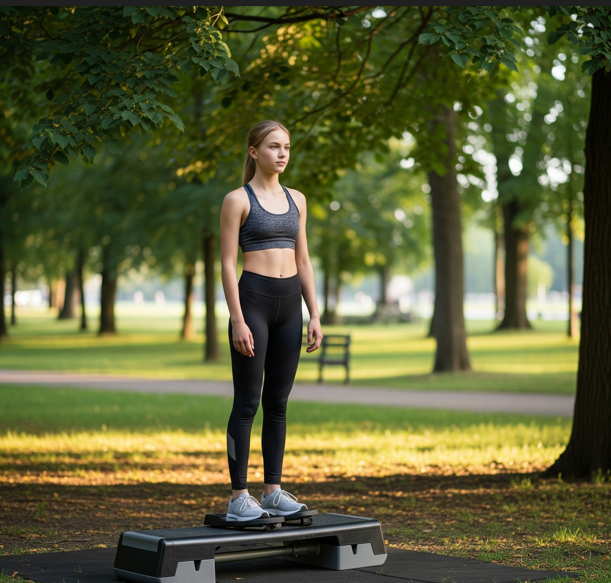
Double Leg Calf Stretching
💪 Key Benefits
✅Boosts Calf Strength – Builds muscle for better jumps, sprints, and stability.
✅Enhances Flexibility – Promotes a full range of motion in the ankles.
✅Improves Balance & Posture – Stronger calves = better alignment.
✅Supports Injury Prevention – Reduces strain on Achilles and knees.
✅Quick & Effective – No equipment needed for a great lower-leg workout.
✅ Improves Jumping Power – Essential for explosive movements like jump squats and burpees
✅ Enhances Running Efficiency – Strong calves provide more propulsion with each stride
✅ Reduces Risk of Shin Splints – Balanced calf strength prevents overuse injuries
✅ Supports Ankle Stability – Prevents rolls and sprains during dynamic activities
✅ Complements Flexibility Work – Strong, flexible calves improve overall lower body function
🧠 Anatomy Deep Dive: The Muscles of the Calf
The double leg calf raise targets two primary muscles that work together to move the ankle:
| Muscle | Location | Function | Why It Gets Weak |
|---|---|---|---|
| Gastrocnemius | Superficial, two-headed muscle at the back of the lower leg | Plantar flexes the ankle; crosses the knee joint | Prolonged sitting, lack of explosive movement |
| Soleus | Deep to the gastrocnemius, runs from below the knee to the heel | Plantar flexes the ankle; does not cross the knee | Sedentary lifestyle, limited standing activity |
| Achilles Tendon | Connects both calf muscles to the heel bone | Transmits force for walking, running, and jumping | Overuse, lack of eccentric strengthening |
🧠 Muscles Worked in the Double Leg Calf Raise
The double leg calf raise targets several important muscles in the lower leg:
Gastrocnemius – the large, two-headed muscle at the back of the calf responsible for explosive power
Soleus – the deep, flat muscle beneath the gastrocnemius that provides endurance
Achilles Tendon – the strong tendon connecting calf muscles to the heel bone
Plantaris – a small muscle that assists in ankle and knee flexion
Tibialis Posterior – a deep muscle that supports the arch of the foot
If your calves feel tight, you can also include calf stretches, gastroc stretch, and standing soleus stretch before or after the exercise to release tension and improve overall lower leg mobility.
👥 Who Should Do the Double Leg Calf Raise
This exercise is ideal for:
Runners and sprinters – builds explosive power and endurance
Basketball and volleyball players – essential for jumping and landing
Hikers and trail runners – prepares calves for uneven terrain
Dancers – develops strength for relevé and jumps
Weightlifters – supports stability during kettlebell workouts, reverse lunges, and single leg RDL
Older adults – maintains balance and prevents falls
Anyone recovering from ankle or foot injuries – gentle strengthening restores function
Desk workers – counteracts the effects of prolonged sitting
Anyone with flat feet or plantar fasciitis – strengthens arch-supporting muscles
Anyone looking to improve lower body aesthetics – defines and tones calf muscles
It works especially well when combined with calf stretches, gastroc stretch, and standing soleus stretch for complete lower leg care.
How to Do Double Leg Calf Raise🚶♀️➡️🏋️♂️
1️⃣ Stand Tall
Place feet hip-width apart near a wall or chair for balance.
2️⃣ Engage Core
Keep your posture straight, shoulders relaxed.
3️⃣ Lift Heels
Press through the balls of your feet, raising heels as high as possible.
4️⃣ Pause at the Top
Hold for 1-2 seconds for maximum muscle engagement.
5️⃣ Lower slowly
Control the descent to avoid jarring your joints.
6️⃣ Repeat
Aim for 10-15 reps per set, 2-3 sets.
🔥 Modifications:
- Beginner: Use a chair for support.
- Advanced: Try single-leg raises or add weights (dumbbells, backpack)
Quick Reference Table
| Exercise | Muscles Worked | Difficulty Level |
|---|---|---|
| Double Leg Calf Raise | Gastrocnemius, soleus, Achilles tendon, plantaris, tibialis posterior | Easy to Moderate |
| Single Leg Calf Raise | Gastrocnemius, soleus, Achilles tendon, plantaris, tibialis posterior, intrinsic foot muscles | Intermediate to Advanced |
| Elevated Calf Raise | Gastrocnemius, soleus, Achilles tendon | Moderate |
| Weighted Calf Raise | Gastrocnemius, soleus, Achilles tendon | Moderate to Advanced |
| Bent-Knee Calf Raise | Soleus (primary), gastrocnemius (secondary) | Easy to Moderate |
Safety Check
✅ Warm Up First – Walk or stretch calves before starting
✅ Controlled Movement – Avoid bouncing; slow reps = better results
✅ Even Weight Distribution – Don’t roll outward or inward on feet
✅ Full Range of Motion – Lift heels high; lower fully for flexibility benefits
✅ Breathe Throughout – Exhale on the lift, inhale on the descent
✅ Use Support When Needed – A wall or chair prevents balance issues
❌ Common Mistakes
🚫 Rushing the Reps – Quality over speed for muscle growth
🚫 Not Going Full Range – Lift heels high for full flexibility benefits
🚫 Leaning Forward – Keep your torso upright to avoid back strain
🚫 Locking Knees – Maintain a slight bend to protect the joint
🚫 Holding Breath – Breathe steadily to oxygenate muscles
🚫 Skipping Warm-up – Cold calves are more prone to strain
FAQ
How often should I do double leg calf raises?
For strength building, aim for 2-3 times per week with 2-3 sets of 10-15 reps. For endurance and maintenance, you can perform them daily with lower intensity. Incorporate into your leg workouts and warm-ups for best results.
Can calf raises help with shin splints?
Yes. Strengthening the calves helps balance the lower leg muscles, reducing the strain on the shin bone. Combine with stretches for shin splints and calf stretches for comprehensive relief.
Should I do calf raises on flat ground or a step?
Both are beneficial. Flat ground is great for beginners and focuses on strength. On a step increases range of motion, stretching the calf at the bottom and allowing for deeper muscle activation. Progress to a step as your strength improves.
How do calf raises relate to ankle stability?
Strong calves are essential for ankle stability. They help control the position of your foot during walking, running, and landing from jumps. This is especially important for exercises like single leg RDL, reverse lunges, and jump squats.
Can I do calf raises if I have Achilles tendonitis?
Consult a healthcare provider first. Gentle, pain-free calf raises can sometimes aid recovery by strengthening the calf muscles and reducing strain on the tendon. Start with double leg raises on flat ground, and avoid pushing through pain. Pair with gastroc stretch and standing soleus stretch for flexibility
Quick Tip:
Whether you’re chasing flexibility, strength, or just stronger-looking calves, the double-leg calf raise is a must-do. Add it to your routine 2-3x a week for best results! 🎯🔥